
La soberanía territorial de la Argentina no solo se disputa en el Atlántico Sur; hoy se pierde hectárea a hectárea en el continente bajo el amparo de decretos y modificaciones legislativas.
Un reciente informe publicado por El Ciudadano, expone los resultados de una investigación producida por el Observatorio de Tierras. Se trata de un organismo integrado por investigadores de la UBA y el CONICET, que ha puesto cifras exactas a una preocupación que se viene denunciando sistemáticamente: la ocupación silenciosa de áreas estratégicas de la República Argentina por capitales extranjeros.
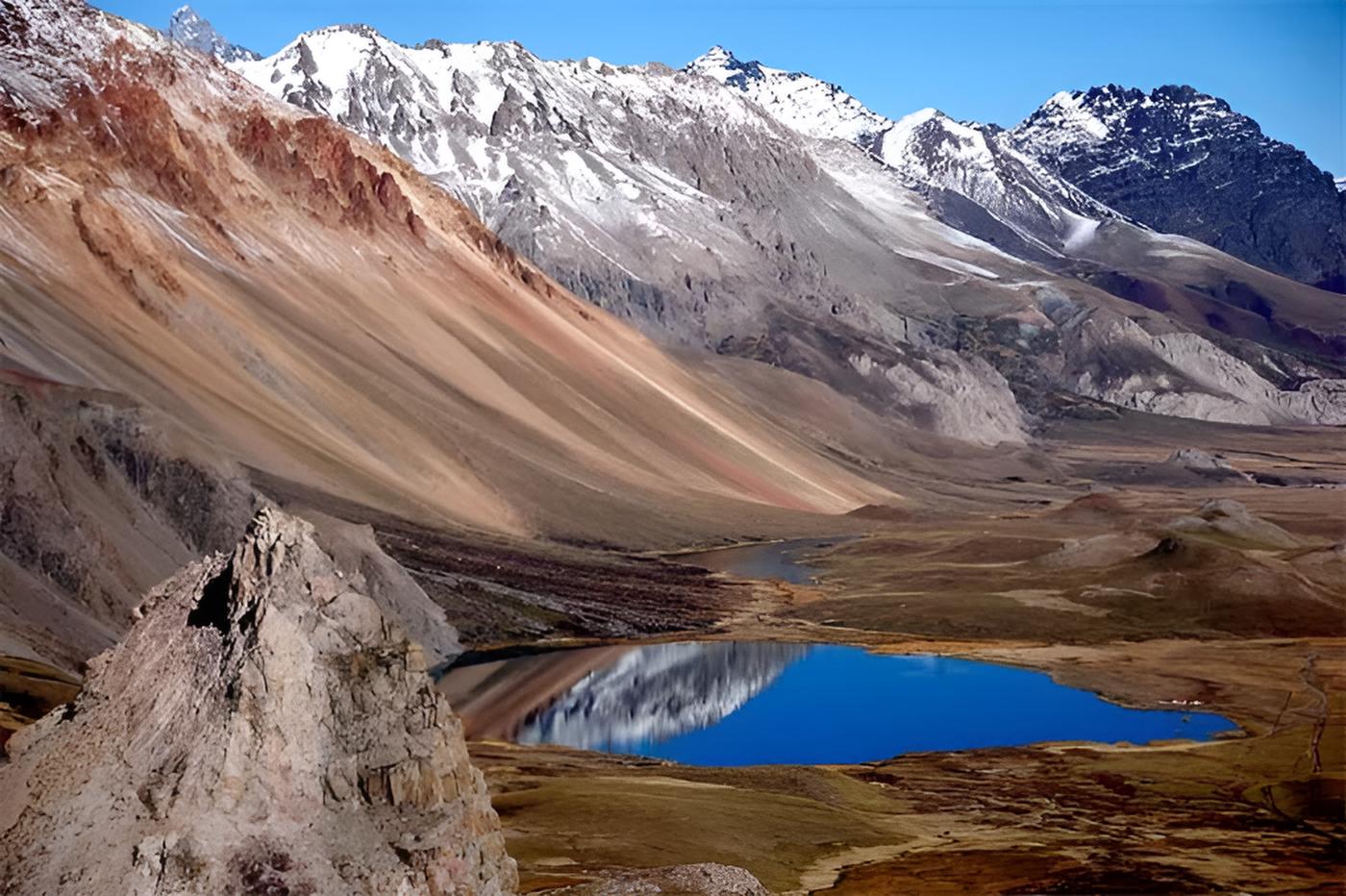
En el departamento Malargüe de Mendoza, la extranjerización es del 15%
El dato es escalofriante: 13 millones de hectáreas —una superficie equivalente a todo el territorio de Inglaterra— pertenecen hoy a firmas o ciudadanos extranjeros. Sin embargo, el análisis técnico de los investigadores Julieta Caggiano y Matías Oberlin revela que el promedio nacional del 5% es apenas una máscara que oculta realidades locales críticas.
La trampa de los promedios y los "puntos calientes"
Mientras el discurso oficial sostiene que se cumple con la Ley de Tierras (26.737) al no superar el 15% a nivel provincial, el mapa interactivo del Conicet demuestra que el control territorial está concentrado en nodos de alto valor geopolítico.
- Zonas de Sacrificio y Recursos: En Malargüe (Mendoza), la extranjerización del 15% coincide milimétricamente con el impulso de 18 nuevos proyectos mineros.
- Récords de Ocupación: Departamentos como Lacar (Neuquén), General Lamadrid (La Rioja), y Molinos (Salta) ya tienen más del 50% de su suelo en manos extranjeras.
- El Litoral en la mira: En Santa Fe, el departamento de Garay alcanza un 16%, superando el límite legal, mientras que en Entre Ríos, distritos como La Paz y Gualeguay duplican el promedio nacional.
El agua y los minerales: El botín de la "Libertad"
La investigación subraya que la compra de tierras no es azarosa. Se concentra en las nacientes de ríos, acuíferos y áreas de frontera. Localidades estratégicas sobre el río Paraná, como Iguazú, Ituzaingó y Campana, superan el 30% de extranjerización, poniendo en jaque el control estatal sobre el agua dulce y la logística fluvial.
Esta situación se agrava con el contexto político actual. El gobierno de Javier Milei, tras el freno judicial al DNU 70/2023 —impulsado por el CECIM La Plata—, insiste en modificar la Ley de Tierras a través del "Consejo de Mayo", mientras la Corte Suprema de Justicia de la Nación lentifica una decisión que lleve a refrendar la inconstitucionalidad del artículo 154 de ese DNU.
El objetivo parece claro: habilitar la producción en zonas arrasadas por incendios forestales intencionales y facilitar la transferencia de bienes comunes no reproducibles.
Quiénes son los dueños
El podio de la extranjerización lo encabeza Estados Unidos con 2.7 millones de hectáreas (una superficie mayor a la provincia de Tucumán), seguido por Italia y España. Esta concentración de tierras en manos estadounidenses cobra una dimensión preocupante ante el renovado impulso de la Doctrina Monroe por parte de la administración de Donald Trump, que busca asegurar el control de recursos naturales en América Latina.
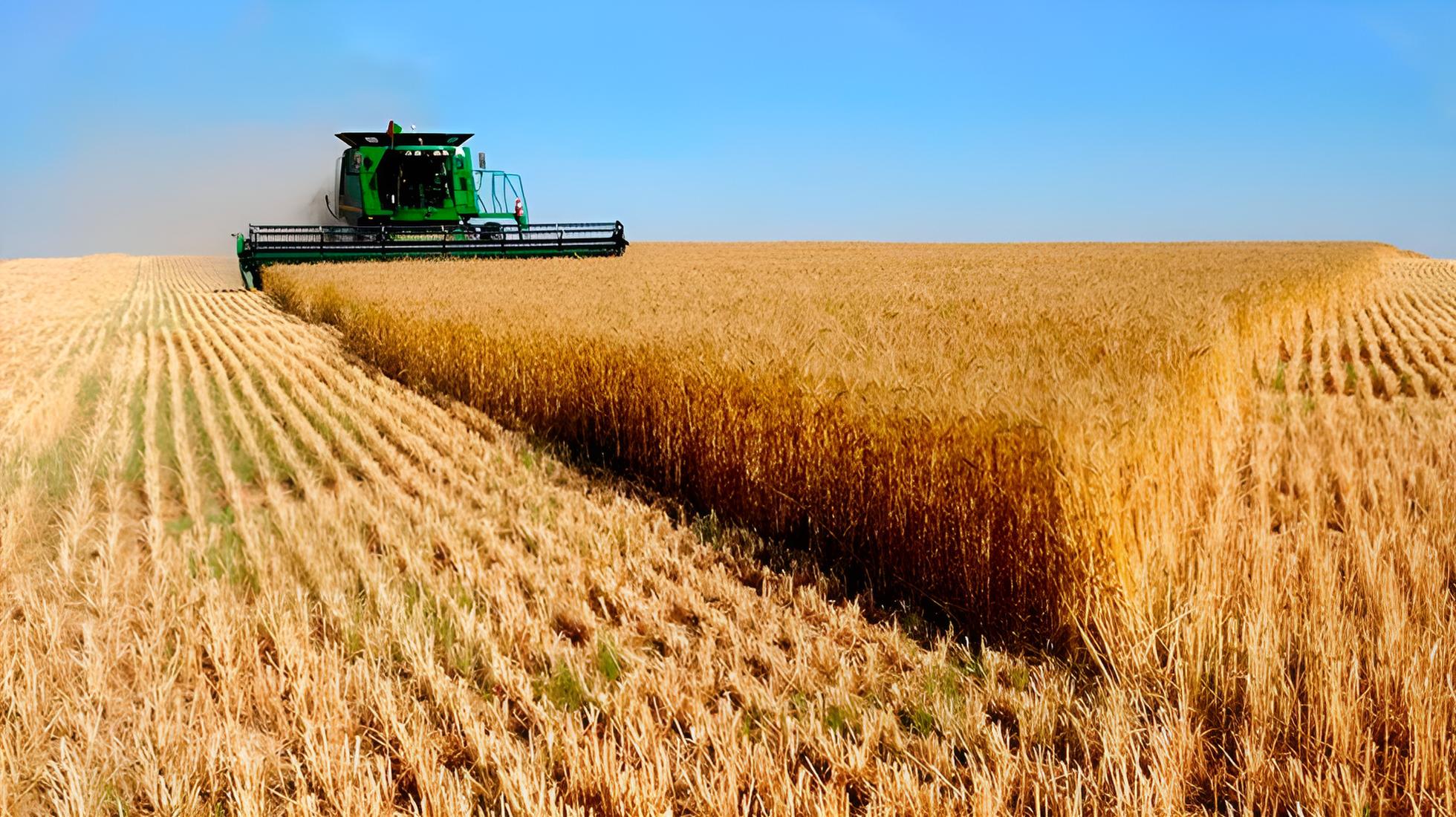
En Santa Fe, la extranjerización de tierras en el departamento de Garay alcanza un 16%.
Un proceso de ocupación bajo "pseudo legislación"
Como bien lo hemos planteado desde Agenda Malvinas, este no es un fenómeno nuevo, sino la profundización de un quiebre iniciado en los años 90. El informe del Conicet recuerda cómo el gobierno de Carlos Menem vulneró el decreto 15.385 de 1944 —que protegía las zonas de frontera— permitiendo ventas irregulares y triangulaciones que beneficiaron a magnates como Joe Lewis en Lago Escondido o al grupo Benetton en la Patagonia.
Hoy, la combinación de incendios en la Comarca Andina y la desregulación normativa configura un escenario donde el Estado abandona su rol de control. La pregunta que queda flotando, y que este mapa científico responde con crudeza, es: ¿quién decide realmente sobre el destino de nuestros recursos si el suelo ya no nos pertenece?
La extranjerización no es solo una cuestión de títulos de propiedad; es la pérdida de la capacidad de decidir sobre el agua que bebemos y la energía que producimos. De esta manera bajo el lema de la inversión, se puso en marcha una nueva forma de colonialismo territorial.
Tags
Otras noticias de Nacionales
MARCHA ATRÁS EN LA CORTE: Dictó una cautelar urgente y restituyó los límites a la venta de tierras a extranjeros
El Gobierno argentino formalizará su presentación ante el Tribunal del Mar por Sea Lion
Washington desembarca una base regional antinarcóticos en Argentina


