
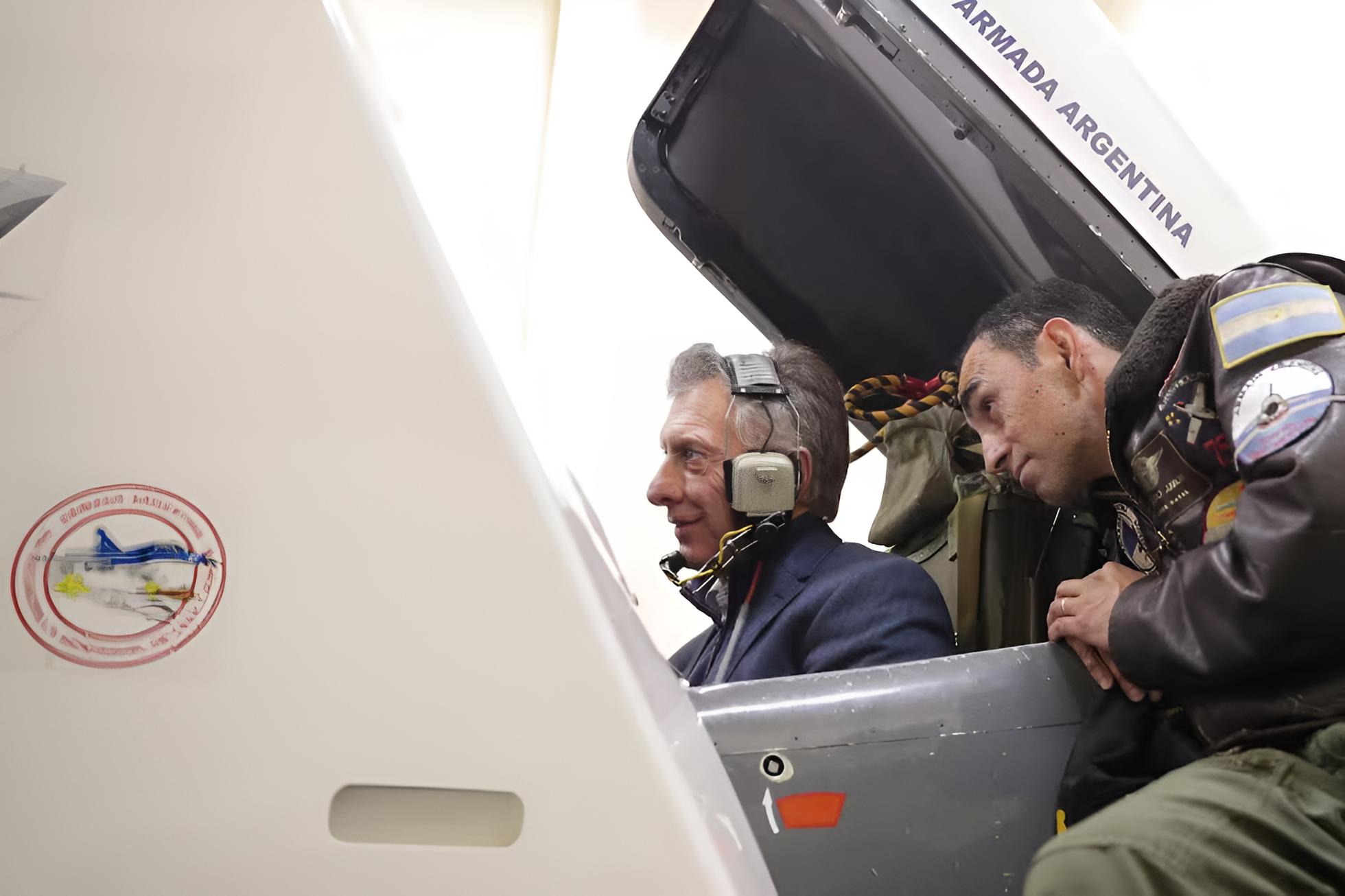
Mientras la cúpula militar británica despliega su sistema Sky Sabre y declara "alerta máxima" en el Atlántico Sur, la Armada Argentina termina de sepultar una de las operaciones más escandalosas de su historia reciente. El Estado Nacional ha decidido dar de baja formalmente los cinco aviones Super Étendard Modernisé (SEM) adquiridos durante la gestión de Mauricio Macri, confirmando que los 13 millones de euros invertidos fueron, en la práctica, un gasto sin retorno por aeronaves que jamás estuvieron en condiciones de despegar.
Una compra contra los informes técnicos
La auditoría de la Sindicatura General de la Nación (SIGEN) de 2022 ya había sido lapidaria. En su informe reveló que el entonces Ministerio de Defensa, bajo la titularidad de Oscar Aguad, avanzó con la compra en 2017 desatendiendo las advertencias de la propia Armada Argentina. Los informes preliminares ya señalaban que el potencial de las aeronaves era "débil" y que la propia Marina Nacional francesa ya las había retirado de servicio por su obsolescencia.
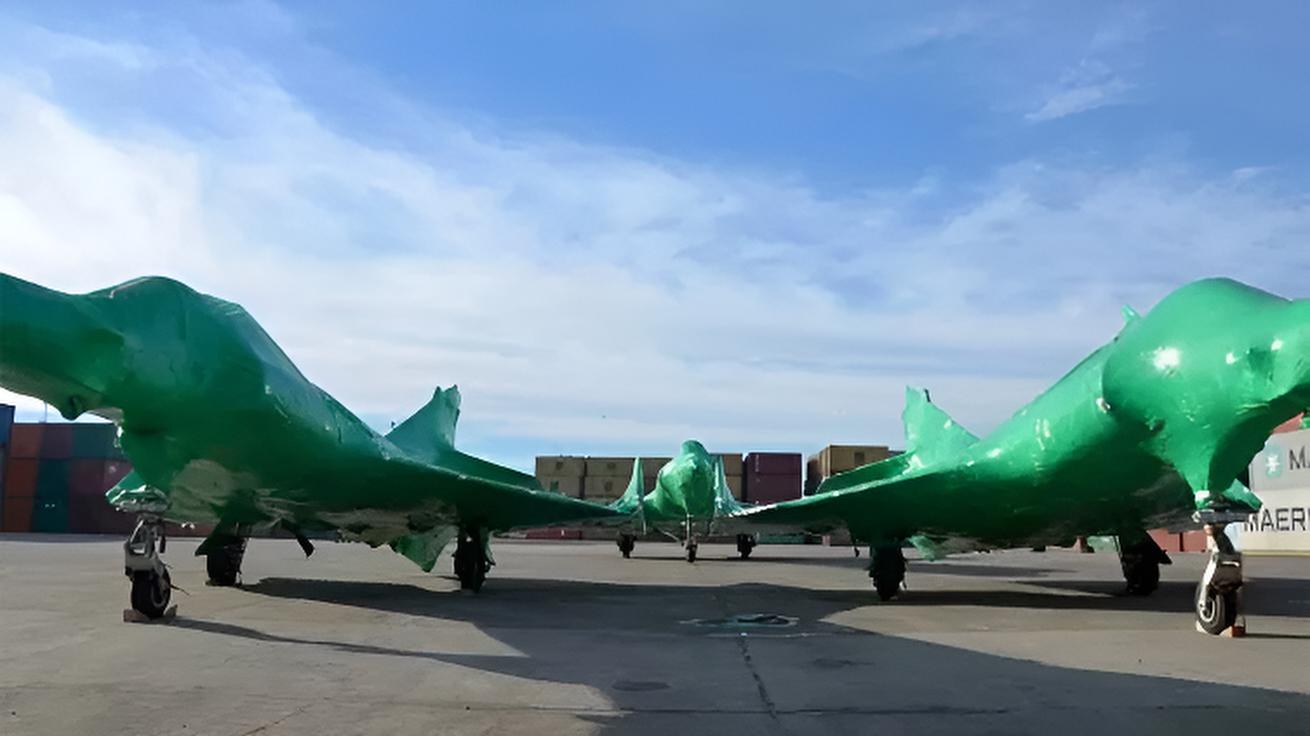
El objetivo original era que estas naves custodiaran la cumbre del G-20 en 2018, pero la realidad fue muy distinta: los aviones arribaron al país en mayo de 2019, medio año después de la cumbre para la que supuestamente se necesitaban. Ahora, a la fecha de su baja; las aeronaves ya suman siete años en el país, sin prestar servicio debido a la falta de repuestos críticos, como los componentes de los asientos eyectables. Aunque una de las falencias más graves detectadas por la SIGEN, fue la omisión de que varios repuestos esenciales tienen origen inglés, lo que hizo imposible su adquisición debido al embargo militar que Londres mantiene sobre Argentina desde 1982.
El portazo final de Francia
Los intentos por rescatar la inversión también fracasaron. Según trascendió, durante el gobierno de Alberto Fernández se solicitó formalmente a Francia gestiones para obtener las piezas faltantes. La respuesta del Ministerio de Defensa francés fue definitiva: tras evaluar todas las posibilidades, informaron que no era posible poner los aviones en condiciones de vuelo.
Contraste Geopolítico: Escudos vs. Chatarra
Este escándalo adquiere una dimensión mayor cuando se cruza con la actualidad en las Islas Malvinas. Mientras el jefe de la RAF, Sir Harv Smyth, presume de una defensa instalada en el territorio argentino usurpado, el despliegue británico actual exhibe una superioridad tecnológica abrumadora en sus tres componentes:
· Poder Aéreo (RAF): El Reino Unido mantiene cuatro cazas Eurofighter Typhoon en alerta de reacción rápida (QRA) las 24 horas. Estas aeronaves cuentan con misiles aire-aire de largo alcance y están respaldadas por aviones de transporte C-130 Hércules operando desde la base de Mount Pleasant.
· Defensa Terrestre: El archipiélago está custodiado por unos 1,000 soldados de infantería ligera. La pieza central es el sistema de misiles Sky Sabre, valorado en £250 millones, capaz de interceptar simultáneamente aviones de combate, drones y bombas inteligentes guiadas por láser a una distancia de 25 kilómetros.
· Poder Naval (Royal Navy): La presencia marítima incluye permanentemente un patrullero oceánico, buques de apoyo y la capacidad de desplegar de forma intermitente destructores, fragatas o submarinos nucleares de las clases Trafalgar o Astute equipados con misiles Tomahawk.
La operación no solo incluyó los 12,5 millones de euros por el material, sino que el Estado argentino asumió todos los gastos de retiro y transporte, totalizando una cifra cercana a los 14 millones de euros por aviones que terminaron siendo piezas de museo antes de tocar la pista.
Lecciones de una defensa robada
El episodio con los Super Étendard quedará como un monumento a la desinversión, la mala praxis administrativa y a la estafa. En un contexto donde el Atlántico Sur vuelve a ser un foco de tensión global, la Argentina se encuentra dando de baja "chatarra" millonaria mientras los países vecinos y los okupas de Malvinas, refuerzan sus fronteras con tecnología del siglo XXI.
Tags
Otras noticias de Nacionales
EE. UU. admitió preocupación por la «Ley Malvinas» y explicó porque disolver el Comité de Descolonización
VOLANTAZO Y TRAMPA PARLAMENTARIA: Diputados restituyó la Ley de Tierras para salvar el DNU 70/23
TIERRA DEL FUEGO. LA PRINCIPAL DAMNIFICADA DE LA PESCA ILEGAL EN MALVINAS Y LA POLÍTICA NACIONAL


