La historia oficial ha mantenido durante casi dos siglos un vacío sobre la verdadera identidad del primer argentino nacido en el archipiélago. Nuevos registros documentales no solo corrigen el nombre y el origen de aquel primer habitante, sino que fortalecen el argumento argentino sobre la ocupación efectiva y civil de las islas antes de la usurpación británica de 1833.
Durante décadas, el nombre de Malvina Vernet (hija del Comandante Político y Militar Luis Vernet) fue el símbolo del arraigo argentino en nuestras islas. Sin embargo, la historia —esa construcción muchas veces selectiva— ha comenzado a revelar sus capas más profundas. Según una reciente investigación difundida por Canal 26, el primer registro de un nacimiento argentino en el territorio malvinero no pertenece a la alcurnia de los Vernet, sino a un niño afrodescendiente llamado Daniel.
Una sociedad diversa y establecida
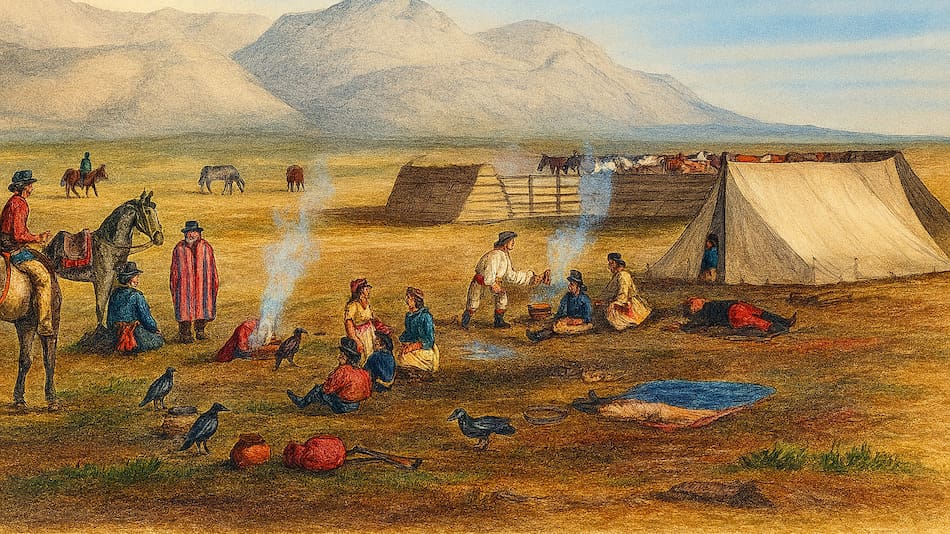
El 10 de diciembre de 1829, apenas unos meses después de la creación de la Comandancia Política y Militar de las Islas Malvinas, Puerto Soledad fue testigo de un hito: el nacimiento de Daniel. Su madre, Francisca, era una mujer afro-rioplatense que llegó al archipiélago como esclava liberta en busca de un futuro en la nueva colonia.
Este dato, rescatado de censos y notas administrativas de la época, es de una potencia política innegable. Demuestra que Malvinas no era simplemente una guarnición militar o un puesto de avanzada temporal; era una sociedad plural, civil y en crecimiento. En ella convivían gauchos, marineros, mujeres europeas y trabajadores rioplatenses de origen africano, todos bajo la jurisdicción de las Provincias Unidas.
El impacto en el reclamo de soberanía
¿Por qué es vital rescatar la figura de Daniel y su familia para la causa Malvinas?
1. Continuidad Demográfica: Los nacimientos son la prueba irrefutable de un proyecto de vida permanente. El nacimiento de Daniel, anterior al de Malvina Vernet, extiende el cronograma de arraigo civil argentino.
2. Identidad Real: Argentina no solo reclamaba soberanía desde los escritorios en Buenos Aires; lo hacía a través del trabajo y la vida de su pueblo más humilde. La presencia de la comunidad afro-rioplatense en las islas ratifica que el archipiélago era parte integral del tejido social de la nación en formación.
3. Verdad Diplomática: En los foros internacionales, la Argentina sostiene que había una población estable expulsada por la fuerza en 1833. Incorporar a Daniel al relato oficial desarticula la narrativa británica que suele minimizar la complejidad de la sociedad argentina pre-existente.
"La recuperación de este dato no le resta mérito a la familia Vernet, pero completa el cuadro de la Argentina real que habitó el archipiélago: una comunidad diversa y profundamente arraigada."
Desplazar el mito para abrazar la historia
La invisibilización de Daniel durante casi 200 años responde a una tendencia histórica de "blanquear" los hitos nacionales, priorizando apellidos ilustres sobre las clases populares. Sin embargo, en el siglo XXI, la soberanía también se defiende con justicia histórica.
Reconocer a este niño afrodescendiente como el primer nacido en nuestras islas es un acto de honestidad intelectual que fortalece nuestra posición ante el mundo: Malvinas fue, es y será parte de la identidad de todo el pueblo argentino, sin distinciones de origen ni de clase.
Fuente:
Canal 26 - Investigación sobre registros históricos de Puerto Soledad.
Tags
Otras noticias de Malvinas
La prensa británica describe a Malvinas como el nuevo Dubái del Atlántico Sur
Gran Bretaña acelera la ingeniería financiera para el robo petrolero en Malvinas
Los usurpadores de Malvinas se quejan porque supuestamente Argentina no los deja saquear en paz