
Un abismo de concepción estratégica separa hoy las políticas antárticas de Chile y Argentina. Mientras el vecino país aprueba de manera unánime su moderno Plan Estratégico Antártico 2026-2030, Argentina continúa lidiando con las secuelas de lo que el ex presidente del Instituto Fueguino de Turismo, Daniel Leguizamón, diagnosticara como "décadas de continuismo castrense" en el remoto continente que sólo generaron "atraso y decadencia".
El plan chileno, aprobado recientemente por su Consejo de Política Antártica, no es una mera declaración de intenciones. Es una hoja de ruta concreta que consolida a la región de Magallanes como eje logístico y científico, "la puerta de entrada" indiscutible al continente blanco.

Su solvencia y previsibilidad se evidencian en proyectos clave: el avance del Centro Antártico Internacional, mejoras en el Aeródromo Teniente Marsh y estudios para un cable de fibra óptica. Pero su modernidad trasciende la infraestructura: incluye formalmente al Ministerio de la Mujer y la Equidad de Género y al de Educación, transversalizando enfoques de género y conocimiento desde las aulas.
Esta planificación sistémica explica, según Leguizamón, por qué Punta Arenas opera regularmente con 22 países y organizaciones internacionales, con una aviación privada consolidada como Aerovías DAP, mientras Ushuaia recibe apenas operaciones esporádicas.
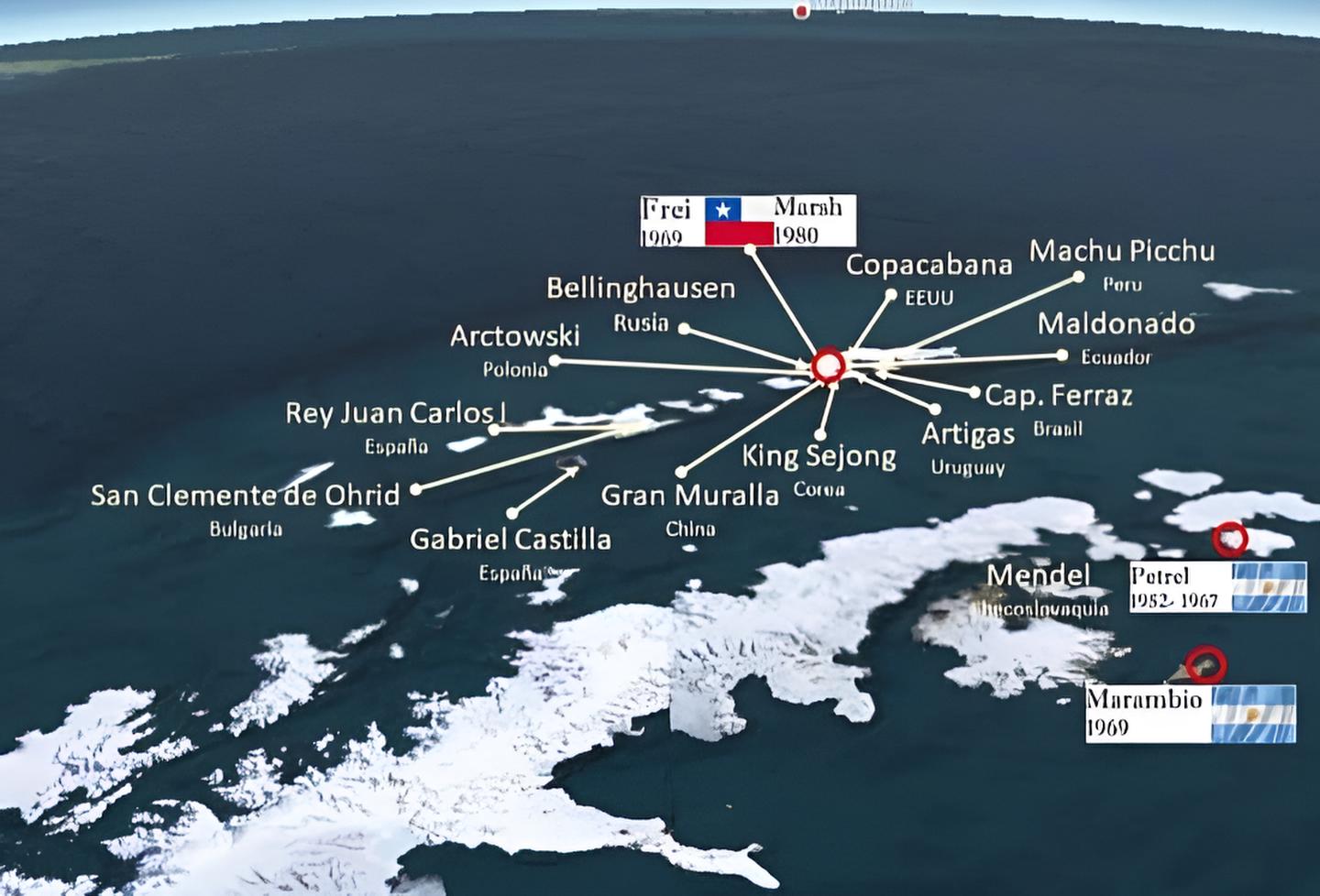
El ex funcionario fueguino es contundente: Chile desarrolló soluciones operativas eficientes para captar la lucrativa actividad antártica internacional. Argentina, en cambio, apostó históricamente por "la opción castrense", negándole al sector privado y a Ushuaia un papel trascendental.
En este contexto, noticias como el retiro de buques científicos estadounidenses de Punta Arenas, si bien abren una ventana de oportunidad, son aún muy incipientes y lentas frente a la maquinaria planificada chilena. En Ushuaia hay entusiasmo y algunas iniciativas privadas, pero destronar a Punta Arenas como puerta de entrada al continente blanco en materia logística y científica, es un anhelo demasiado lejano.
El núcleo del problema argentino, según los análisis, radica en los intereses corporativos de las Fuerzas Armadas, que durante medio siglo bloquearon una base a nivel del mar por disputas internas, imponiendo una "exclusividad de uso y operación injustificada y retrógrada". Recién ahora, y a regañadientes, se vislumbra una incipiente apertura.
Chile avanza con una estrategia de Estado moderna, interministerial y de largo plazo, afianzando su posición como verdadera puerta de entrada antártica. Argentina, y especialmente la provincia de Tierra del Fuego; entrampada en viejas lógicas corporativas, debería persistir en quitarle poder de decisión y de veto a las fuerzas armadas sobre la Antártida si pretende, alguna vez, capitalizar el extraordinario potencial de Ushuaia.
El reloj antártico sigue corriendo, y marca horarios diferentes a cada lado de la cordillera.
Tags
Otras noticias de Antártida
El Rompehielos Irízar zarpó de Ushuaia para la etapa final de la Campaña Antártica
Chile fortalece su presencia en la Antártida mientras Argentina retrocede
122 años de Antártida Argentina: Entre el hito soberano de la logística fueguina y el acecho del Comando Sur


