
La Armada chilena desplegó una operación logística sin precedentes para construir un nuevo muelle y recuperar la pista aérea en Bahía Fildes, en una clara señal de su política de Estado antártica, que contrasta con la pasividad argentina y genera interrogantes sobre la alianza de Milei con Estados Unidos en desmedro del reclamo de Malvinas.
Para ello, el remolcador ATF-65 Janequeo de la Armada de Chile transportó más de 50 toneladas de materiales para edificar un muelle y recuperar la pista del Aeródromo Teniente Marsh en la isla Rey Jorge, una infraestructura crítica para la conectividad aérea y la proyección científica y militar.
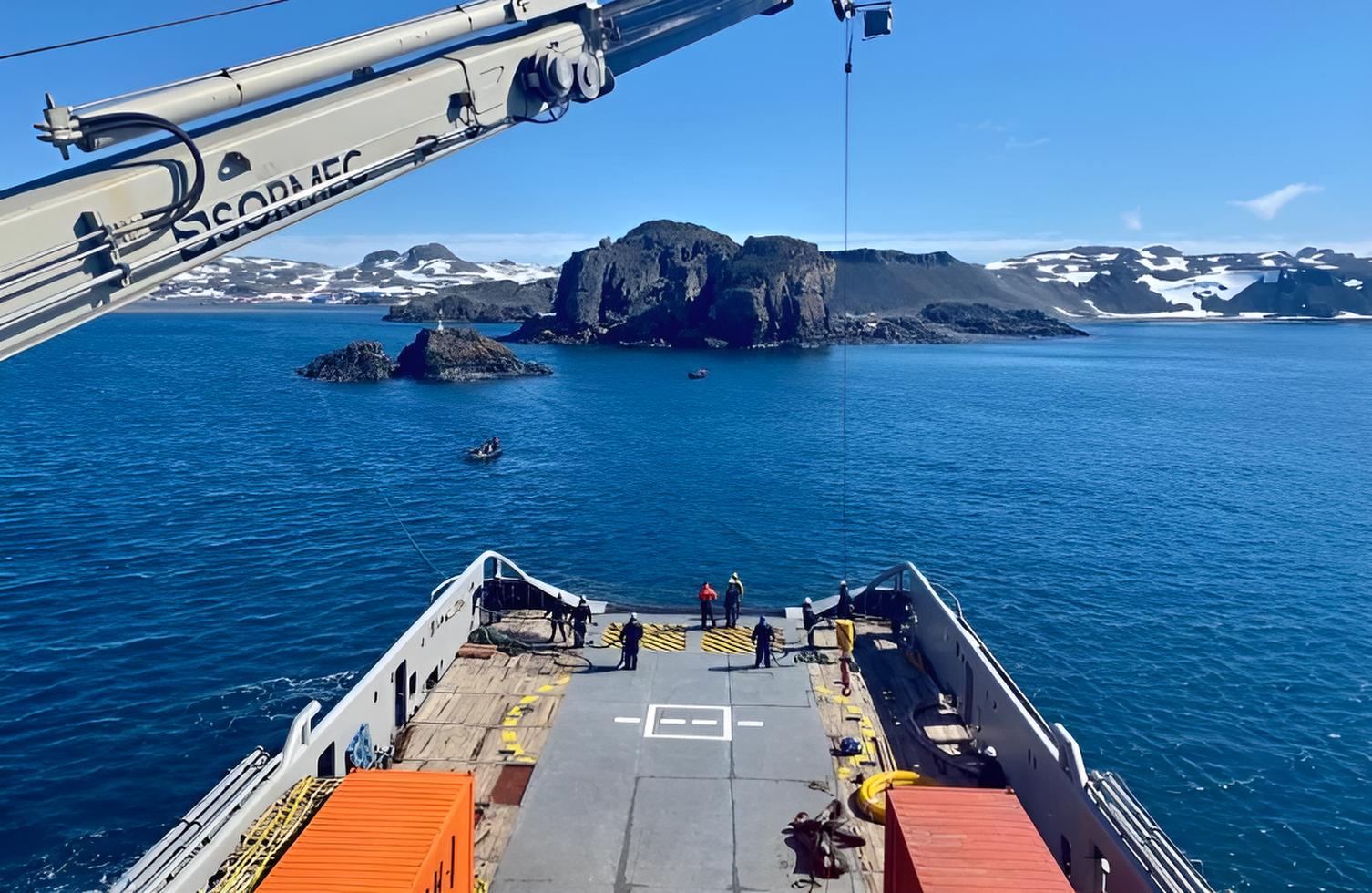
No se trata de una acción aislada: el Consejo de Política Antártica de Chile acaba de aprobar el Plan Estratégico 2026-2030, una hoja de ruta que articula ciencia, defensa y sostenibilidad ambiental como política de Estado, con independencia de los cambios de gobierno.
La Cancillería argentina, en cambio, atraviesa una crisis en su Dirección Nacional del Antártico, que perdió orientación y poder de gestión. El proyecto del Polo Logístico en Ushuaia avanza lentamente en medio de controversias sobre si participarán capitales chinos o estadounidenses, mientras Chile invierte $40.000 millones de pesos (u$s 452.000) en su Operación Base Soberanía.
Pero el aspecto más inquietante para la posición argentina es la creciente cooperación chileno-británica en territorios antárticos que se superponen con los reclamos de ambos países.
Las Fuerzas Británicas desplegadas ilegítimamente en Malvinas realizaron ejercicios conjuntos con Chile bajo la Operación Austral Endurance, con el objetivo declarado de garantizar el acceso seguro a la Antártida. Especialistas advierten que se trata de un testeo de capacidades de despliegue en las islas con apoyo chileno, en una región donde la Argentina mantiene un diferendo de soberanía con Londres desde 1833.
La ratificación argentina del Tratado de Alta Mar (BBNJ) en 2024 generó críticas incluso desde Chile, que considera que el acuerdo no reconoce con claridad las reclamaciones de soberanía en la Antártida y expone al país a riesgos estratégicos en el Atlántico Sur.
Mientras tanto, la expedición de embajadores de Australia, Nueva Zelanda y Sudáfrica organizada por el Instituto Antártico Chileno excluyó expresamente a la representación argentina, en un gesto que la diplomacia de Santiago no se molestó en explicar, ni la de Buenos Aires en consultar.
El contraste no podría ser más elocuente: Chile construye infraestructura, ejecuta maniobras, planifica a décadas y asocia su desarrollo antártico con potencias extracontinentales. Argentina debate discursos, recorta presupuestos y confía en que la amistad con Donald Trump pueda compensar décadas de abandono estratégico.
La geopolítica del hielo no admite ficciones: quien no construye muelles, no tiene soberanía que reclamar.
Tags
Otras noticias de Antártida
El Rompehielos Irízar zarpó de Ushuaia para la etapa final de la Campaña Antártica
122 años de Antártida Argentina: Entre el hito soberano de la logística fueguina y el acecho del Comando Sur
Perforan 2.8 km en la Antártida y recuperan el registro climático más antiguo de la historia


