
Bajo temperaturas que promedian los -35 °C y a 50 kilómetros de la estación científica Concordia, un equipo de investigadores liderado por el Reino Unido completó una perforación que alcanza el lecho rocoso a 2,8 kilómetros de profundidad.
El proyecto Beyond EPICA – Oldest Ice, coordinado por el British Antarctic Survey, logró extraer núcleos de hielo continuo que contienen información atmosférica de hace 1,2 millones de años, estableciendo un nuevo hito en la investigación paleoclimática.
El lugar elegido para la perforación fue Little Dome C, en la Antártida Oriental, una zona donde las condiciones extremas y el aislamiento imponen desafíos logísticos significativos.
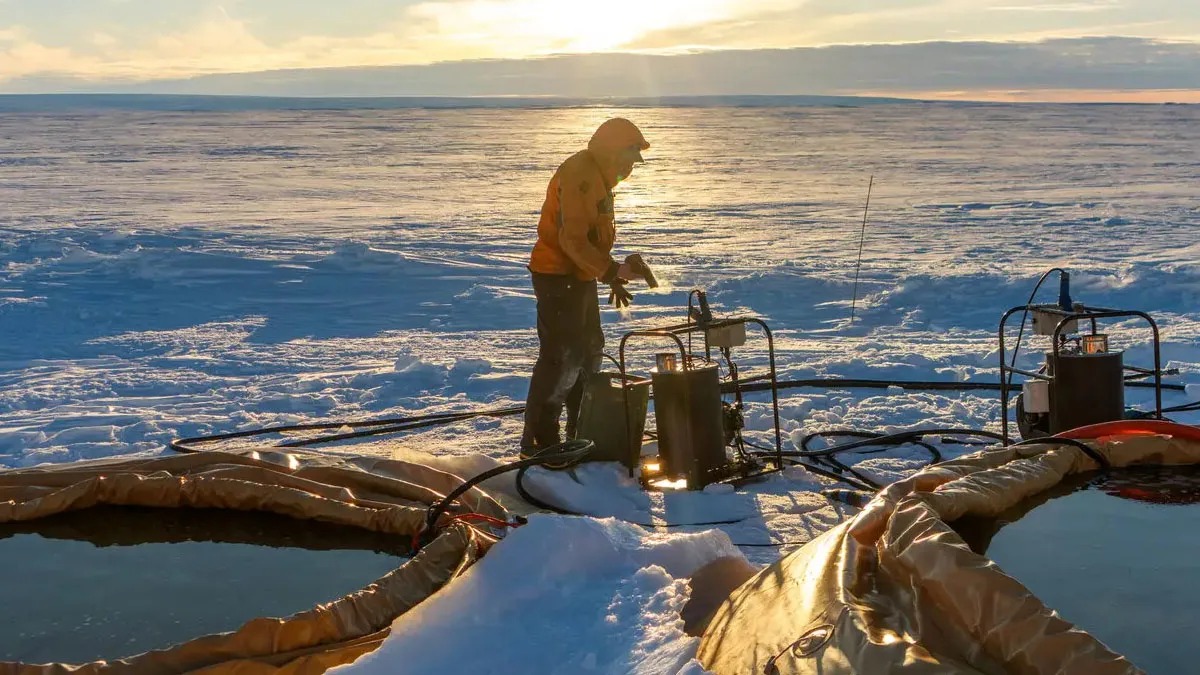
Durante varios años, el equipo internacional trabajó para descender hasta la base del hielo con la precisión necesaria para preservar intacto un material que funciona como cápsula del tiempo natural: las capas más profundas conservan burbujas de aire y compuestos químicos de épocas muy anteriores a la presencia humana en el continente.
Los científicos concentran ahora sus análisis en los 190 metros inferiores del núcleo extraído, donde se encuentra el hielo más antiguo. Mediante técnicas de flujo continuo, funden el material lentamente para medir simultáneamente isótopos, partículas y compuestos químicos. Este proceso, de carácter casi artesanal, permite reconstruir la composición atmosférica con una resolución que ningún otro registro geológico puede ofrecer.
Uno de los objetivos centrales de la investigación es comprender un cambio fundamental en la historia climática del planeta: la transición de los ciclos glaciales de 41.000 años a ciclos de 100.000 años. Hasta ahora, este fenómeno se estudiaba principalmente mediante sedimentos marinos. El hielo antártico aporta evidencia directa sobre la atmósfera de ese período, lo que permitirá ajustar los modelos climáticos actuales.
La comparación entre las concentraciones de gases de efecto invernadero atrapadas en el hielo milenario y los niveles actuales ofrece un contexto objetivo sobre la magnitud de las transformaciones atmosféricas recientes.
El archivo helado de la Antártida, una vez más, se consolida como una herramienta clave para dimensionar los cambios del pasado y evaluar las trayectorias futuras del
Tags
Otras noticias de Antártida
El Rompehielos Irízar zarpó de Ushuaia para la etapa final de la Campaña Antártica
Chile fortalece su presencia en la Antártida mientras Argentina retrocede
122 años de Antártida Argentina: Entre el hito soberano de la logística fueguina y el acecho del Comando Sur


