
Bajo la apariencia de una colaboración científica para el estudio del cambio climático, el Gobierno argentino ha otorgado "luz verde" al buque oceanográfico estadounidense R/V Roger Revelle para operar en aguas soberanas a partir del 5 de marzo. Sin embargo, detrás de las mediciones de salinidad y temperatura, se esconde una entrega de datos de dualidad civil-militar que afecta directamente la seguridad nacional en un área de disputa colonial.
La ciencia como vector de inteligencia naval
El R/V Roger Revelle no es un navío civil. Propiedad de la Armada de los Estados Unidos (U.S. Navy) y financiado por la NOAA (National Oceanic and Atmospheric Administration) y la NSF (National Science Foundation), este buque es gemelo del R/V Atlantis (famoso por la búsqueda del ARA San Juan). Su equipamiento, que incluye sondas multihaz de alta precisión, permite realizar un mapeo exhaustivo del lecho marino y determinar la acústica subacuática.
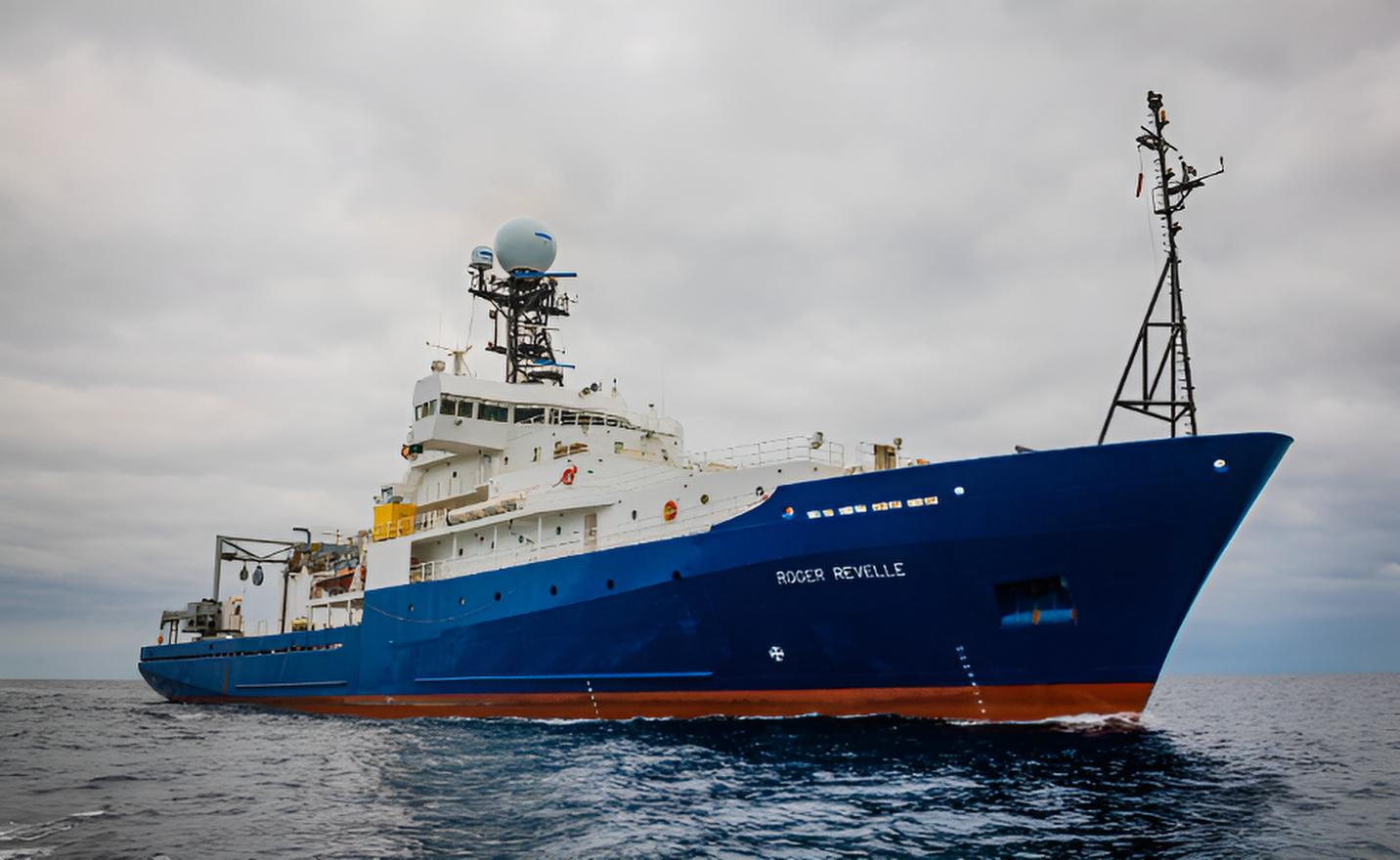
Para un submarinista, estos datos son el "mapa del campo de batalla". Conocer la velocidad de propagación del sonido y las variaciones de presión permite identificar "zonas de sombra" donde un submarino puede permanecer indetectable. En un Atlántico Sur militarizado por la OTAN —organización a la que el actual Gobierno Libertario aspira a ingresar—, entregar esta información a un aliado estratégico del Reino Unido es, en términos geopolíticos, una claudicación de soberanía.
El DNU 941 y la ilusión de la inteligencia estratégica
El reciente DNU 941/25, que propone una reforma al sistema de inteligencia nacional, menciona entre sus objetivos la identificación de riesgos sobre recursos naturales y su libre disponibilidad. No obstante, la realidad operativa desmiente el papel.
Mientras el decreto crea la Dirección General de Inteligencia del Estado Mayor Conjunto (DIGIEMCO), el sistema de defensa argentino continúa atado de pies y manos por la Resolución 381/2006. Esta norma prohíbe taxativamente a las Fuerzas Armadas realizar actividades de contrainteligencia, incluso dentro de sus propias sedes o para proteger información crítica del Estado frente a potencias externas.
Un país sin "escudo" informativo
La paradoja es alarmante: el Estado autoriza a una potencia extranjera a recolectar datos sobre nuestra plataforma continental, pero carece de los mecanismos legales de contrainteligencia para auditar qué información se está filtrando realmente hacia centros de mando externos.
El programa GO-SHIP, del cual forma parte la misión del Roger Revelle, está integrado casi exclusivamente por naciones de la OTAN. Los datos obtenidos —que también incluyen la ubicación de biomasa y cardúmenes— terminan en servidores públicos compartidos por países que sostienen la ocupación ilegal de nuestras Islas Malvinas.
Permitir que la U.S. Navy mapee nuestro mar mientras se mantiene vigente la prohibición de contrainteligencia militar, no es cooperación; es facilitar el control por parte de terceros sobre el patrimonio de todos los argentinos. La indefensión no es solo presupuestaria, es política y normativa.
Tags
Otras noticias de Atlántico Sur
Londres proyecta un cable submarino entre Uruguay y Malvinas con una empresa contratista de YPF
Con un tercio de sus bodegas cargadas, el petrolero británico dejó Tierra del Fuego y navega rumbo a Texas
La colonia británica suspende la temporada de pesca por la baja histórica del calamar


