La lealtad al mando. Para los soldados del Regimiento de Infantería 25 (RI 25), Mohamed Alí Seineldín es el jefe que estuvo con ellos en el barro, que comió lo mismo que ellos y que lideró la recuperación de las islas. Una lealtad, forjada bajo fuego en 1982, es la que hoy levanta un muro frente a la llegada de Nicolás Kasanzew a tierras chubutenses.
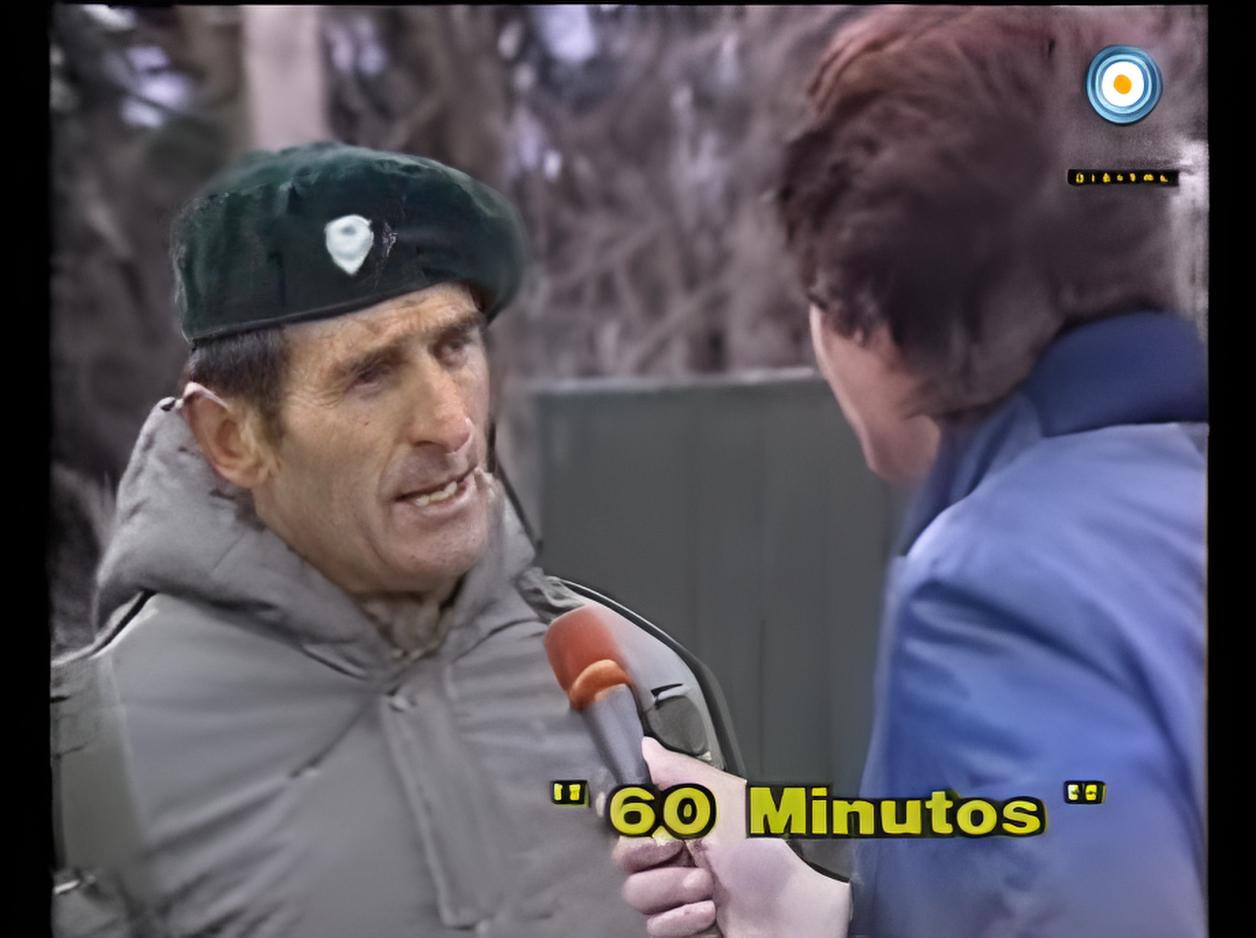
2 de abril de 1982, Nicolás Kasanzew entrevista al Tte Cnel Seineldin; desde el parque de la residencia que ocupaba el gobernador británico.
La Crónica del Conflicto
El detonante ha sido la invitación formal del diputado provincial Fabián Gandón para que el actual Director de Gesta de Malvinas del Senado participe de los actos oficiales del próximo 2 de abril. Lo que pretendía ser un homenaje institucional se transformó rápidamente en un foco de resistencia.

Desde que se conoció la noticia, un documento comenzó a circular con fuerza entre los ex soldados combatientes del RI 25. No es solo un desacuerdo político; es una cuestión de honor de unidad. Los veteranos denuncian que Kasanzew, en su rol de "cronista oficial" y en sus intervenciones posteriores, ha cuestionado políticamente la figura de su jefe de regimiento, cruzando una línea ética que los soldados no están dispuestos a perdonar.
Puerto Madryn: Un territorio con memoria propia
La elección de la zona para esta visita añade tensión al cuadro. En una provincia como Chubut, donde el "Día que Madryn se quedó sin pan" es un hito de la identidad popular, la llegada de una figura que representó la comunicación de la dictadura es vista como una provocación.
Los soldados del "25" no solo cuestionan a Kasanzew; también apuntan a la gestión política local. Critican que, mientras se financian visitas de alto perfil mediático, la situación de salud y los reconocimientos reales para los veteranos de la provincia siguen en un segundo plano.
Tags
Otras noticias de Nacionales
Milei a bordo del USS Nimitz: El mayor gesto de alineamiento con los EE. UU
Weretilneck autorizó por decreto la construcción de tres represas privadas a los qataríes
RÍO NEGRO S.A.: LA RUTA DEL DINERO ÁRABE QUE UNE A WERETILNECK Y A LA AFA CON LA ENTREGA DE TIERRAS