Lo que comenzó en junio de 2024 como un "error material" de tres metros, ha culminado en 2026 con una actualización cartográfica sin precedentes en el extremo norte de la Isla Grande de Tierra del Fuego. El incidente de los paneles solares en el Hito 1, que puso a prueba la diplomacia entre las administraciones de Javier Milei y Gabriel Boric, hoy se lee como el catalizador que obligó a ambos países a pasar de la confianza en los "viejos alambrados" a la precisión de la era satelital.
El origen del conflicto
La controversia estalló cuando la Fundación Mirgor y Total Energies donaron módulos y paneles solares a la Armada Argentina para modernizar el Puesto de Vigilancia y Control de Tránsito Marítimo (PVYCTM). La instalación, realizada bajo criterios de buena voluntad, pero con escasa precisión técnica, se guio por un antiguo cerco de estancia en lugar de coordenadas georreferenciadas.
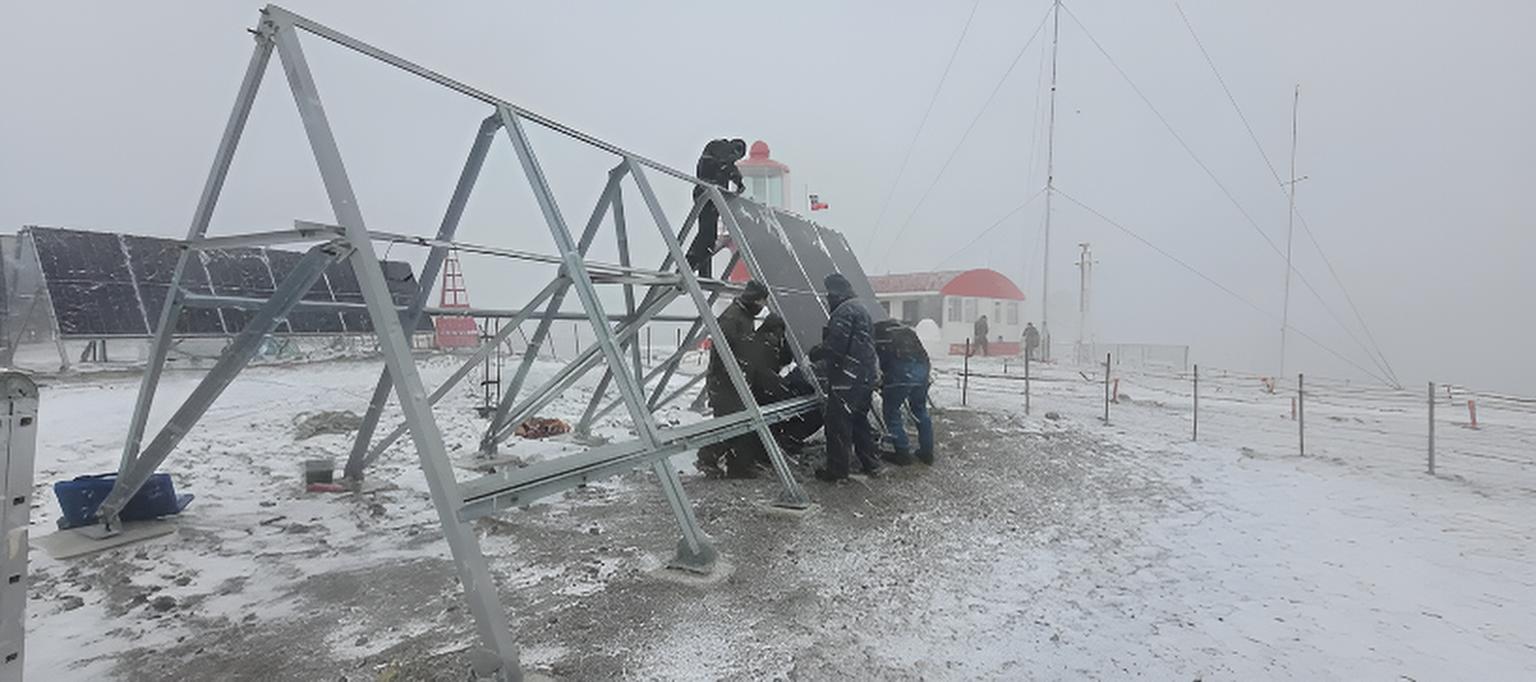
El resultado: 3 metros de invasión dentro de territorio chileno. La respuesta de Santiago fue tajante. El presidente Boric, bajo el principio de que "con las fronteras no se juega", exigió el retiro inmediato de las estructuras, lo que derivó en un operativo de desmontaje de emergencia por parte de la Armada Argentina bajo temperaturas de 15 grados bajo cero.
2026: El blindaje técnico de la soberanía
A casi dos años de aquel hecho, Chile ha dado por cerrada la etapa de vulnerabilidad técnica. El Ministerio de Bienes Nacionales chileno, en colaboración con su Armada, ha finalizado una actualización planimétrica exhaustiva del sector del Faro Espíritu Santo.
Mediante el uso de drones de alta tecnología y unidades de catastro especializadas, se han generado planos de alta precisión que ya están en manos de la DIFROL (Dirección de Fronteras y Límites). Esta medida no solo busca evitar nuevos "errores involuntarios", sino que reafirma la postura chilena sobre el Estrecho de Magallanes, frente a las tesis de "uso compartido" que han asomado en documentos oficiales argentinos en años anteriores.
Lecciones de una frontera viva
El episodio del Hito 1 deja tres conclusiones fundamentales para la geopolítica austral:
1. La obsolescencia de los límites físicos: Los alambrados históricos ya no son referencia válida frente a la cartografía digital.
2. Diplomacia de crisis: La celeridad con la que Argentina reconoció el error y retiró los paneles evitó que un roce técnico escalara a un conflicto mayor.
3. Vigilancia permanente: El Estrecho de Magallanes sigue siendo un punto de sensibilidad estratégica. La precisión técnica es, hoy más que nunca, la mejor herramienta para mantener la estabilidad bilateral.
Con la nueva delimitación digital, el Hito 1 deja de ser un punto de fricción para convertirse en un ejemplo de cómo la tecnología puede aportar claridad donde la historia y el clima suelen imponer ambigüedad. La soberanía, en el siglo XXI, se defiende tanto en el terreno como en los servidores de datos.
Fuente:
Tags
Otras noticias de Tierra del fuego
Milei rematará de 38 hectáreas de tierras públicas en el corazón de Ushuaia
CASO RADAR: LA COMISIÓN INVESTIGADORA CITÓ A MANCINI, SOLORZA Y HORMAECHEA TRAS REVELACIONES DE HARRINGTON Y BLANCO
La Comisión Investigadora por el radar británico comienza este jueves a tomar testimonio