Por Daniel Guzmán | Director de Agenda Malvinas
A 44 años de la Guerra de Malvinas, la Argentina exhibe una herida administrativa que no es otra cosa que una claudicación geopolítica: la negativa a reconocer como Veteranos de Guerra a los soldados que defendieron el litoral patagónico en el Teatro de Operaciones del Atlántico Sur (TOAS). Este reconocimiento no es una concesión; es un acto de estricta justicia militar y soberana que, a estas alturas, resulta innegociable.
La arbitrariedad de las Fuerzas: El abandono del Ejército
La mayor falencia reside en la falta de una política única de Estado. Mientras la Armada Argentina, en una decisión institucional de mediados de los 90, incorporó a 6.200 efectivos (oficiales, suboficiales y conscriptos) que no entraron en combate directo, pero sirvieron en la Flota de Mar, el Ejército Argentino ha mantenido un muro negacionista frente a su propia tropa.
Los soldados que custodiaron las bases aéreas en la Patagonia, que operaron radares, que cargaron la munición de los aviones que golpeaban a la flota británica, que patrullaron las costas, que resistieron el mismo clima que se vivía en las islas y que estuvieron bajo alerta roja ante incursiones confirmadas por el propio enemigo (como las operaciones Mikado y Plum Duff); son tratados por su propia fuerza como meros "movilizados". Esta distinción carece de sustento táctico: un objetivo militar bajo riesgo de ataque es zona de guerra, punto. La responsabilidad gubernamental ha sido la de mirar hacia otro lado, permitiendo que cada fuerza administre su propio "padrón de honor" según conveniencias presupuestarias, o políticas. O por el solo hecho de desmerecer a los más vulnerables.
Lecciones de soberanía: ¿Cómo lo resuelve el mundo?
Mientras Argentina discute si un soldado a 600 km de las islas era veterano o no, las naciones con verdadera tradición bélica y militar, han resuelto este dilema priorizando el servicio a la nación por sobre la geografía del disparo o del alcance de las bombas o misiles. Disposiciones militares internacionales, aparentemente desconocidas para Estado Mayor Conjunto de las Fuerzas Armadas de la República Argentina. Incumplimientos de las responsabilidades políticas que arrastran estos 43 años de recuperación democrática.
1. Reino Unido: La logística es Guerra
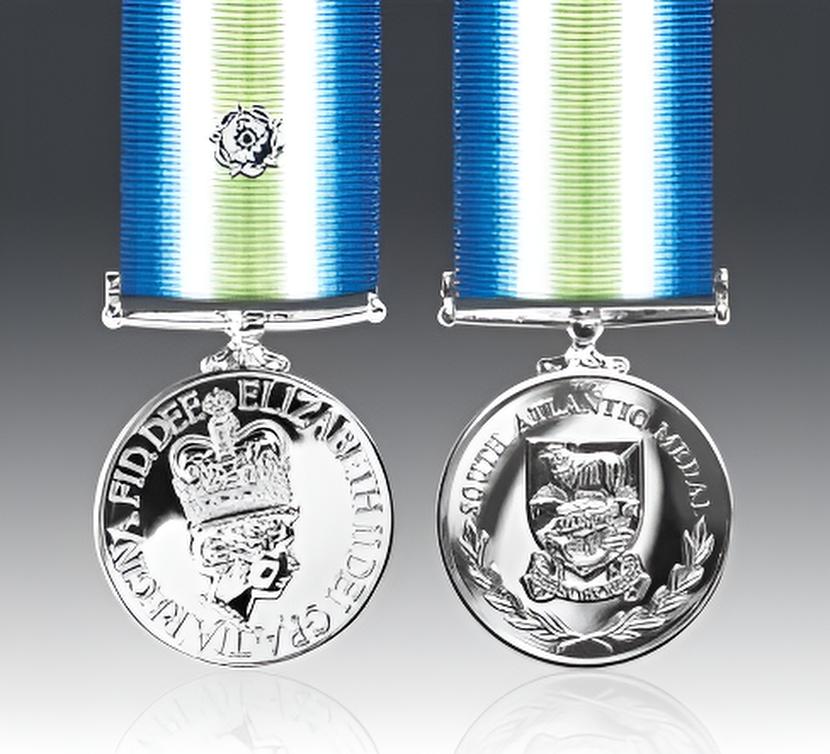
El enemigo de 1982 no tiene dudas. Londres otorga la South Atlantic Medal a quienes sirvieron en la Isla Ascensión (a 6.300 km de Malvinas) y en bases de apoyo en el propio territorio británico, como RAF Brize Norton (a 12.700 km).
- La solución: Diferencian con una "Roseta" en la medalla a quien estuvo bajo fuego, pero el estatus de Veterano y sus beneficios sociales son plenos para todos. Para ellos, el que carga el avión en Inglaterra es tan veterano como el que desembarcó en San Carlos.
2. Estados Unidos: Categorías de Honor
En conflictos como Vietnam o la Segunda Guerra Mundial, EE. UU. utiliza los conceptos de Wartime Veteran y Combat Veteran.
- Alguien que sirvió en una base en California durante la Segunda Guerra, es veterano.
- Alguien que apoyó desde bases en Tailandia durante Vietnam es veterano. No se les niega el derecho; se les asigna una categoría que reconoce su rol esencial en la maquinaria bélica.
3. Francia y Rusia: El riesgo como criterio
Francia otorga la Carte du Combattant basada en el riesgo y el despliegue en zonas de operaciones exteriores (OPEX), independientemente de la distancia. Rusia (ex URSS) reconoció como veteranos a miles de asesores en Vietnam que nunca empuñaron un fusil, pero fueron el soporte técnico del conflicto. Para estos países, la logística bajo peligro es combate.
Un vacío a favor del verdadero enemigo
La falta de este reconocimiento en Argentina, ha generado un vacío que será aprovechada por la diplomacia británica especialista en dividir naciones. Africa e India son testigos mundiales de la especialidad el Imperio Británico en esta materia. Al no darles el lugar que se merecen, el Estado Argentino permite que este lunes 30, un suboficial británico venga a "validar" a nuestros propios soldados, que está siendo rechazado por su propia Nación.
El reconocimiento al TOAS y a sus soldados, es innegociable:
1. Valida el mapa real de la guerra: La guerra no fue solo en dos islas; fue en todo el Atlántico Sur y el litoral patagónico.
2. Repara la injusticia institucional: No puede haber veteranos "por fuerza" (Armada y Fuerza Aérea sí, Ejército no).
3. Fortalece la Soberanía: Reconocer que el continente fue zona de conflicto es reafirmar que la agresión británica fue contra todo el territorio nacional.
4. Recupera la unidad de lucha: Une a los soldados que combatieron en las Islas, con los que se desempeñaron en el continente, en sostener la verdadera lucha, que no es otra, que con el enemigo británico.
La distinción entre el frente de batalla y la retaguardia estratégica debe existir en el honor y la condecoración, pero la condición de Veterano de Guerra debe ser una sola para todos los que pusieron su vida a disposición de la Patria en 1982. Cualquier otra postura es seguir desmalvinizando.
Tags
Otras noticias de Nacionales
Legisladores y organizaciones coinciden en la responsabilidad Melella en no desarmar el radar británico
Taiana volvió a responsabilizar a Melella por la presencia del radar británico en Tierra del Fuego
La Nación explica cómo la “Ley de Soberanía” de Milei avanza sobre la libertad de prensa y los consensos democráticos