No es una novedad ni una alarma repentina: es la rutina. Con el cierre de la zafra del langostino y el inicio del ciclo del calamar, el Mar Argentino vuelve a convertirse en un imán para las flotas extranjeras “de aguas distantes” que operan en la conocida y polémica Milla 201.
Allí, justo en el borde de las 200 millas de la Zona Económica Exclusiva (ZEE), se instala todos los años el mismo espectáculo: cientos de barcos pescando sin restricciones un recurso que migra, entra y sale de la jurisdicción argentina, mientras el Estado observa, monitorea y comunica, pero no logra disuadir.
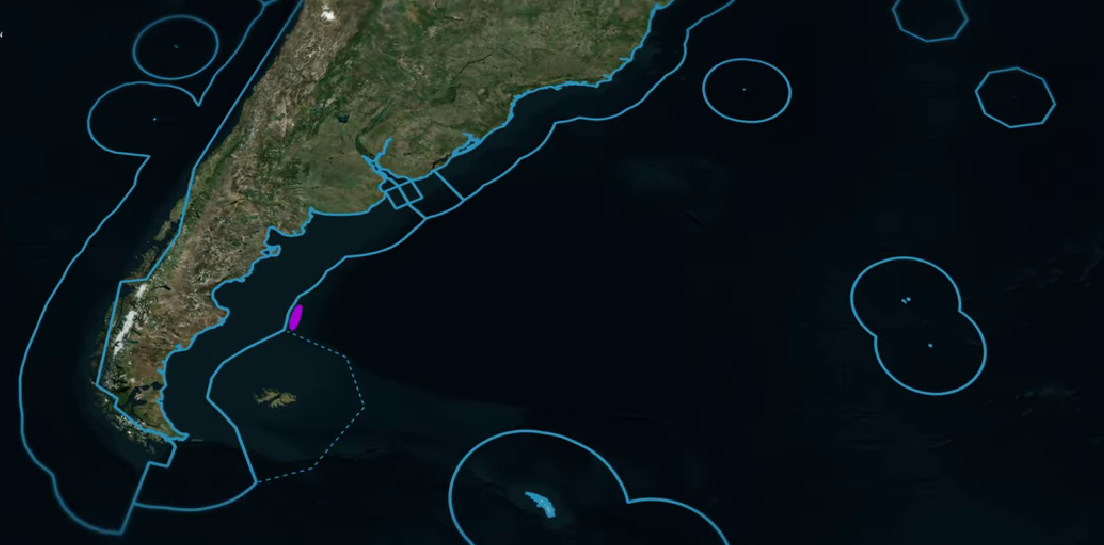
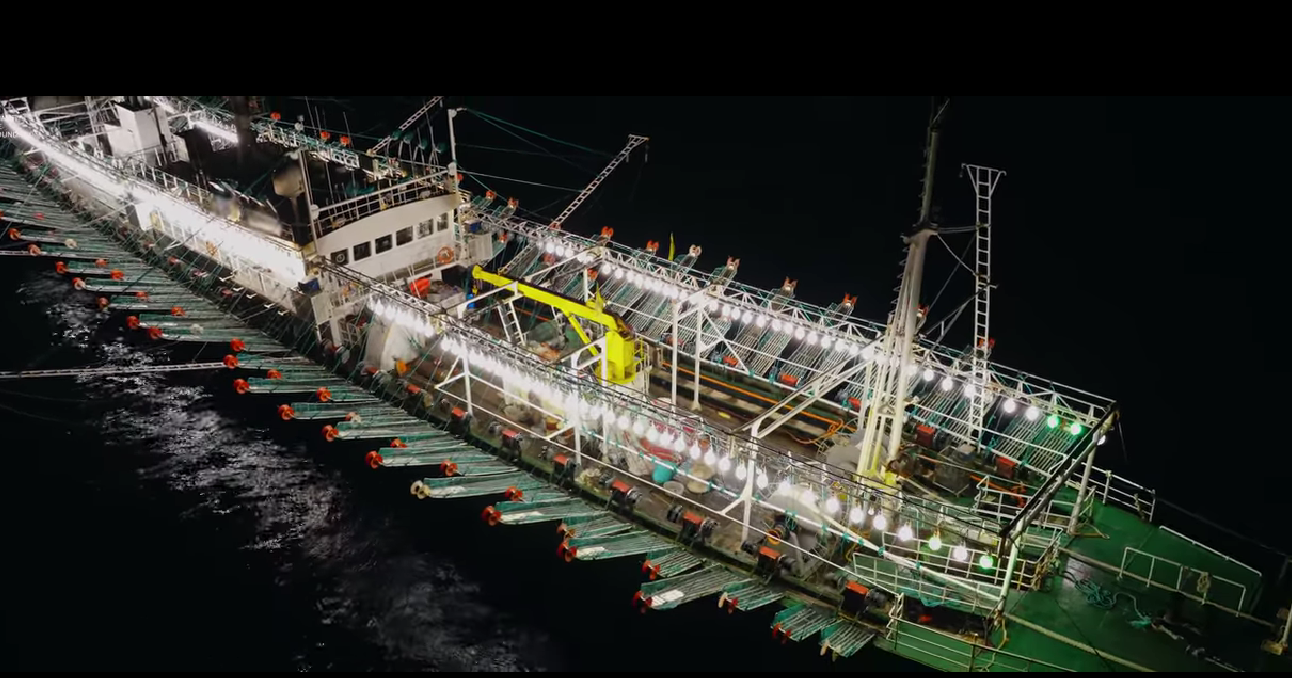
Según la Prefectura Naval, “los más de 500 buques pesqueros extranjeros que arribarán a la Milla 201 en la próxima zafra del calamar illex argentinus” ya están en movimiento. De hecho, la fuerza registró el movimiento de 148 buques extranjeros que se dirigen a la Milla 201, en un área donde “operan sin restricciones” sobre una especie cuya temporada para la flota nacional todavía no comenzó.
La paradoja se repite: mientras Argentina administra, regula y posterga, afuera se captura a gran escala.
La propia Prefectura reconoce que “el mayor desafío” son estas flotas, provenientes en especial de China, Corea del Sur y Taiwán, que “recorren miles de millas hasta alcanzar la zona habitual de operación”. Frente a ese despliegue, la respuesta oficial vuelve a ser la misma de cada año: Patrullaje periódico y planificado, y uso del Sistema Guardacostas. Mucha vigilancia, pocos resultados visibles.
Mapeos
Pero en esta temporada el problema suma un condimento inquietante. No se trata solo de pesca intensiva, sino de maniobras que rozan -o cruzan- un límite aún más sensible.
El caso del arrastrero chino Lu Qing Yuan Yu 205 vuelve a encender alertas. Con antecedentes de pesca ilegal dentro del Mar Argentino en 2016, y movimientos sospechosos en 2022, este año repitió maniobras de características similares, desplazándose en cuadrículas, un patrón incompatible con actividades pesqueras convencionales.
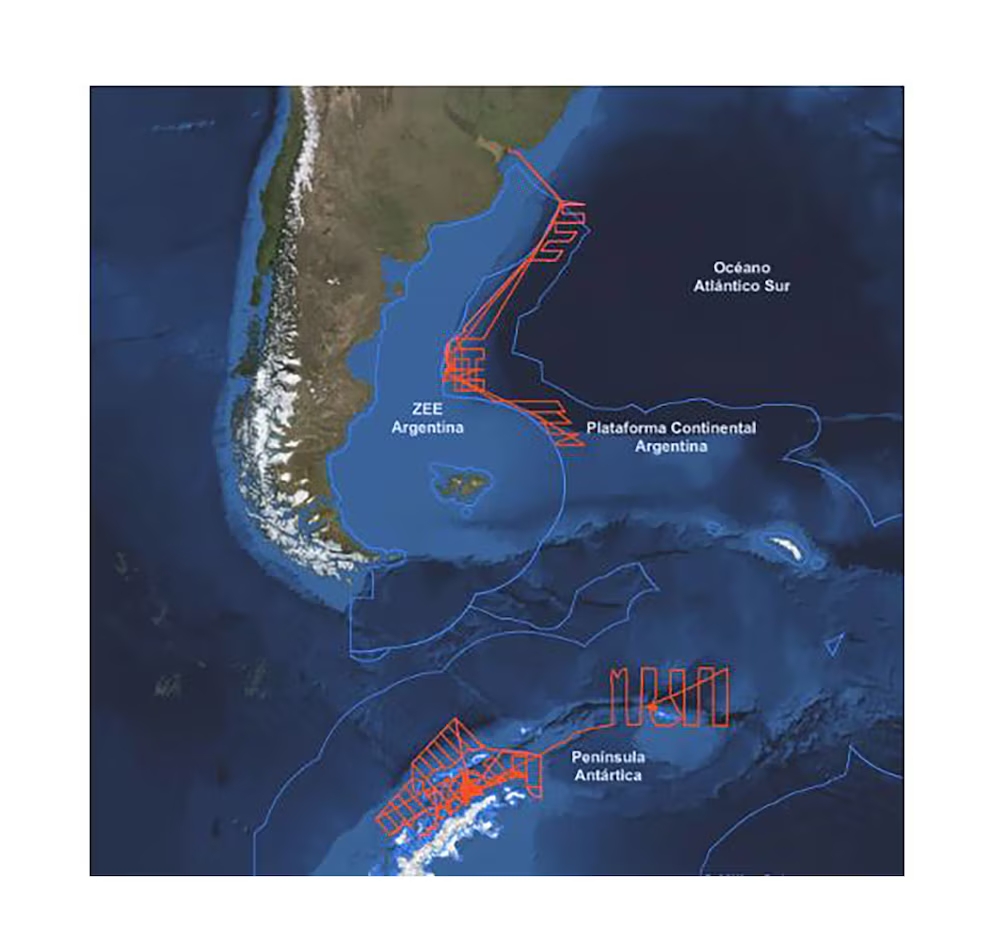
Para el investigador Milko Schvarzman, no hay demasiadas dudas: “Este barco, junto a otros realizaron, mapeos no solo sobre la plataforma continental argentina, sino también en las aguas de la Antártida”. Y advirtió al respecto: “Ya en 2022 habíamos detectado este buque haciendo movimientos no compatibles con pesca”.
La respuesta oficial, sin embargo, fue tan previsible como preocupante. En 2023, el Ministerio de Seguridad sostuvo que el buque “desarrolló sus actividades en alta mar o mar libre (…) sin que surgieran comportamientos que indicaran una presunta infracción”.
La plataforma continental es una zona gris, pero estratégica. Allí, un buque extranjero puede pescar, pero sin tocar o afectar el lecho marino. El mapeo, como admitió el propio Schvarzman, es “una acción poco amigable o incluso hostil”. Más aún cuando se realiza sin consulta previa y sobre áreas como el Agujero Azul, uno de los ecosistemas más ricos del Atlántico Sur.
Año tras año, el diagnóstico se repite con precisión quirúrgica: Presión extranjera creciente, recursos migratorios sobreexplotados, controles que no alcanzan y explicaciones oficiales que no convencen.
La Milla 201 sigue siendo el escenario de una depredación a gran escala que Argentina monitorea, denuncia y describe, pero que todavía no logra frenar.
Tags
Otras noticias de Atlántico Sur
Milei se prepara para visitar el jueves al USS Nimitz
El USS Nimitz cruzó el Estrecho de Magallanes y ya navega por el Atlántico Sur
Un A400M británico operó entre Montevideo y Malvinas con maniobras evasivas