La política económica de La Libertad Avanza suma un nuevo capítulo sobrío esta vez en el corazón del sistema financiero. Según reveló el portal La Política Online (LPO), las cuentas del Tesoro en el Banco Central de la República Argentina (BCRA) se han transformado en una verdadera "caja negra" donde entran y salen cientos de millones de dólares y billones de pesos sin una reconstrucción pública clara ni explicaciones oficiales creíbles.
La mayor controversia estalló tras la última licitación de deuda del Gobierno, cuando consultoras financieras privadas —como 1816, Outlier y el economista Gabriel Caamaño— detectaron que casi 4 billones de pesos ($4.000.000.000.000) captados por el Estado no figuraban en los depósitos del Tesoro dentro del balance del Banco Central.
La irónica respuesta de Bausili ante los billones que "no aparecen"
Consultado en conferencia de prensa por el destino de esta masa monumental de recursos que debían estar resguardados en la autoridad monetaria, el presidente del BCRA, Santiago Bausili, prefirió despegarse de la responsabilidad de la cartera económica conducida por Luis Caputo.
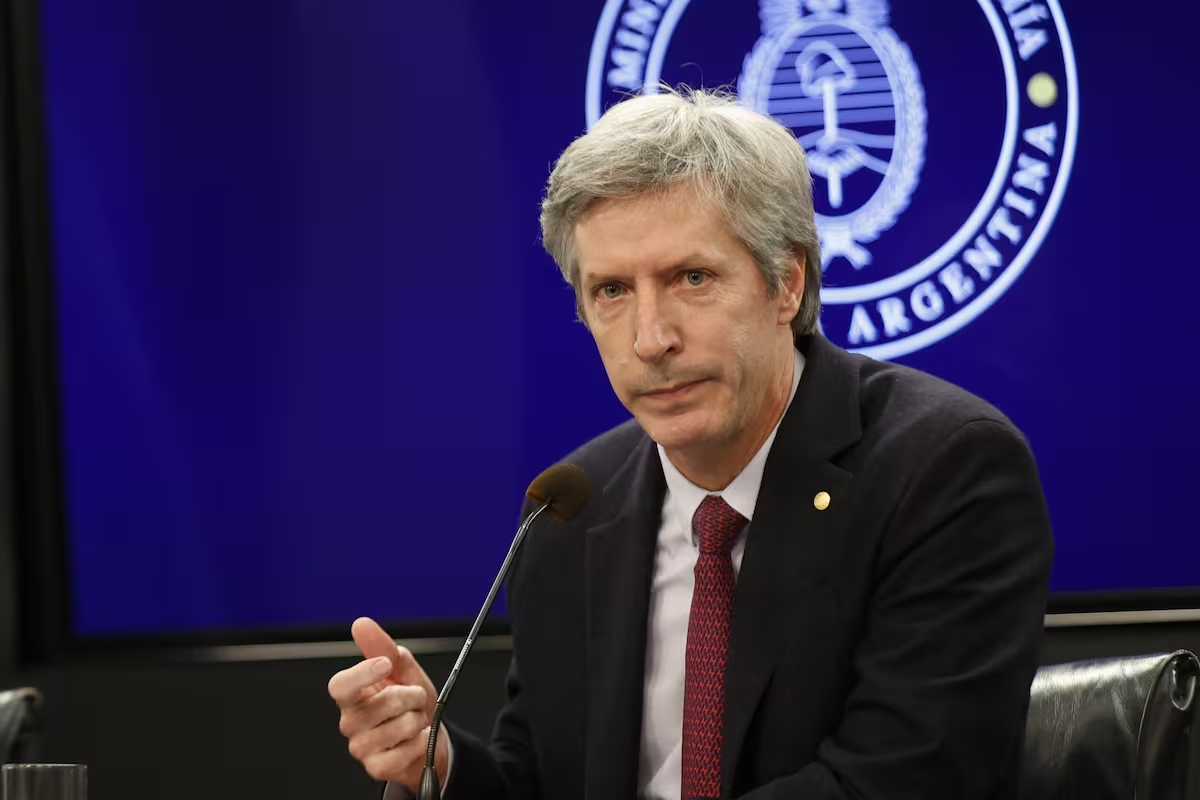
"No tengo mucha respuesta, porque es una pregunta que corresponde hacer al Tesoro", se desligó Bausili. Acto seguido, lanzó una frase con una ironía poco habitual para el cargo que ocupa: "No creo que hayan desaparecido. Puede ser que no los haya traído acá. Estoy seguro que si buscamos bien, en algún lado están. Son bastantes como para no encontrarlos".
La especulación de los operadores del mercado es que Economía habría derivado temporalmente esos fondos a bancos comerciales o utilizado operaciones de Repo de forma discrecional para administrar la liquidez y contener la suba de tasas, alterando los balances oficiales del BCRA sin transparencia normativa.
Intervenciones encubiertas y la brecha del dólar mayorista
A la opacidad de los pesos se le suma una llamativa maniobra con las reservas en moneda extranjera. Entre el 28 y el 29 de julio, los depósitos en dólares del Tesoro cayeron de USD 3.330 millones a USD 3.185 millones (USD 145 millones menos) exactamente el mismo día en que el dólar mayorista amenazó con quebrar el techo de los $1.500.
Diversos analistas del mercado cambiario coinciden en la sospecha de que el Palacio de Hacienda utilizó dólares del Tesoro para intervenir y frenar la cotización sin dejar registrada la operación como una venta directa del Banco Central. Días después, el saldo en dólares registró saltos inexplicables de casi USD 800 millones en un solo fin de semana —llegando a USD 4.387 millones—, sin que el Ministerio de Economía pudiera precisar qué porcentaje correspondió a la colocación del Bonar 2029 (AO29), a desembolsos de organismos o a Bopreales.
Improvisación en el corazón del modelo
El manejo a ciegas de las cuentas públicas evidencia la tensión de un modelo que necesita, en forma simultánea, contener el dólar, drenar pesos de la circulación y acumular reservas para cumplir con las exigencias del FMI.
En un contexto donde el Gobierno entrega los bienes comunes naturales, flexibiliza fronteras y busca alinearse incondicionalmente con potencias extranjeras bajo la promesa de una supuesta "orden financiera", la aparición de maniobras opacas y la incapacidad de explicar dónde están los fondos del pueblo argentino demuestran que la pauta económica se sostiene sobre parches contables y la improvisación permanente.
Fuente: "Las cuentas del Tesoro en el Banco Central se convirtieron en una caja negra y hay rumores por la desaparición de 4 billones de pesos", La Política Online (LPO), 6 de agosto de 2026.
Tags
Otras noticias de Nacionales
La consultora Vox Populi detectó un apoyo mayoritario a las medidas de Milei sobre Malvinas, pero con fuerte sospecha electoral
La comisión investigadora por el radar británico, abre en Buenos Aires las testimoniales a exfuncionarios de Alberto Fernández
MALVINAS COMO COARTADA: MILEI PRETENDE LA SUMA DEL PODER PÚBLICO BAJO UN RÉGIMEN DE EXCEPCIÓN PERMANENTE