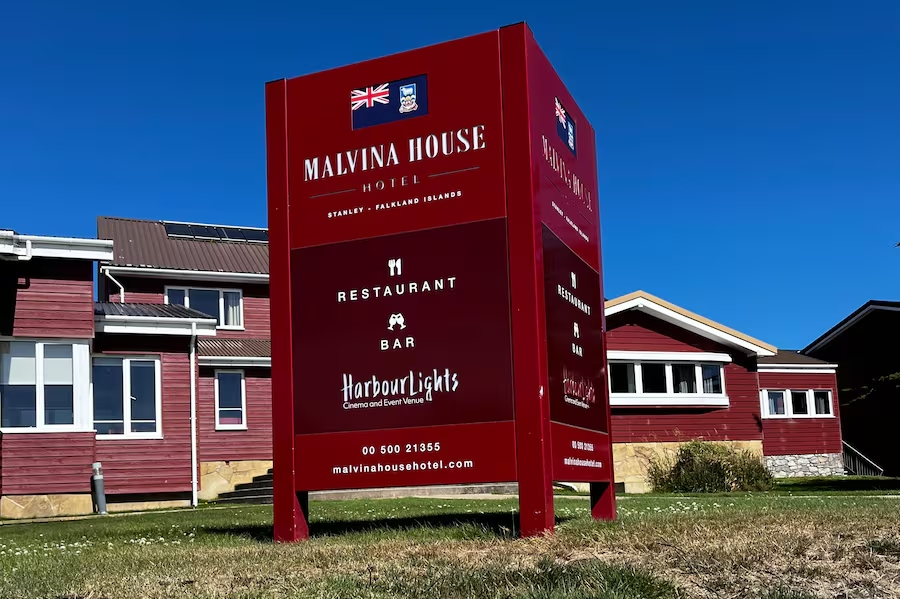
La sala tiene apenas 60 butacas y está ubicada dentro del Malvina House Hotel, uno de los pocos espacios con pantalla grande en todo Puerto Argentino. Allí, hace algunos días, ocurrió algo que nunca había sucedido desde que la disputa por la soberanía de las Islas Malvinas se cobró cientos de vidas en 1982: un cineasta argentino proyectó su película ante los miembros de la colonia isleña.
Luciano Nacci llegó a las islas con otra misión. Documentalista nacido en Viedma, Río Negro, Nacci se encontraba en el archipiélago para filmar un nuevo trabajo sobre la vida cotidiana de la colonia kelper en el territorio.
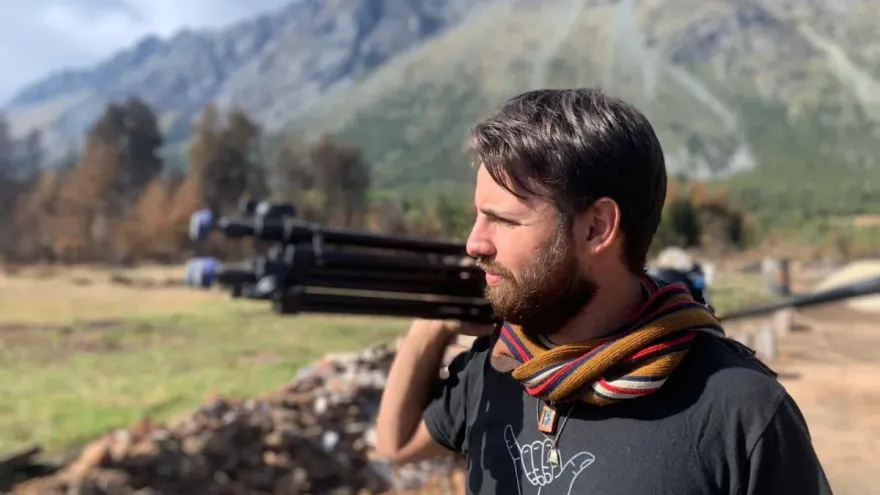
Lo que no imaginaba era que terminaría convirtiéndose en el primer realizador del país en exhibir una obra argentina en Malvinas, un hecho con una carga simbólica difícil de ignorar.
La película elegida fue "Tormenta de fuego", un documental que dirige junto a Axel Emiliem y que reconstruye el devastador incendio que en 2021 arrasó más de 14 mil hectáreas en la localidad de El Hoyo, en la provincia argentina de Chubut. Aquella tragedia dejó tres víctimas fatales y más de 500 viviendas destruidas, en lo que se considera el incendio periurbano más grande de la historia de Latinoamérica.
El azar que hizo historia
La proyección no fue fruto de una gestión diplomática ni de un programa cultural oficial. Surgió de manera casi fortuita, como suelen ocurrir los pequeños hitos.
Nacci, mientras recorría Puerto Argentino, entabló conversación con el programador del cine del Malvina House Hotel, un hombre oriundo de Sri Lanka. Al comentarle que tenía una película terminada, la respuesta lo sorprendió: "Nunca pasamos una película argentina". La investigación informal que siguió a ese diálogo confirmó el dato: jamás se había proyectado una producción nacional en las islas usurpadas por Gran Bretaña.
La convocatoria se hizo a través de redes sociales y carteleras comunitarias. La respuesta fue inmediata. La sala se llenó casi por completo con una mezcla heterogénea de asistentes: isleños nacidos en el archipiélago, residentes británicos que llegaron tras la guerra, trabajadores extranjeros de distintos puntos del planeta que hoy viven allí.
Para que la experiencia fuera accesible, los realizadores subtitularon el documental al inglés. También prepararon el póster en ese idioma. Pequeñas decisiones que, en un territorio tan sensible, adquieren un peso particular.
El eco del fuego en la isla
"Tormenta de fuego" no aborda la política internacional ni la disputa de soberanía. Su eje es otro: el dolor de quienes perdieron todo ante el avance implacable de las llamas en la Patagonia.
El documental se sumerge en los testimonios de damnificados y brigadistas, en la desesperación de aquellos que vieron cómo sus casas se consumían en cuestión de horas mientras esperaban una ayuda estatal que, según denunciaron entonces, nunca llegaba a tiempo.
Durante la proyección, el silencio de la sala fue total. Al finalizar, el diálogo se abrió por más de media hora. Algunos isleños señalaron la similitud entre el paisaje devastado de la Patagonia y el suyo propio, aunque con una diferencia notable: en Malvinas no hay árboles. Otros, simplemente, agradecieron la posibilidad de conocer una historia que, pese a ocurrir a miles de kilómetros de distancia, les resultaba cercana en su crudeza.
El cine, territorio de encuentro
Para Nacci, la experiencia excede lo cinematográfico. En sus reflexiones, rescató el valor simbólico de lo ocurrido: proyectar una película argentina en Malvinas no borra las heridas de 1982 ni modifica el statu quo de la disputa diplomática, pero abre una rendija. "Esto demuestra que la cultura puede ser un espacio de encuentro", sostuvo.
El realizador se encuentra actualmente abocado a su nuevo proyecto, un documental que busca retratar la vida cotidiana en el archipiélago.
El trabajo no es sencillo. La memoria de la guerra sigue presente y no todos están dispuestos a hablar frente a una cámara. Pero Nacci insiste en la necesidad de construir puentes: escuchar a los colonos isleños, registrar sus historias, tender un hilo allí donde solo hay distancia.
Mientras tanto, la función de "Tormenta de fuego" ya forma parte de la historia. Una noche, en una pequeña sala de Malvinas, el cine argentino encendió su proyector y, por primera vez, los isleños vieron una película hecha por argentinos.
Tags
Otras noticias de Malvinas
El consorcio Rockhopper-Navitas extraerá de Malvinas por día, unos u$s 20 millones en petróleo
Navitas contrató una segunda plataforma petrolera y puso fecha para la primera extracción en Malvinas
Bajo condiciones de clima severo, Gran Bretaña realizó un despliegue militar en Malvinas