El avance del colonialismo petrolero en el Atlántico Sur acaba de dar un salto de escala, que deja en ridículo las palabras vacías de la diplomacia argentina. Documentos regulatorios internacionales y reportes especializados del sector energético (Bnamericas) revelan que la operadora israelí Navitas Petroleum no solo mantiene inalterable su plan para iniciar la extracción comercial, sino que ha firmado un Memorando de Entendimiento (MoU) para incorporar una segunda unidad flotante de producción, almacenamiento y descarga (FPSO) en el yacimiento Sea Lion (León Marino). El objetivo es claro: acelerar el desarrollo de barriles adicionales y elevar la capacidad de producción a niveles inéditos de saqueo.
Sortear la guerra en Oriente Medio
El reporte de las licenciatarias expone con qué nivel de velocidad corporativa se mueve el capital internacional, en contraste a la exasperante lentitud de la burocracia fueguina y nacional.
Debido a la escalada de tensión y la situación de seguridad derivada del conflicto con Irán en Oriente Medio, Navitas y Rockhopper tomaron la decisión de trasladar los trabajos de reacondicionamiento de la primera plataforma, la FPSO Aoka Mizu (con capacidad de 55.000 barriles diarios), directamente hacia astilleros en Asia. El propio CEO de Rockhopper, Samuel Moody, lo celebró ante los mercados como una "decisión prudente" que garantiza que el proyecto marche exactamente según lo previsto, fijando el inicio de la perforación y terminación de pozos para principios de 2027 y la extracción del primer barril para el primer semestre de 2028.
Una segunda plataforma para multiplicar el botín
La verdadera alarma para la soberanía argentina radica en la firma del nuevo Memorando de Entendimiento para una segunda mega-plataforma flotante (FPSO). Esta estructura añadirá una capacidad colosal de otros 125.000 barriles por día.
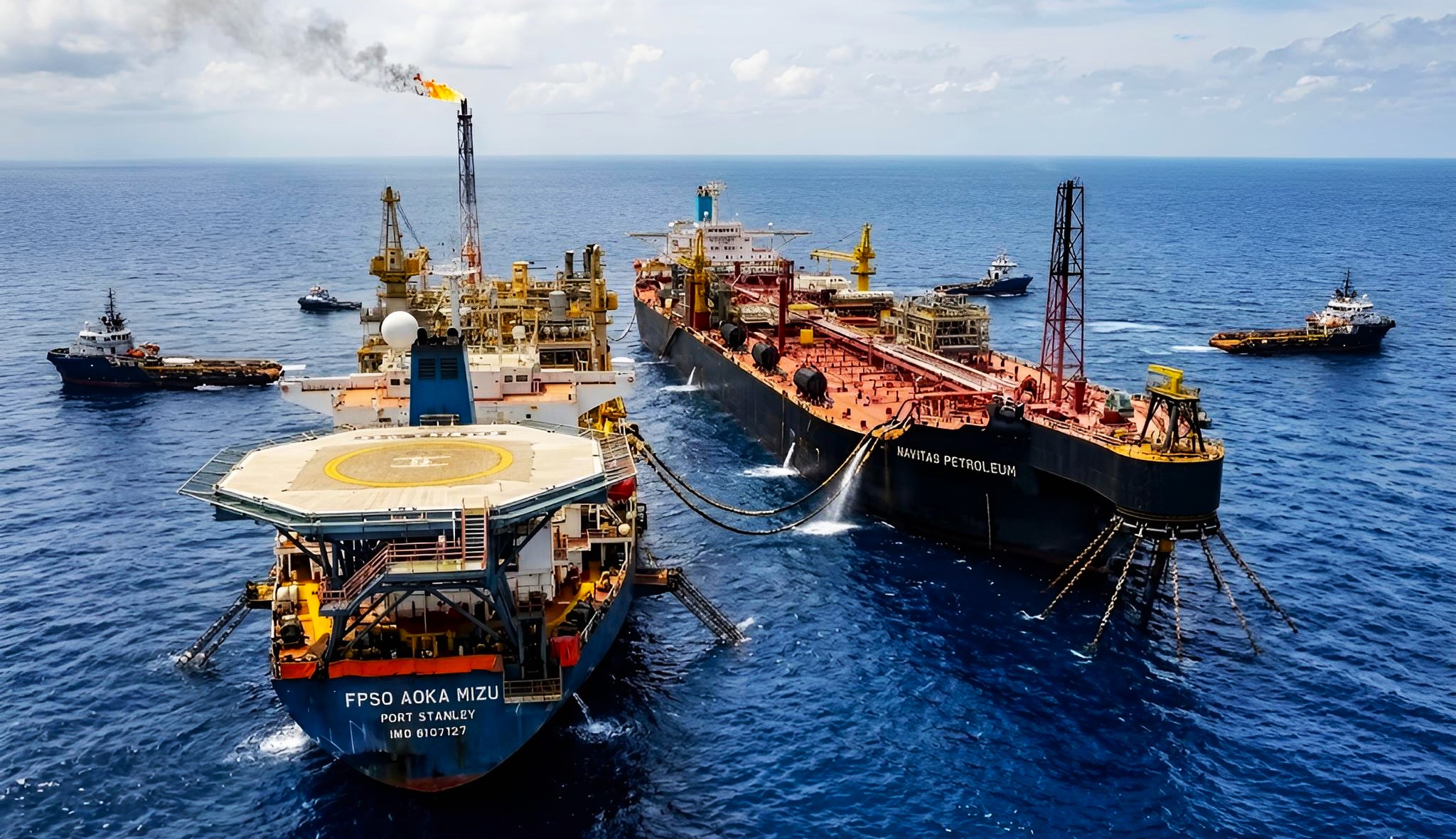
Y es que estamos ya no solo se está una sola fase extractiva, sino frente a dos. La primera con una FPSO (55.000 b/d) y el despliegue acelerado de esta segunda unidad (125.000 b/d), con el que el consorcio anglo-israelí se encamina a extraer 180.000 barriles de petróleo diarios en aguas de la plataforma continental argentina.
El cronograma del despojo físico en la costa
Lejos de las gacetillas y las efímeras operaciones de prensa del Gobierno de Tierra del Fuego en la búsqueda política de algún efecto positivo nacional; los trabajos en el territorio insular y de infraestructura costera en las proximidades de Puerto Argentino, ya están en marcha. Por ejemplo:
- Logística Portuaria: Ya comenzaron las tareas civiles dirigidas a los componentes del muelle y la base logística en la costa para recibir los insumos petroleros.
- Campamentos de Trabajadores: El cronograma técnico establece que para fines de este año comenzará la construcción de los complejos de alojamiento para los operarios y técnicos extranjeros que ejecutarán la campaña de perforación de 2027.
Cuando el secretario de Malvinas Andrés Dachary o el gobernador Gustavo Melella publicitan denuncias ante la Autoridad de Valores de Israel -cuyo texto no quieren dar a conocer-, y supuestamente buscan advertir a los inversores sobre "vulnerabilidades" entorno al Yacimiento Sea Lion; la realidad del mercado petrolero les responde con contratos y memorandos, firmados para traer una segunda plataforma de 125.000 barriles diarios.
Lo refleja claramente Bnamericas, los capitales no están siendo engañados; con sus inversiones están acelerando los plazos de infraestructura y logística portuaria en las islas, porque saben que la resistencia argentina es un decorado en el calendario de efemérides, que se renueva y caduca cada 2 de abril.
Mientras la provincia simula litigar no se sabe bien cómo y con quienes; el consorcio anglo-israelí ya está construyendo en Malvinas, los alojamientos para el personal técnico que perforará nuestro mar en menos de un año.
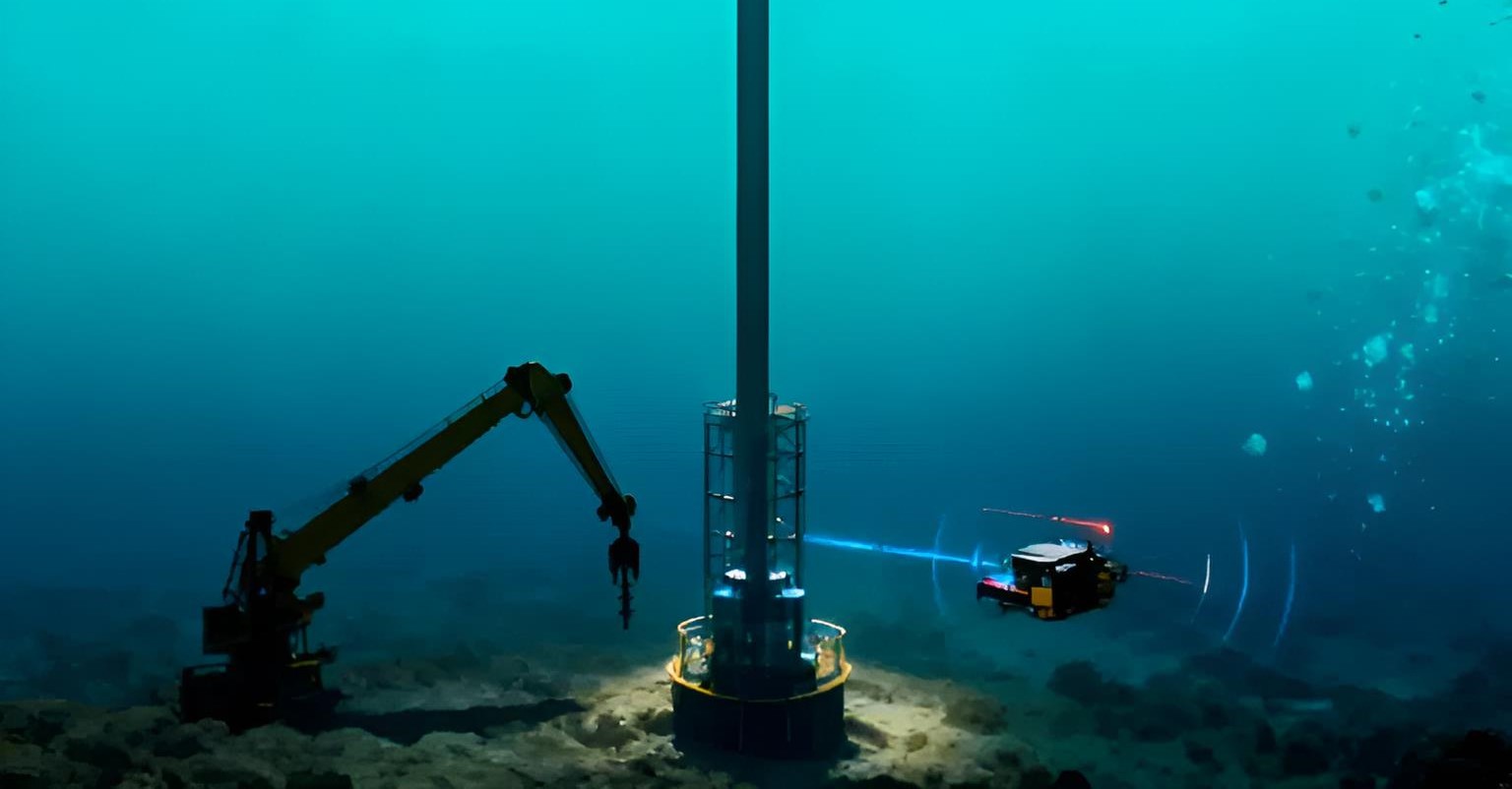
Queda expuesto, que el proyecto no solo no se frenó ante la supuesta denuncia de Gustavo Melella ante Israel, sino que las empresas usaron la crisis de Oriente Medio para mudar la ingeniería a Asia y acelerar hacia una segunda fase de extracción en Sea Lion.
En el medio de una reconfiguración de la economía mundial y con un barril de petróleo por encima de los u$s 105; Navitas y Rockhopper, están en Malvinas, no como espectadores; sino como anfitriones de la fiesta que significará la materialización del gran robo al patrimonio hidrocarburífero argentino, planificado por Gran Bretaña.
Tags
Otras noticias de Malvinas
El plan de Navitas para adueñarse de todo el petróleo en el norte de Malvinas
La naviera chilena EIL negocia una ruta marítima regular entre Punta Arenas y Malvinas
INFORME NAVITAS I: La colonia británica de Malvinas salvó el balance de la petrolera israelí