Leonardo Perez Bustos / Director de la consultora Neodelfos
El Banco Mundial calificó al régimen de Tierra del Fuego como una “política industrial fallida”, cuestionó su costo fiscal y puso en duda su impacto en el desarrollo productivo. Sin embargo, detrás de ese diagnóstico técnico emerge un debate mucho más profundo, si el futuro del extremo sur argentino puede definirse desde una lógica económica que ignora su valor estratégico y geopolítico.
El avance simultáneo de las recomendaciones del Banco Mundial, las exigencias del Fondo Monetario Internacional y la política de apertura indiscriminada de importaciones impulsada por presidente Javier Milei configuran un escenario de alto riesgo para Tierra del Fuego. Bajo el argumento de corregir “distorsiones” económicas, se consolida una presión convergente que pone en jaque no solo el sub régimen industrial fueguino, sino también el empleo, la sustentabilidad productiva y la presencia estratégica argentina en el extremo sur.
Resulta llamativo que estos organismos cuestionen con tanta severidad el régimen fueguino mientras omiten señalar experiencias internacionales donde los Estados sostienen políticas mucho más agresivas de promoción industrial. Desde los subsidios millonarios de Estados Unidos a su industria tecnológica, hasta la planificación estatal de China, pasando por los incentivos regionales de la Unión Europea o el modelo de desarrollo de Corea del Sur, el patrón es evidente: ninguna potencia dejó su desarrollo librado al libre mercado. Sin embargo, esos mismos instrumentos son catalogados como “distorsivos” cuando se aplican en economías periféricas.
Ese doble estándar se vuelve aún más evidente cuando se observa el caso del Reino Unido en las Islas Malvinas. Allí se sostiene una presencia ilegitima mediante una inversión militar multimillonaria, garantizando el control de un territorio en disputa y administrando de forma unilateral recursos estratégicos como la pesca y la exploración hidrocarburífera. Frente a este esquema —que combina subsidio, fuerte presencia estatal y control ilegal de recursos— ni el Banco Mundial, ni el FMI formulan objeciones. El silencio, en este caso, también es una forma de posicionamiento político de estos organismos.
Las recientes definiciones del Banco Mundial no dejan margen para interpretaciones ambiguas. El organismo califica al régimen de Tierra del Fuego como una “política industrial fallida”, cuestiona su costo fiscal y sostiene que no ha generado mejoras sustanciales en productividad o desarrollo tecnológico. El problema es construir una crítica bajo un enfoque absolutamente tendencioso.
El informe parte de una premisa reducida: analizar Tierra del Fuego exclusivamente bajo parámetros de eficiencia económica. Pero Tierra del Fuego no es un polo industrial más. Es un territorio estratégico. El propio documento reconoce —aunque de manera tangencial— que el régimen fue concebido para aprovechar la ubicación geográfica, promover el crecimiento poblacional y generar empleo. Es decir, admite que su objetivo nunca fue únicamente productivo, fue, ante todo, geopolítico.
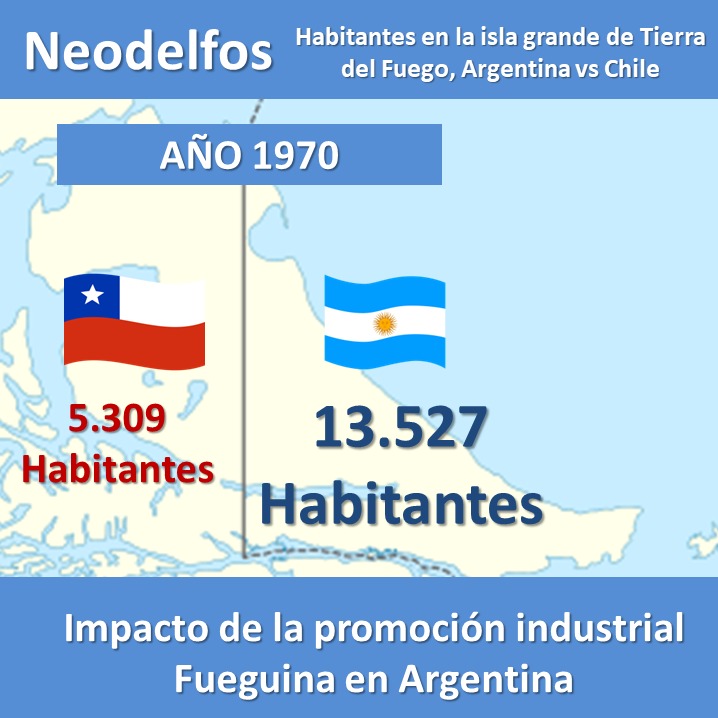
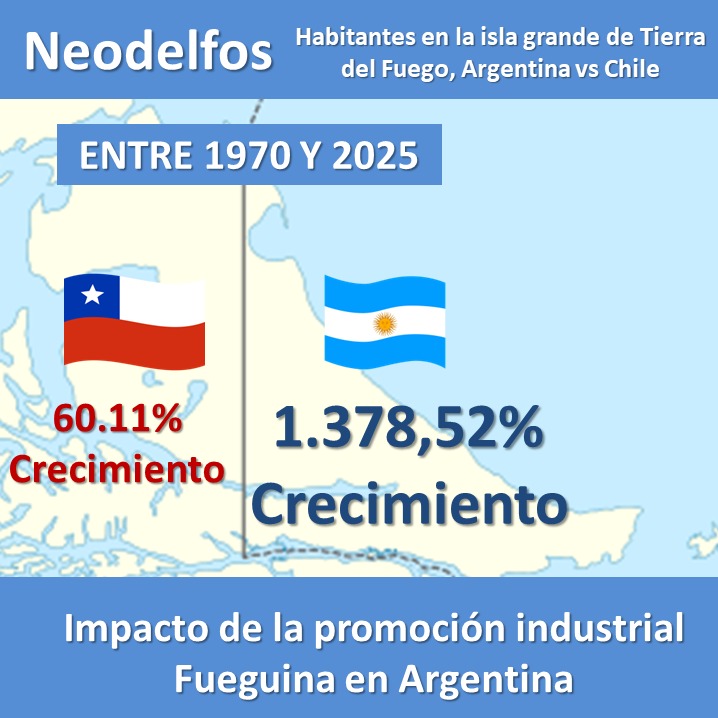
De hecho, si observamos con detenimiento antes de la implementación de la ley 19640, allá por el 1970 del lado argentino de la isla grande de Tierra del Fuego la cantidad de habitantes era de 13.527, mientras que del lado chileno eran 5.309 habitantes. Luego de 55 años bajo el estímulo del régimen de promoción economía y el sub régimen industrial del lado argentino hay 200.000 habitantes representando un crecimiento del 1.378%, mientras que en el sector chileno son 8.500 habitantes con un crecimiento del 60%.
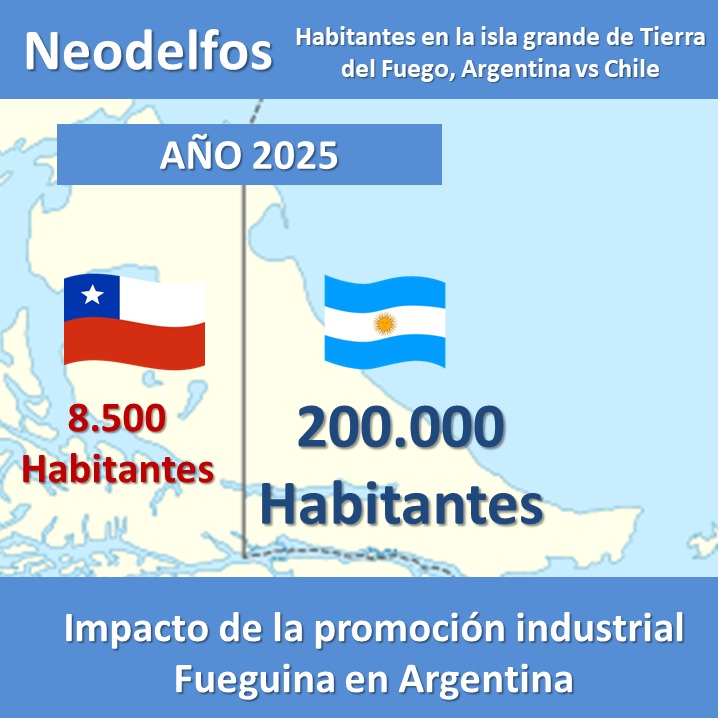
El objetivo que perseguía el régimen económico especial era claro y en ese sentido fue absolutamente eficiente.
Sin embargo, ese componente es el que desaparece del análisis técnico del FMI y del Banco Mundial. Porque cuando se elimina esa variable, el resultado es previsible: el régimen aparece como ineficiente. Pero esa conclusión no surge de un error en los datos, sino de una decisión previa sobre qué variables considerar y cuáles omitir.
En paralelo, las exigencias del FMI avanzan en la misma dirección, reducir exenciones fiscales, recortar el gasto tributario y revisar los beneficios asociados al régimen fueguino. La convergencia de ambas posturas no es casual. Se configura un marco de presión internacional que empuja hacia la desarticulación progresiva de un esquema que permitió poblar y sostener el extremo sur argentino durante más de 50 años.
En este esquema tampoco puede soslayarse un dato estructural del orden global, la histórica alianza estratégica entre Estados Unidos y el Reino Unido, que ha definido buena parte de las decisiones geopolíticas en Occidente durante las últimas décadas. Esa relación no es ajena al funcionamiento de organismos como el Fondo Monetario Internacional y el Banco Mundial, donde Estados Unidos posee un peso determinante en la toma de decisiones y capacidad de veto. En ese contexto, resulta difícil considerar como casual que las recomendaciones e imposiciones de estos organismos coincidan con intereses estratégicos de las potencias centrales en el Atlántico Sur. La orientación de sus diagnósticos no es neutra, responde a una arquitectura de poder global donde la economía y la geopolítica operan de manera articulada.
La pregunta entonces deja el plano de lo técnico y comienza a transitar el plano de lo político. ¿Qué ocurre si se debilita el régimen sin una alternativa que sostenga la actividad económica? La respuesta es conocida: caída de la producción, pérdida de empleo, migración interna y, en última instancia, despoblamiento. Y el despoblamiento en Tierra del Fuego no es un dato neutro. Es una redefinición del equilibrio territorial argentino.
A menos de 600 kilómetros de las Islas Malvinas y en una zona clave para la proyección antártica, cualquier retroceso en la densidad poblacional impacta directamente en la capacidad soberana del país. En ese contexto, sostener población no es una distorsión económica, constituye una decisión estratégica.
El Banco Mundial sostiene que las empresas sobreviven por transferencias fiscales y no por mejoras de productividad. Puede ser una lectura parcial. Pero omite una dimensión central, esas transferencias no solo sostienen empresas, sostienen población, infraestructura y desarrollo en un territorio extremo. Y sostener población en Tierra del Fuego no es un error de diseño, es una política de Estado.
Reducir el debate a si el régimen es caro o ineficiente implica ignorar el propósito que le dio origen. Porque cuando la economía en este caso se analiza sin geopolítica, las decisiones dejan de ser estratégicas y pasan a ser funcionales a intereses que no necesariamente coinciden con los nacionales.
En Tierra del Fuego, para los fueguinos ese margen de error no existe y lo que está en juego no es solo un sub régimen industrial, es la presencia argentina en el sur del mundo.
Tags
Otras noticias de Tierra del fuego
La Legislatura fueguina sepultó definitivamente la Reforma Constitucional de Melella
Excombatientes de Ushuaia llaman al repudio nacional contra la propuesta de "soberanía compartida"
Reforma Constitucional a presión: Melella acelera la ruptura institucional de Tierra del Fuego