Brasil acaba de convertirse en el escenario de una paradoja geopolítica que expone las costuras de la desunión regional. En menos de una semana, el gigante sudamericano pasó de firmar un documento de puertitas cerradas defendiendo la soberanía argentina en el Atlántico Sur, a abrirle la alfombra roja a la delegación colonial británica para que promocione el turismo en las Islas Malvinas bajo su denominación usurpadora.
La diplomacia del papel: La ZOPACAS en Río de Janeiro
El 11 de abril, la Cancillería argentina celebraba un "fuerte respaldo internacional" en la IX Reunión Ministerial de la Zona de Paz y Cooperación del Atlántico Sur (ZOPACAS). En Río de Janeiro, 24 países —con Brasil como anfitrión y motor— firmaron una declaración contundente de reconocimiento de soberanía y ratificaron la necesidad de que el Reino Unido retome negociaciones con Argentina.
A su vez, se rechazó la creciente militarización y manifestaron inquietud por el despliegue bélico británico en la región, aunque en el caso de Brasil; permite que aviones militares británicos operen en sus aeropuertos.
Y como broche final, en este tabernáculo de la diplomacia de papel, también rechazaron las actividades unilaterales de Gran Bretaña en Malvinas y especialmente cuestionaron la exploración de hidrocarburos en territorio en disputa.
Queda claro, que Brasil se muestra como el guardián de la paz regional y el aliado estratégico incondicional de los derechos argentinos, pero que en lo concreto juega en el equipo de los usurpadores.
La realidad del mercado: El WTM Latin America en San Pablo
Sin embargo, mientras la tinta de la ZOPACAS aún estaba fresca, en San Pablo se inauguraba el World Travel Market (WTM) Latin America (del 14 al 16 de abril de 2026). Allí, la realidad es otra. En los pasillos de una de las ferias de turismo más importantes del mundo, las Islas Malvinas vuelven a presentarse con un stand propio bajo el nombre de "Falkland Islands".
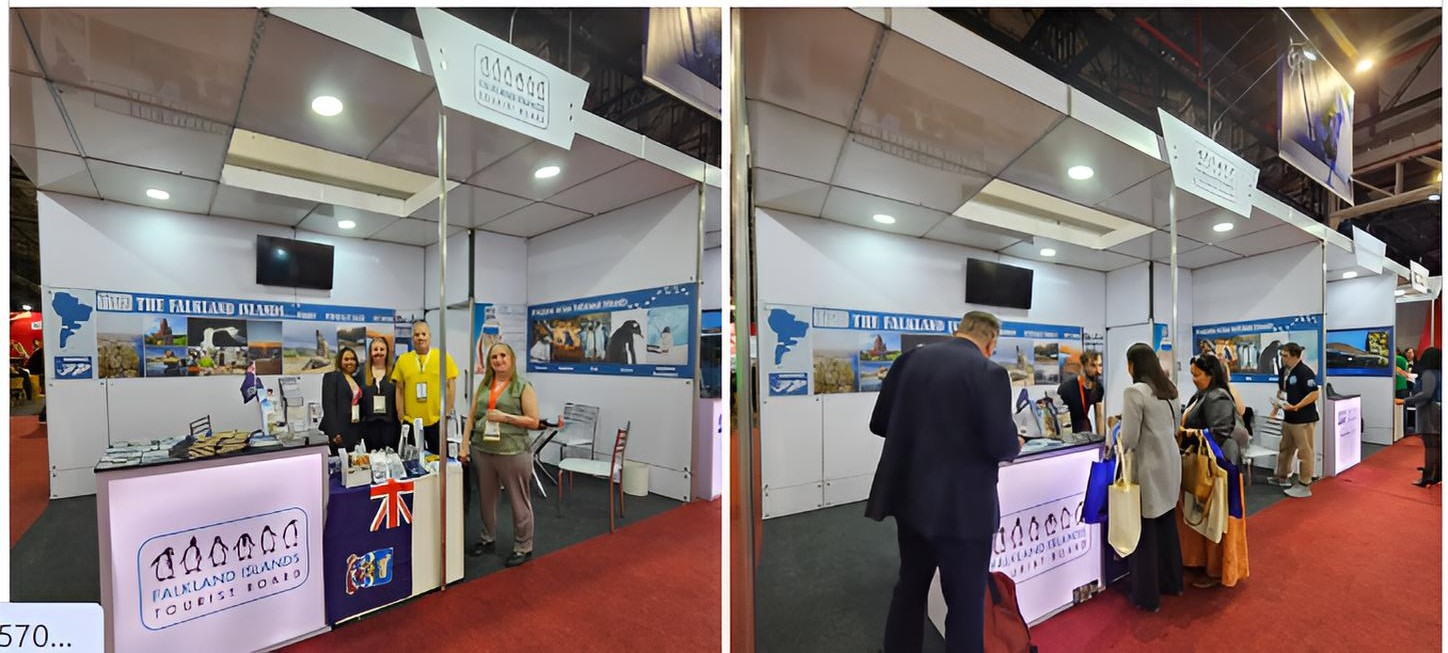
Allí, los colonos británicos venden paisajes, fauna y servicios turísticos como si fueran un Estado independiente o una región legítimamente británica, operando comercialmente en el corazón del Mercosur sin mayores restricciones por parte del gobierno de Lula da Silva.
La contradicción: ¿Soberanía o Negocios?
Esta dualidad plantea una pregunta incómoda para la política exterior argentina y para el liderazgo regional de Brasil: ¿Cuál es el verdadero compromiso de Itamaraty?
|
Ámbito |
Posición de Brasil |
Acción Concreta |
|
Diplomático (ZOPACAS) |
Aliado de Argentina |
Firma declaraciones de soberanía y paz. |
|
Comercial (WTM) |
Neutral/Pragmático |
Permite la promoción de Malvinas como destino británico. |
Mientras que la ZOPACAS busca consolidar un Atlántico Sur libre de tensiones coloniales, eventos como el WTM legitiman la presencia británica a través de la "diplomacia blanda" del turismo. Para los kelpers, participar en una feria en Brasil no es solo una oportunidad de negocios; es un ejercicio de reconocimiento fáctico.
¿A qué Brasil creerle? ¿Al que abraza a la Argentina en las cumbres ministeriales o al que permite que se comercialice territorio usurpado en sus ferias de negocios?
La política exterior brasileña parece haber perfeccionado el arte de la esquizofrenia diplomática: cumplir con los rituales de hermandad latinoamericana en los foros de seguridad, mientras mantiene los negocios habituales (business as usual) con la potencia ocupante. En tanto no haya un costo político o comercial por permitir estos stands en territorio regional, la "solidaridad" seguirá siendo un ejercicio discursivo sin efectos prácticos sobre la geografía.
Tags
Otras noticias de Internacionales
Barcelona: Una vidriera donde se normaliza el robo británico en el mar argentino
El desgaste del imperio: solo el 9% de los jóvenes británicos considera "muy importante" retener las Malvinas
UNA PATAGONIA SIN FRONTERAS Y SIN LEY QUE FRENE EL ROBO DE TIERRAS