La advertencia lanzada a mediados de 2024 por el abogado del Centro de Ex Combatientes de Islas Malvinas (CECIM) La Plata, Jerónimo Guerrero Iraola, dejó de ser una hipótesis bajo sospecha. El diario británico Financial Times expuso con lujo de detalles -el pasado 7 de agosto-, la existencia de Wamani ("guardián de las montañas" en quechua), un enclave privado de 32.000 hectáreas en el departamento mendocino de San Carlos, diseñado como refugio autosuficiente para un selecto grupo de multimillonarios ante el estallido de una guerra nuclear a escala planetaria o un colapso ecológico global.
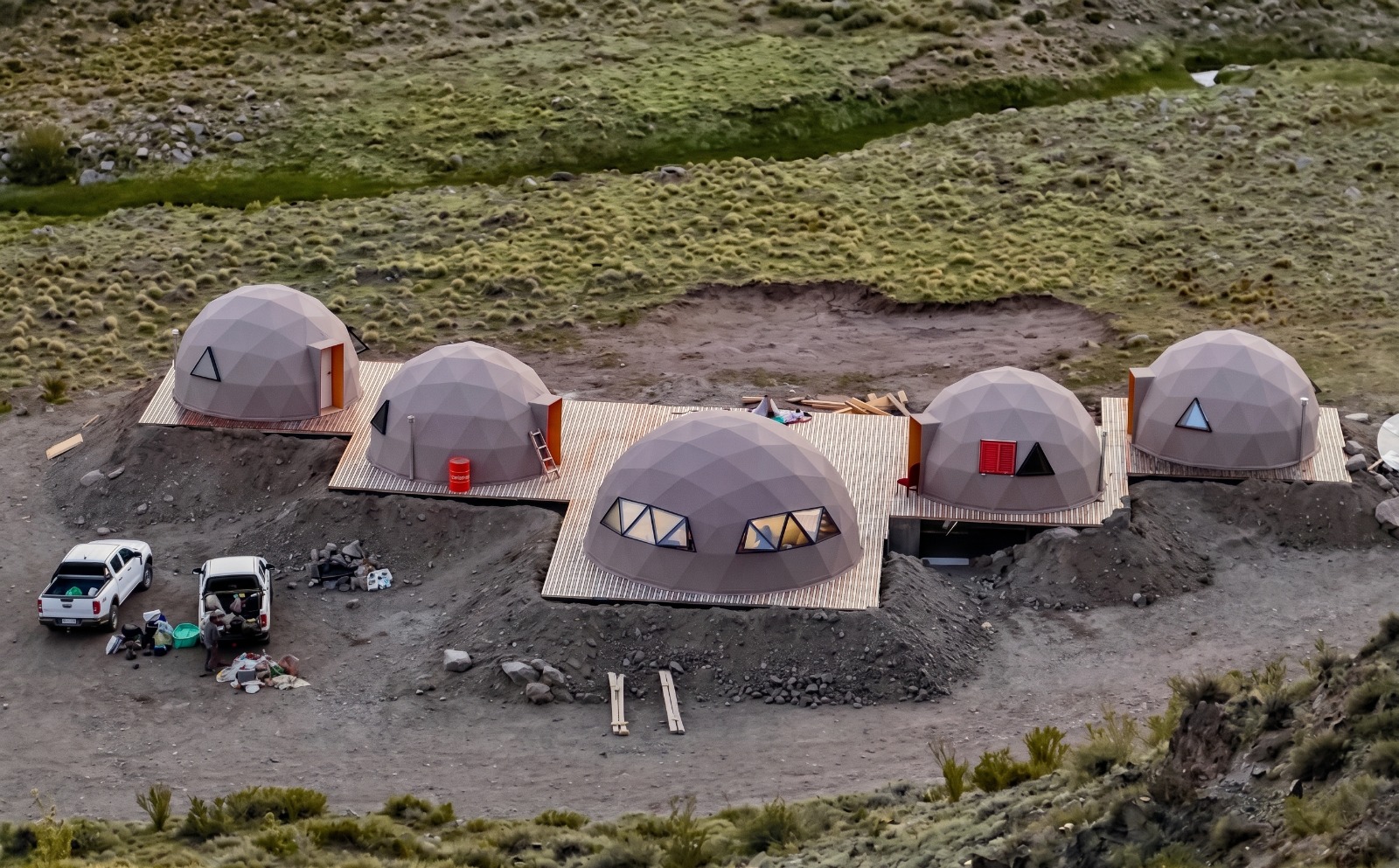
Lo que en junio de 2024 se denunciaba judicialmente en el marco del amparo contra la derogación de la Ley de Tierras como una operación opaca de "un magnate que compraba seguridad hídrica, alimentaria y nuclear", hoy tiene rostro: el empresario hispano-argentino Martín Varsavsky, secundado por socios de peso en el establishment internacional como Dan Lubetzky (fundador de la alimenticia Kind) y Alec Oxenford, actual embajador argentino ante los Estados Unidos y pieza clave en la reciente adhesión del país a la iniciativa minero-tecnológica Pax Silica.
La ciudadela andina: Pista aérea, servidores desconectados y agua dulce
Adquirido a fines de 2023 por una cifra inicial cercana al millón y medio de dólares y con una inyección de infraestructura que ya roza los 10 millones de dólares, el predio de Wamani se despliega en las estribaciones de la Cordillera de los Andes, cerca del pueblo de Eugenio Bustos.
El complejo ya no está en planos:
- Infraestructura operativa: Cuenta con viviendas modulares, domos geodésicos, más de 80 kilómetros de caminos internos y una pista de aterrizaje propia apta para operaciones aéreas privadas.
- Autarquía hídrica y energética: Está alimentado por campos de paneles solares y cuenta con acceso directo y exclusivo a cuatro manantiales y cursos de agua dulce, en una provincia históricamente castigada por la emergencia hídrica.
- Inteligencia Artificial aislada: Para garantizar la continuidad de sus negocios si colapsa la red global de telecomunicaciones, el proyecto contempla servidores locales con modelos de IA alimentados por energía solar, una suerte de "internet privado" para los miembros del enclave.
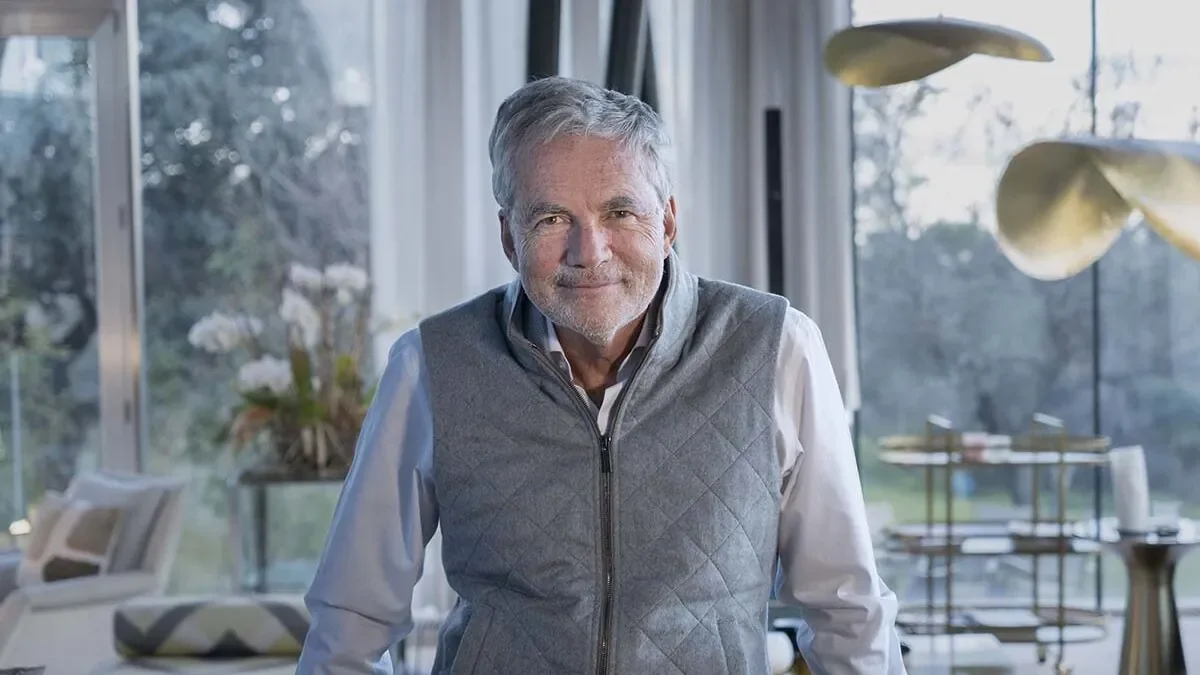
"Ya estamos en la Tercera Guerra Mundial", declaró Varsavsky al Financial Times para justificar la fortaleza. El empresario reconoció que pactó con su familia trasladarse de forma inmediata a Mendoza en caso de que se desaten invasiones en Taiwán o el Báltico. Asimismo, promueve la creación de una "visa de tranquilidad" para que fortunas extranjeras compren suelo argentino y se aseguren un salvoconducto territorial.
La doctrina Silicon Valley y la extranjerización por goteo
Wamani no es un hecho aislado. Replica el modelo de Peter Thiel (fundador de Palantir) en Nueva Zelanda o de Mark Zuckerberg en Hawái. Sin embargo, en la Argentina adquiere una dimensión de gravedad institucional extrema: mientras más de 13 millones de hectáreas rurales están en manos foráneas y el oficialismo intentó hasta último momento desmantelar la Ley de Tierras Rurales (26.737) en el Congreso mediante la ley de "Inviolabilidad de la Propiedad Privada", los grandes capitales aprovechan la fragilidad del Estado para consolidar señoríos feudales.
Como advertía el dictamen de la Procuración de Investigaciones Administrativas (PIA) en el caso de las 60.000 hectáreas de Santa Cruz: la posesión irregular o desregulada de la tierra en zonas cordilleranas es, en sí misma, una herida de muerte a la integridad territorial. En Mendoza, los bienes comunes —el agua de cuenca, las altas cumbres de 5.000 metros y el suelo productivo— quedan subordinados al derecho de admisión de un puñado de corporaciones.
¿Soberanía nacional o zona de escape para las élites?
El contraste es éticamente inadmisible y geopolíticamente alarmante. Mientras las comunidades locales enfrentan el estrés hídrico, la pérdida de capacidades productivas y el desfinanciamiento científico, el territorio nacional es ofrecido como una cantera de minerales y un santuario de lujo para las élites que alimentan los propios conflictos globales.
Fuentes:
- [1] "Un magnate compró tierras al sur de Mendoza para construir una fortaleza antinuclear", Agenda Malvinas (archivo), 03/06/2024.
- [2] "Wamani: The billionaire bunker in the Argentine Andes", Financial Times, 07/08/2026.
- [3] "Polémica en Mendoza: millonarios compraron 32.000 hectáreas para construir un refugio ante una posible guerra nuclear", La Política Ambiental, 11/08/2026.
Tags
Otras noticias de Nacionales
SLB, Baker Hughes y Halliburton no participarán en Sea Lion para blindar sus negocios en Vaca Muerta
La Cancillería argentina abrió sumario contra 45 petroleras, accionistas y asesores de Sea Lion
Bullrich reivindicó a Margaret Thatcher y expuso el verdadero rostro del pensamiento libertario