
The strategic alliance between the United Kingdom and the Republic of Chile in the Southern Ocean has just taken a significant leap forward into the realm of heavy arms manufacturing . At a time of heightened tension with Argentina over the imminent departure of the merchant ship Danstar to the Malvina Islands, and following British Ambassador David Concar 's visit to Punta Arenas to strengthen Antarctic and naval cooperation, an ambitious proposal from London has emerged: the British company Babcock International Group has offered to transfer technology to Chile and build the Arrowhead 140-class combat frigates in the country, the same design that underpins the Royal Navy's new Type 31 frigates .
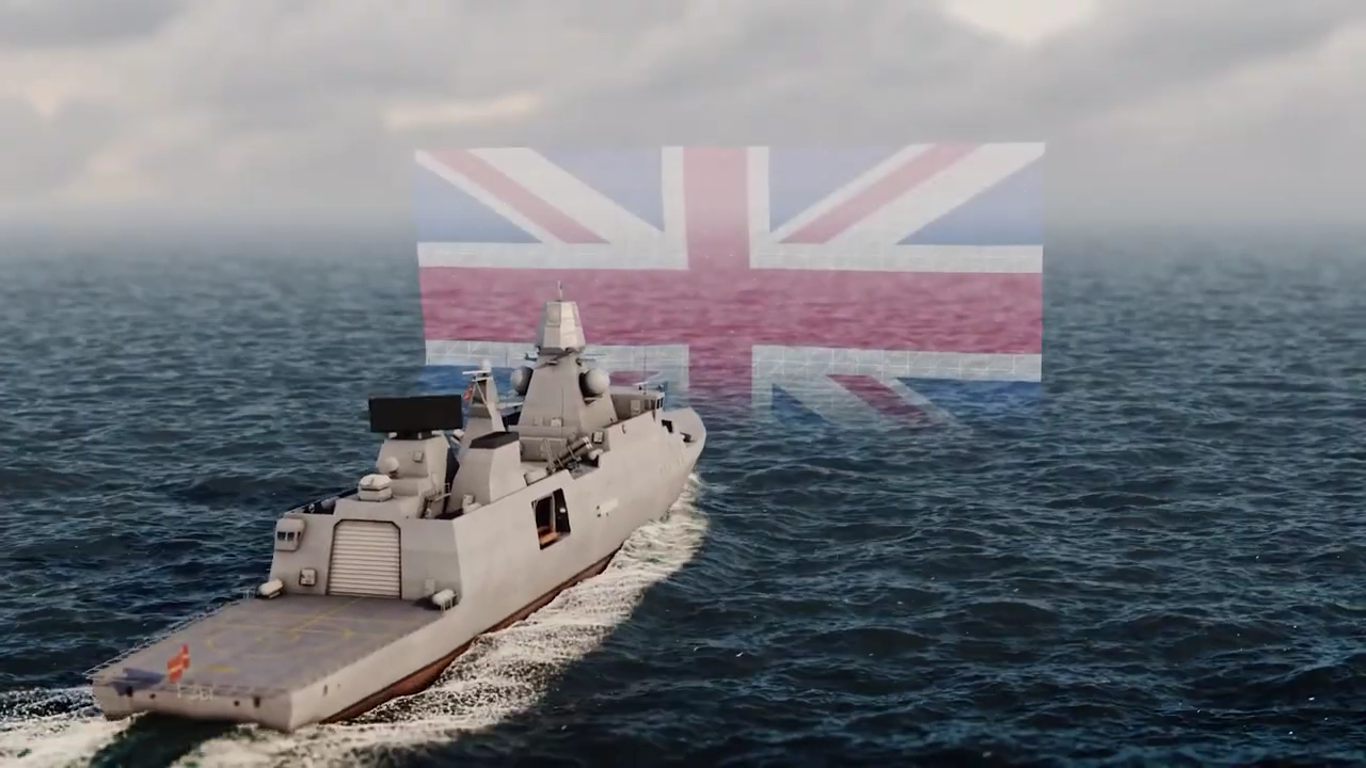
The initiative was formally presented by Nick Hine , CEO of Babcock Marine and former Vice Admiral of the British Royal Navy , who visited the country in early October to hold meetings with the Chilean Navy's top command and directors of the Navy's Shipyards and Workshops (Asmar) in Talcahuano.
According to what was published by specialized portals such as Infodefensa , the negotiations do not constitute a simple contact between private suppliers: they are structured on three articulated levels: between the governments of Chile and the United Kingdom, between both navies and between the British consortium and the trans-Andean naval industry .
The Type 31 platform and the "ARMOR Force" doctrine
The British proposal fits perfectly into the National Shipbuilding Policy 2025-2040 promoted by Santiago and seeks to respond to a pressing operational need: the Chilean National Squadron operates eight frigates with an average of 30 to 35 years of service that will have to be progressively replaced starting in the next decade, at an estimated cost of around 400 million dollars per unit.
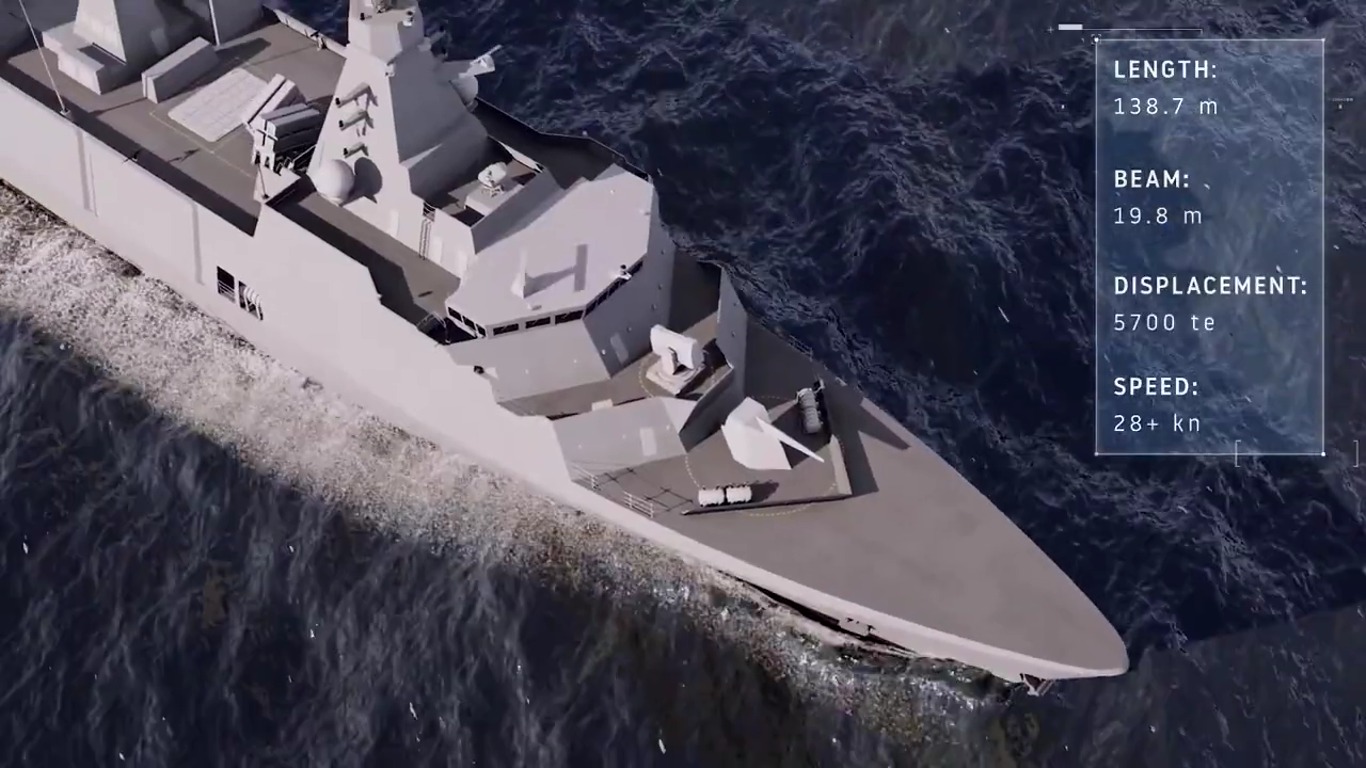
The vessel offered by Babcock is not a coastal patrol unit or a secondary transport; it is a front-line surface combatant:
Babcock already employs similar transfer schemes in Poland (three frigates of the Miecznik program) and Indonesia, but the bid for Chile carries unique geopolitical weight. In statements to El Mercurio de Valparaíso , former Vice Admiral Hine was emphatic about London's objective: “This is about building ships in Chile, with Chileans, and for Chile (...). Transferring our skills to Chile would allow it to become a powerhouse in frigate construction.”
The backdrop: the Malvina Islands, bases in the south, and the Royal Navy's rear guard
Babcock 's arms offer cannot be separated from the scenario of diplomatic and military collision that is taking place in the far south:
1. The calculated timing: Nick Hine 's visit and the presentation of the Type 31 frigates occurred in parallel with the announcements by Chilean Defense Minister Fernando Barros Tocornal to build new military bases in Magallanes , double the operating expenditure of the Armed Forces (US$2.885 billion allocated for 2027) and openly describe Great Britain as a "friendly country" that exercises de facto sovereignty in the Malvinas.
2. Coordination with British diplomacy: Just days after Babcock's efforts, Ambassador David Concar landed in Punta Arenas to meet with Mayor Claudio Radonich and publicly highlight "the good dialogue on cooperation between the British Navy and the Chilean Navy," while also endorsing the Easter Island shipping company's trade corridor to lower costs for the colonial enclave and support the Sea Lion oil project.
3. The message of regional deterrence: During his visit to Chile, the British official himself slipped in a warning with the tone of a strategic suggestion: if Chile builds capable and reliable frigates, "your neighbors will take notice." The target of this deterrence is none other than the Republic of Argentina.
The complicity that buries neutrality
Although the Chilean Navy has not yet defined a formal tender — and is competing with alternatives from South Korean shipyards such as Hanwha Ocean and HD Hyundai — the mere opening of trilateral negotiations with London to manufacture British-designed frigates in the South Pacific dismantles any pretense of neutrality on the part of La Moneda.
While in the Chamber of Deputies of the Nation in Buenos Aires Peronist legislators are asking to summon the Chilean ambassador Gonzalo Uriarte Herrera and deputy Guillermo Michel is pushing to denounce the bilateral agreements on investment protection and double taxation with the support of CECIM La Plata , Santiago is advancing in a direct military and industrial integration with the power that militarily occupies our Malvinas Islands.
The picture on the southern chessboard is clear: Great Britain is using Chile as its logistical rearguard in Magallanes to supply the Mount Pleasant base and plunder its oil, while tempting the Chilean Navy with plans, technology, and naval engineering to consolidate a permanent military encirclement of the South Atlantic and project power toward Antarctica. Faced with this ongoing strategic alliance, Argentina cannot respond naively: the defense of our sovereign territories demands legal firmness, effective naval control at the mouth of the Strait of Magellan, and an end to the economic privileges granted to those who choose to partner with the colonial occupier.
Tags
Other news about International
The regional and European double game: diplomatically supporting Argentina while maintaining the British enclave in the Malvinas
Galician fishing companies operating in the Malvina Islands urgently delete their corporate records
Britain appointed Vaughan Lowe as ad hoc judge to confront Argentina at the International Tribunal for the Law of the Sea.


