La presión del Comando Sur de EEUU. sobre el gobierno de Javier Milei para reactivar el controversial radar de LeoLabs en Tolhuin, Tierra del Fuego, acaba de tomar una forma institucional.
Apenas días después de la burda operación mediática orquestada desde el diario La Nación, la Jefatura de Gabinete de Ministros emitió la Resolución 151/2025, una medida que, bajo el pretexto de "reforzar la soberanía", parece diseñada para allanar el camino hacia la legalización de la peligrosa instalación.
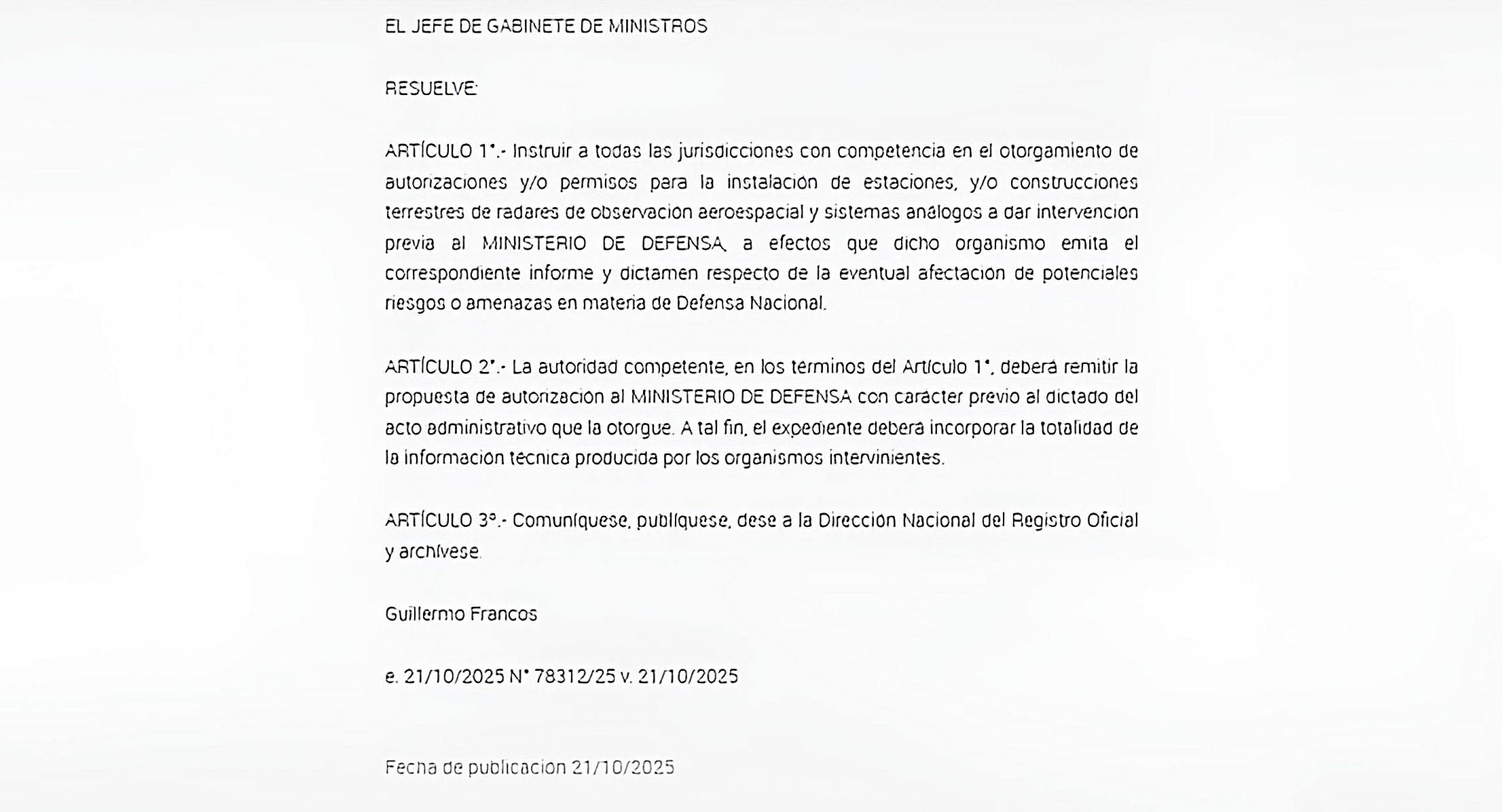
La Resolución, publicada este martes de 21 de octubre de 2025, instruye a todas las jurisdicciones competentes a requerir la intervención previa y el dictamen del Ministerio de Defensa antes de otorgar cualquier permiso para la instalación de radares de observación aeroespacial y sistemas análogos.
Si bien el texto apela a la Ley de Defensa Nacional N° 23.554 y la necesidad de resguardar el ciberespacio y el espacio exterior de amenazas, su aplicación al caso LeoLabs es, cuando menos, una jugada de dudosa legalidad y transparencia.
El doble juego de la Resolución 151/2025
La medida tiene dos interpretaciones directas que encienden las alarmas:
1. Curarse en Salud y Evitar el Escándalo de la Gestión Anterior: La Jefatura de Gabinete busca corregir el error garrafal cometido por el gobierno de Alberto Fernández, cuya Subsecretaría de Telecomunicaciones otorgó el permiso precario a LeoLabs sin consultar previamente al Ministerio de Defensa ni a Cancillería. Al imponer la intervención obligatoria de Defensa, el gobierno de Milei se cubre ante futuras controversias.
2. Buscar el Vuelco Técnico y la Reactivación Ilegal: El punto más peligroso es el intento de sortear las demoledoras advertencias que el propio Ministerio de Defensa formuló en agosto de 2023. El informe de aquel entonces, elaborado por la élite científica y militar (CONAE, INVAP), calificó al radar de "uso dual", con capacidad para el rastreo de misiles hipersónicos y satélites militares, declarando la instalación "incompatible con la Directiva de Política de Defensa Nacional".
La actual Resolución parece un intento de obtener nuevos informes técnicos que, bajo presión política, puedan contradecir el dictamen original y proveer una base legal para la reactivación del radar que el Comando Sur, al servicio de la administración Trump, ha exigido de manera explícita.
La prueba de la alianza militar de Leolabs con Gran Bretaña
Cualquier intento de "blanquear" el radar de Tolhuin por parte del gobierno libertario choca con una realidad incómoda: LeoLabs Inc. formalizó una alianza estratégica con el Ministerio de Defensa del Reino Unido. Este acuerdo, revelado en julio de 2024, compromete a la compañía a proporcionar servicios de seguimiento y monitoreo al Proyecto Tyche del Comando Espacial del Reino Unido, parte de un programa de 1.000 millones de dólares para establecer una constelación de satélites de inteligencia, vigilancia y reconocimiento.
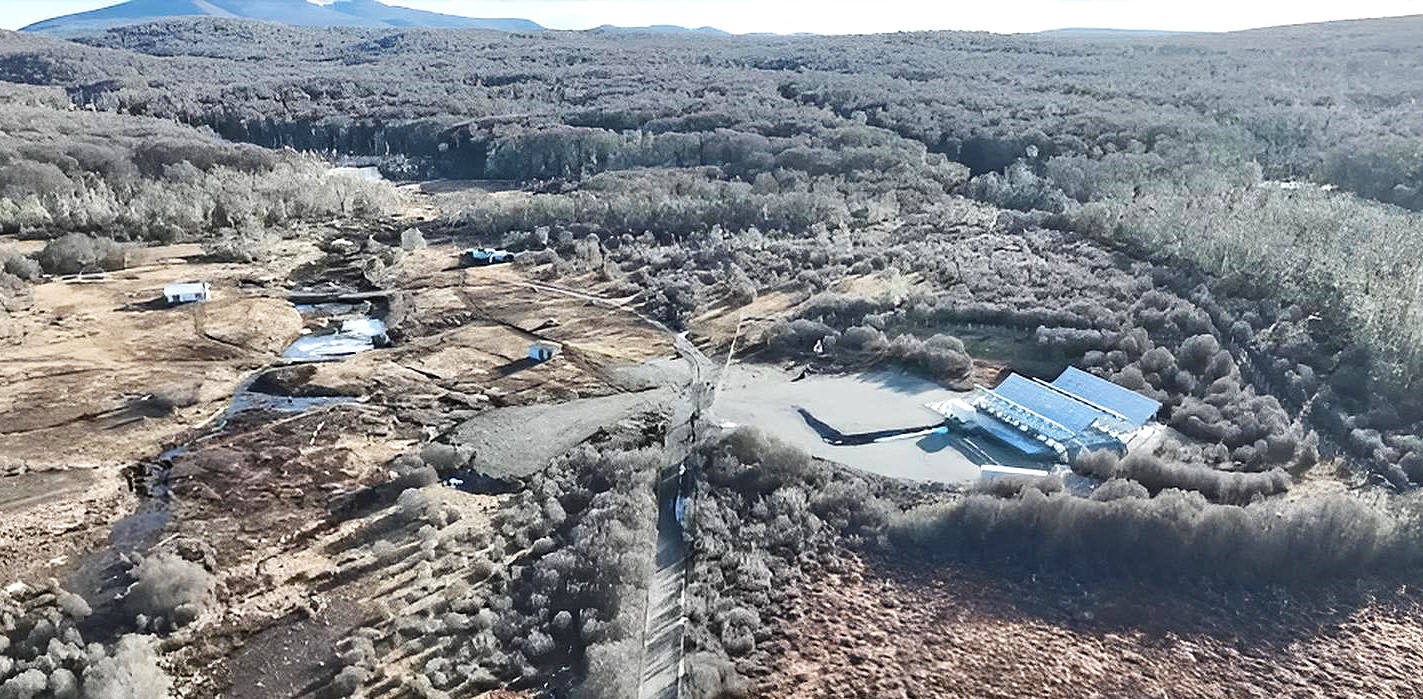
Este acuerdo británico ratifica sin ambigüedades la capacidad de función dual (científica y militar) de las estaciones de LeoLabs, incluida la instalada en la Estancia El Relincho de Tierra del Fuego, con la complicidad inicial del gobierno de Gustavo Melella. La resolución de Milei intenta, por la vía administrativa, desmentir lo que la propia empresa ha confirmado con el principal ocupante ilegal de las Islas Malvinas.
Soberanía bajo amenaza
El camino incierto abierto por la Resolución 151/2025 es un eslabón más en la cadena de cesiones a EEUU. que comprometen la soberanía argentina. El gobierno de Milei ya ha habilitado, mediante un DNU inconstitucionalidad y saltándose al Congreso, la realización de ejercicios militares estadounidenses en las tres principales bases navales de la Armada (Mar del Plata, Puerto Belgrano y Ushuaia), destinando millones para esta actividad.
La reactivación del radar de espionaje angloamericano en Tierra del Fuego, a un paso de Malvinas y la Antártida, sería la máxima expresión de la vulnerabilidad política, económica y financiera del gobierno libertario.
El estigma de la gestión Melella, que habilitó el radar, y la inacción del gobierno de Alberto Fernández, que no ordenó su desarme, dejan servida en bandeja una decisión histórica que, de concretarse, confirmaría la entrega de un territorio estratégico a intereses extranjeros, con el único fin de subsistir políticamente. La Resolución no pone un punto final, sino que abre una puerta peligrosa y crítica para el futuro de la Defensa Nacional.
Tags
Otras noticias de Nacionales
Milei manda tropas a Panamá sin autorización del Congreso y profundiza la subordinación al Comando Sur
CENSURA DIGITAL: NAVITAS VUELVE A BLOQUEAR EL ACCESO A SU WEB PARA LOS USUARIOS DE LA ARGENTINA
Argentina también denunció a Chile por la asistencia logística al HMS Medway en Punta Arenas