
La reanudación de las obras de la represa hidroeléctrica La Barrancosa (Gobernador Jorge Cepernic) en Santa Cruz, con financiamiento de la República Popular China, se erige como una contradicción flagrante para la política exterior del gobierno de Javier Milei, la cual ha estado marcada por un fuerte alineamiento con Estados Unidos y un compromiso explícito de reducir la influencia china en sectores estratégicos.
A tan solo una semana de un proceso electoral parlamentario de medio termino en la Argentina, donde Donald Trump —quien ha ratificado su apoyo financiero al plan de Milei— busca torcer proyectos de décadas y específicamente las inversiones chinas, esta confirmación del gobierno santacruceño reaviva una profunda tensión geopolítica en el tablero argentino.
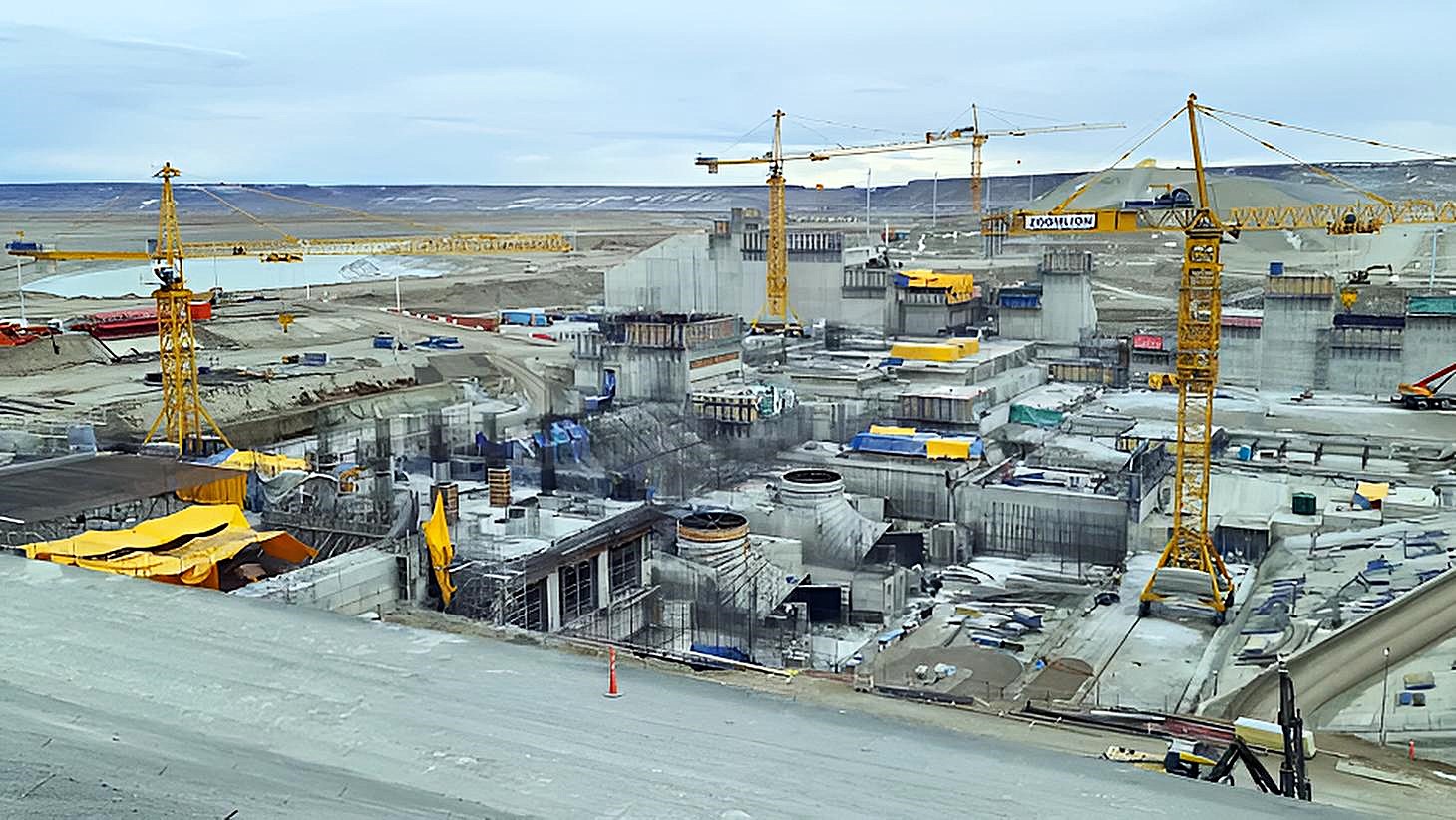
La noticia, difundida por el ministro de Energía y Minería de Santa Cruz, Jaime Álvarez, sobre la firma de la carta entre Energía Argentina (Enarsa) y entidades financieras chinas para el reinicio de las obras, choca de frente con la narrativa promovida por Washington. Estados Unidos ha condicionado un millonario apoyo financiero (cifrado en hasta 40.000 millones de dólares según trascendidos) a la Casa Rosada a cambio de un "enfriamiento" de los lazos con Pekín, incluyendo la revisión y potencial paralización de proyectos emblemáticos como las represas.
El Dilema de Santa Cruz
El proyecto hidroeléctrico sobre el río Santa Cruz, que incluye La Barrancosa y Cóndor Cliff (Néstor Kirchner), representa una inversión multimillonaria ($4.700 millones de dólares) financiada por China y es considerado una obra estratégica para la matriz energética nacional. Su reactivación, impulsada por el gobernador Claudio Vidal, de un signo político diferente al kirchnerismo que las ideó, no solo convoca a 2.600 trabajadores santacruceños, sino que también subraya el pragmatismo económico de la provincia, que necesita reactivar su economía a través de la infraestructura. Santa Cruz, un territorio clave para China también en inversiones portuarias y pesqueras, prioriza la generación de empleo y el desarrollo energético local por encima de las directrices geopolíticas nacionales.
El doble juego y riesgo financiero para los libertarios
Para el gobierno de Milei, la continuidad del proyecto chino en Santa Cruz representa un delicado ejercicio de equilibrio. Por un lado, se busca el vital oxígeno financiero de Estados Unidos, necesario para sostener su plan económico en un contexto de fuga de divisas. Por otro lado, la paralización total de las represas implicaría un costo financiero y legal altísimo con China, que además es un socio comercial clave y proveedor del swap de divisas (casi 18.000 millones de dólares) que sostiene las reservas del Banco Central.
El reinicio de La Barrancosa envía una señal de ambigüedad al trumpismo, que ve en estas inversiones chinas una "dependencia estratégica insostenible". La decisión provincial —que requiere la aprobación y la firma de la empresa estatal nacional (Enarsa)— sugiere que el gobierno central no está dispuesto, o no puede, romper por completo el statu quo con Pekín, demostrando que la necesidad de divisas y desarrollo de infraestructura a menudo se impone a la alineación ideológica en el complejo escenario de la geopolítica. La obra, iniciada por el kirchnerismo y suspendida por el macrismo, se convierte una vez más en el termómetro de la pugna de poderes mundiales en Argentina.
Tags
Otras noticias de Nacionales
TIERRA DEL FUEGO. LA PRINCIPAL DAMNIFICADA DE LA PESCA ILEGAL EN MALVINAS Y LA POLÍTICA NACIONAL
Scioli celebró en Mar del Plata a un crucero que promociona a Malvinas como territorio británico
Milei blinda bajo "secreto militar" una nueva compra armamentística


