
La historia en el Hemisferio Occidental se repite, pero esta vez con el brillo de los minerales del futuro. Una reciente investigación publicada por El Observador de Uruguay, revela el plan sistemático de la administración de Donald Trump para asegurar el control de los recursos naturales estratégicos de América Latina, en lo que representa una aplicación feroz y moderna de la Doctrina Monroe: "América (sus recursos) para los americanos (de Estados Unidos)".
El compendio de datos expone una red de alianzas, memorandos de entendimiento y presiones diplomáticas sobre países soberanos, con el único objetivo de blindar las cadenas de suministro de EE.UU. y contrarrestar el dominio de China. No es una cooperación al desarrollo; es una estrategia de apropiación disfrazada de diplomacia, que recuerda las épocas más oscuras del intervencionismo colonial en la región.
Richardson, Trump y la confesión de parte
Esta ofensiva no es una sorpresa para quien sigue la retórica de Washington. Ya la ex jefa del Comando Sur, la General Laura Richardson, había "sincerado" la postura estadounidense al referirse descaradamente a los recursos de la región (el Triángulo del Litio, el petróleo de Venezuela, el cobre, el agua dulce) como elementos de "seguridad nacional" para Estados Unidos.
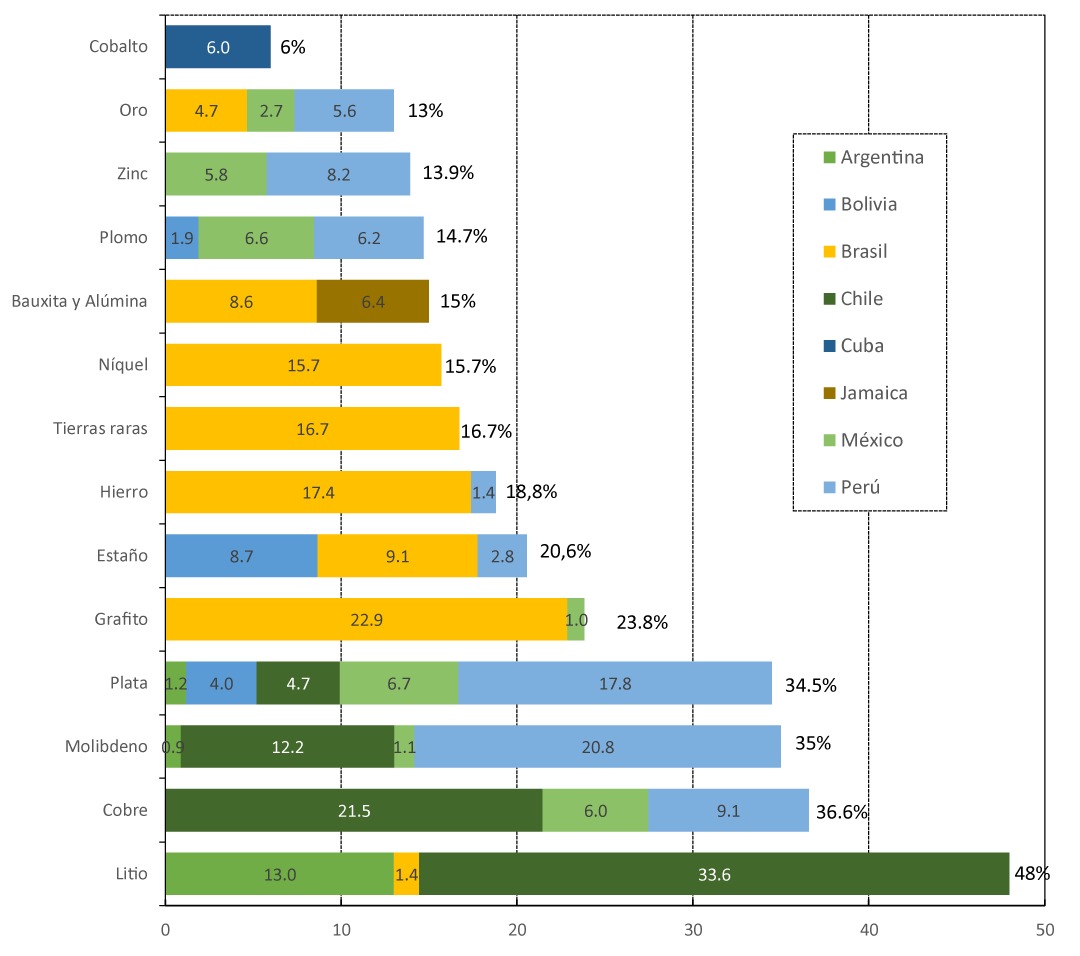
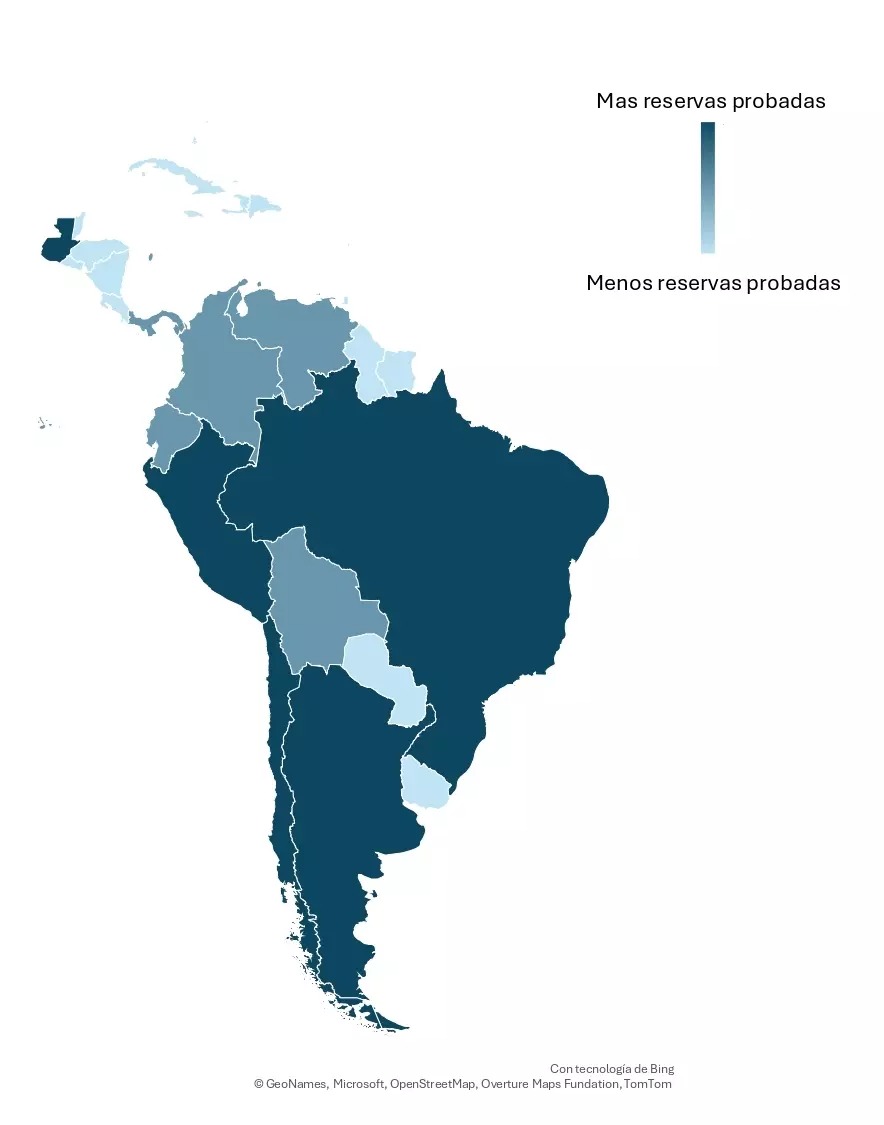
El propio Donald Trump y sus funcionarios no han hecho más que profundizar esta línea. La reciente "Reunión Ministerial sobre Minerales Críticos" en Washington, que congregó a 54 países, fue el escenario para formalizar este avance. Caleb Orr, secretario de Estado para Asuntos Económicos, Energéticos y Empresariales, confirmó a El Observador que el Hemisferio Occidental es un "eje central" porque concentra las mayores reservas mundiales de estos minerales, necesarios para la tecnología y, fundamentalmente, para el desarrollo militar estadounidense.
Bajo este esquema, se han lanzado iniciativas como FORGE (Foro de Participación sobre Recursos y Geoestrategia) y "Pax Silica", plataformas diseñadas para coordinar políticas, precios y proyectos, asegurando que el flujo de estos recursos vitales sea dirigido y controlado por Washington y sus aliados.
El Mapa de la Dependencia: País por País
La investigación detalla cómo Estados Unidos está "formateando" sus relaciones bilaterales en función de la riqueza geológica de cada nación:
Argentina y la Sumisión Total: Bajo el gobierno de Javier Milei, Argentina se ha convertido en el alumno modelo de esta nueva fase colonial. Washington ha firmado un acuerdo marco sobre minerales críticos y celebra el "gran liderazgo" de Milei en identificar proyectos prometedores de litio y cobre. El canciller Pablo Quirno fue parte de la "foto de familia" en Washington, consolidando una alianza estratégica donde Argentina pone el recurso y EE. UU. se lleva el beneficio, incluso gestionando el ingreso del país al exclusivo grupo "Pax Silica".
Venezuela y el Nuevo Tutelaje: Tras el giro político en Caracas, el secuestro del Presidente Nicolas Maduro y la instalación de un gobierno títere, Washington ejerce un control directo. El secretario del Interior, Doug Burgum, desembarcó en Caracas con representantes de gigantes mineras como Peabody Energy y Glencore. El objetivo es claro: acceder a las reservas de bauxita, níquel, oro y tierras raras, además del petróleo. La administración Trump ya avanza en una segunda fase para reformar la Ley de Minas venezolana, calcando modelos que abren el sector a la inversión extranjera incondicional.
Brasil y la Recomposición Pragmática: A pesar de las diferencias políticas, la administración Trump busca recomponer lazos con el gobierno de Lula da Silva, consciente de que Brasil es un "socio estratégico esencial" por sus reservas de tierras raras pesadas. La Corporación Financiera de Desarrollo Internacional de EEUU. (DFC) ya financia proyectos en Goiás (Serra Verde y Aclara). Washington no solo quiere el mineral, sino controlar el procesamiento, un eslabón clave hoy dominado por China.
Paraguay y la Base Militar-Industrial: El acuerdo con el presidente Santiago Peña va más allá de lo extractivo. El memorándum compromete a Paraguay a intensificar la cooperación para el suministro de minerales necesarios para "tecnologías avanzadas y de defensa" de EE.UU. Esto se complementa con la promulgación del acuerdo SOFA, que habilita la presencia temporal de personal militar y civil del Pentágono en territorio paraguayo, uniendo el saqueo de recursos con la presencia militar directa.
Perú, Ecuador y Bolivia: En Perú, Washington ha sellado un memorándum de entendimiento para acceder a cobre, litio y plata. En Ecuador, se firmó otro acuerdo marco para identificar proyectos de cobre y oro, bajo la excusa de la "resiliencia". Incluso en Bolivia, tras décadas de autonomía, el actual presidente Rodrigo Paz busca una "alianza sólida" con EE.UU. para atraer tecnología para el litio, con el explícito fin de "romper el monopolio chino".
Chile: El "Socio Preferido" bajo la Lupa del Pentágono
Si Argentina es el alumno modelo, Chile es el objetivo mayor por su volumen de producción. La administración de Donald Trump ha identificado al país trasandino no solo como un proveedor, sino como una pieza de "seguridad nacional" innegociable. Tras la asunción del nuevo gobierno de José Antonio Kast en marzo de 2026, el alineamiento con la Casa Blanca ha sido inmediato y profundo.
Apenas iniciado su mandato, Kast selló con el vicesecretario de Estado de EEUU., Christopher Landau, una declaración conjunta para la creación de un mecanismo de consultas técnicas permanentes sobre minerales críticos y tierras raras. Los puntos clave de la proyección estadounidense en Chile son:
- El Blindaje del Cobre y el Litio: Chile es el principal productor de cobre del mundo y posee un tercio de las reservas globales de litio. Washington busca, mediante el financiamiento de agencias como la DFC (International Development Finance Corporation), desplazar la histórica influencia china en las mineras chilenas, imponiendo "estándares de seguridad" que impidan a Pekín acceder a la producción estratégica.
- La Integración en la "Pax Silica": Al igual que el gobierno de Milei, el ejecutivo chileno ha iniciado gestiones para integrarse a esta alianza tecnológica-militar. Esto no es solo comercio: implica que los minerales chilenos alimentarán exclusivamente la infraestructura de Inteligencia Artificial y los sistemas de defensa avanzados de EE. UU. y sus aliados.
- Guerra por la Infraestructura: La proyección de EE. UU. en Chile incluye el veto a la tecnología china. Un ejemplo claro fue la presión para anular proyectos de cables submarinos de fibra óptica con empresas estatales chinas, argumentando "amenazas a la seguridad regional". Washington proyecta a Chile como un hub tecnológico dependiente de sus propias empresas de telecomunicaciones y energía.
- Control de Precios y "Pisos" Arancelarios: Funcionarios como Caleb Orr han delineado un plan para establecer "precios de referencia" a través de Pax Silica. El objetivo es que Chile no venda sus recursos al mejor postor (China), sino que los asegure para el mercado estadounidense bajo condiciones que Washington considera "justas", limitando la autonomía soberana sobre el valor de sus propios recursos.
En definitiva, la proyección sobre Chile busca cerrar el cerco sobre el Triángulo del Litio, garantizando que el corazón de la transición energética global sea administrado desde las oficinas del Departamento de Estado en Washington.
Un Futuro de Saqueo
El panorama del futuro inmediato, es el de una América Latina fragmentada y sometida a las necesidades de la potencia del norte. La supuesta "preocupación" de EEUU. por los "altos estándares" o la "minería ilegal" es solo la retórica necesaria para desplazar a China e imponer sus propias reglas de juego.
La Doctrina Monroe goza de buena salud en pleno siglo XXI. Mientras los países de la región sigan entregando sus recursos estratégicos sin una visión soberana y de integración regional, seguirán siendo el "patio trasero" donde se extrae la riqueza para financiar el desarrollo y el poderío militar de otros.
Tags
Otras noticias de Internacionales
El primer ministro británico acordó con Kast cooperar en defensa y blindar la "autodeterminación" en Malvinas
Gran Bretaña ofrece a Chile fabricar las fragatas de combate de la Royal Navy
Por el petróleo en Malvinas el Tribunal del Mar convocó a audiencias para el 10 y 11 de noviembre


