Por Daniel Guzmán Director de Agenda Malvinas
La visita del presidente chileno José Antonio Kast a Buenos Aires en el mes de abril, pretendió instalar la imagen de hermandad y apoyo trasandino al reclamo por Malvinas. Sin embargo, la armonía duró lo que tardó el mandatario vecino en aterrizar nuevamente en Santiago. Los hechos posteriores, han devuelto la relación al terreno de la normal desconfianza mutua, alimentada por la influencia británica y sectores de la política chilena, que; recortando expresiones del Jefe del Servicio de Hidrografía Naval de la Argentina, Contralmirante Hernán Montero; pretenden darles una nueva interpretación a los acuerdos binacionales entre ambos países, respecto a la división limítrofe en la boca oriental del Estrecho de Magallanes, desde 1881 a la fecha.
En el marco de un debate sobre la vigilancia de los espacios marítimos, el Contralmirante Montero no hizo más que describir la realidad geográfica del paso bioceánico: “La boca del Estrecho de Magallanes es argentina”, dijo.
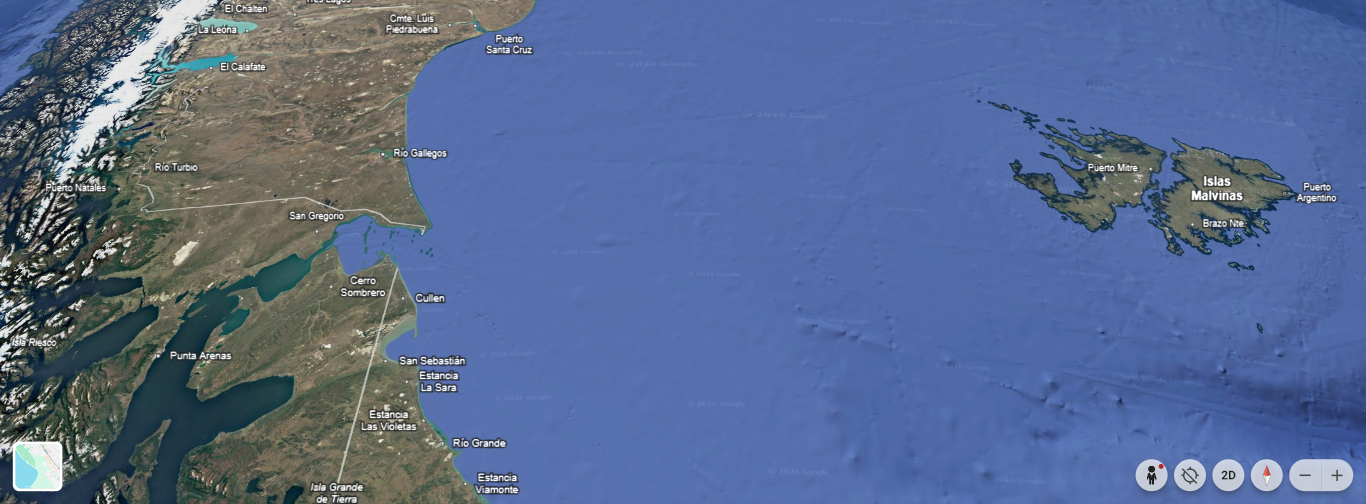
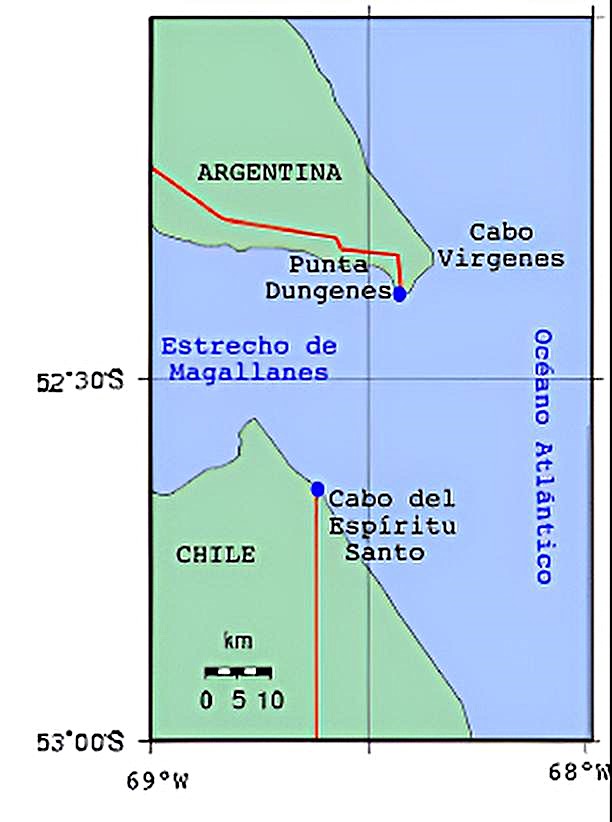
Sus expresiones no se limitaron a una frase aislada. Montero fue preciso al definir que el espacio que une -hacia el Este-, Punta Dungenes con Cabo Vírgenes, es territorio nacional. El eje de su planteo fue sobre la seguridad náutica, donde argentina tiene todo el derecho de ejercer un control efectivo de lo que entra y sale del Estrecho. Si bien, hacia el Oeste de Punta Dungenes, el practicaje es administrado por Chile; poseer una presencia activa de monitoreo de un tráfico vital para nuestra seguridad nacional, es indiscutible. Más aún, teniendo al frente desde 1833; un enclave colonial británico en las Islas Malvinas.
La reacción chilena: El miedo al mapa
En Santiago, la respuesta fue inmediata. Senadores como Alejandro Kusanovic y la diputada Zandra Parisi, entre otros; calificaron los dichos del marino argentino, como una "pretensión territorial" que vulnera el Tratado de Paz y Amistad (TPA) de 1984. Y para ello se aferran a una abstracción: la línea imaginaria que une Punta Dungeness con el Cabo del Espíritu Santo. La cual, para estos intérpretes chilenos; esa línea debe funcionar como un muro que borre hacia el Este, la geología continental. Lo que está más allá de Dungeness, no existe. Está, pero no existe. Podes caminar por su costa y por sus acantilados, pero es solo un ensayo de la imaginación.
Tratados vs. Geología: Una tensión artificial
Quienes conocemos todos los tratados y también los puntos fronterizos de la Patagonia Austral y de la Isla Grande de Tierra del Fuego, no podemos negar la existencia de sucesivos acuerdos que establecieron coordenadas y líneas divisorias imaginarias. Sin embargo, ellas no dejan de ser una convención entre los dos países, frente a la realidad de una continuidad geomorfológica de Sudamérica que va más allá de la frontera con Chile y de la misma costa del paso bioceánico que contornea el mar argentino y se proyecta hacia el Atlántico.
Los diferentes tratados no son otra cosa que acuerdos políticos y diplomáticos de límites, que no puede anular la realidad física. En tanto los tratados establecen protocolos de reconocimientos soberanos, como también jurisdicciones administrativas y políticas de una y otra nación; la geología demuestra que Argentina es un Estado ribereño del sistema del Estrecho. La costa de Santa Cruz y de Tierra del Fuego son los pilares físicos de esa boca oriental. Cuando Argentina habla de la "Boca Oriental", hace referencia a la continuidad del paso bioceánico, cuya definición y mención está más allá del reconocimiento permanente sobre la legitimidad de los acuerdos. No es un acto de pretensión territorial; es la calificación de lo que, con clara evidencia geológica; es la entrada de un canal marítimo entre dos océanos.
Esos sectores de la política y la diplomacia chilena, no deberían pelearse ni con la geología, ni con la historia, ni con los textos de los sucesivos tratados desde 1881 en adelante. Intentar "borrar" a la Argentina de la entrada al paso bioceánico carece de fundamento político, diplomático y científico.
Malvinas y el Estrecho: La equidistancia colonial
El Estrecho de Magallanes se encuentra en el mismo paralelo de las Islas Malvinas; un asunto que no es un detalle menor. Se trata de una vía marítima utilizada principalmente por Chile y Gran Bretaña para mantener vinculaciones estratégicas, militares y económicos sobre las cuales este sector de la política trasandina no se escandaliza. Por allí navega —con bandera ilegal británica de las Falklands— el rompehielos RRS Sir David Attenborough.
La diplomacia británica es la que azuza esta pelea. Londres necesita a un Chile paranoico para que siga siendo su aliado logístico, militar y comercial. Solo para este 2026, las Fuerzas Armadas chilenas ya tiene pactadas 60 actividades conjuntas de defensa, con el Reino Unido. Esa es una verdadera amenaza para la soberanía regional, no la descripción técnica de una boca marítima.
Argentina no está rompiendo tratados; está nombrando la geografía de un sector continental e insular que le pertenece por naturaleza y que es clave para la vigilancia del Atlántico Sur.
Por su parte, “estos” de la política trasandina; deben dejar de ver fantasmas en los mapas argentinos y dar explicaciones respecto a cómo se conjuga el apoyo en los foros internacionales a favor de Argentina por Malvinas y por el otro, ser el principal socio de Gran Bretaña en América del Sur y a quien todos los años, habilitan sus puertos y aeropuertos para cientos de operaciones aéreas y marítimas hacia el archipiélago argentino usurpado y hacia la Antártida.
Para la Argentina, la soberanía de las Islas Malvinas y la seguridad del Estrecho son las dos caras de la misma moneda. Donde la necesidad de control se acrecienta, a partir de las decisiones que toman los gobernantes de Chile -no su pueblo-, al someterse al juego que le impone la Corona Británica.
Tags
Otras noticias de Nacionales
Legisladores y organizaciones coinciden en la responsabilidad Melella en no desarmar el radar británico
Taiana volvió a responsabilizar a Melella por la presencia del radar británico en Tierra del Fuego
La Nación explica cómo la “Ley de Soberanía” de Milei avanza sobre la libertad de prensa y los consensos democráticos