La política fueguina asiste a una maniobra de "realismo mágico" administrativo. El gobernador Gustavo Melella, quien hace semanas califica de "inútiles" y "apropiadores" a los funcionarios de Javier Milei, acaba de desempolvar un proyecto que su propia gestión había bochado por inviable: el puerto turístico del Grupo Mirgor.
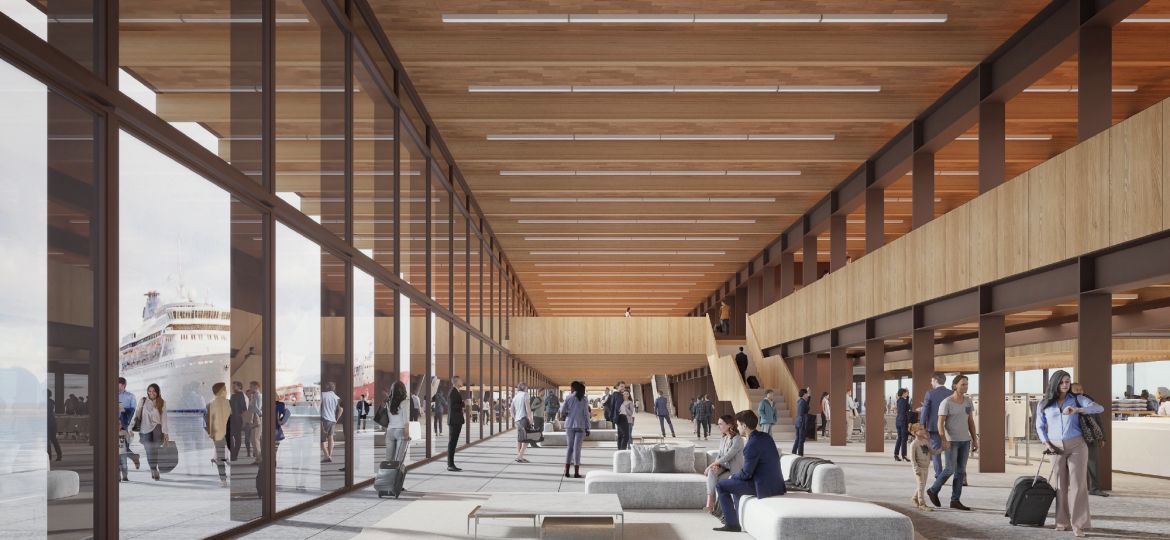
En agosto del año pasado Agenda Malvinas le preguntó a un alto funcionario del DPP, respecto a qué había sucedido para que no aprobaran el proyecto de obra presentado por la empresa de Caputo, y esto nos decía: “Nosotros no lo bochamos. Le dijimos que venga a ver acá "In situ". Lo que diagraman desde los cómodos sillones de Buenos Aires sin pensar lo que es funcional y lo que hay debajo del suelo y mucho menos, desconociendo la operación en un lugar donde la condición climática es severa... Entonces los recibimos y solo se dieron cuenta que era una cagada”.

Santiago Caputo; el uno-dos, en la construcción política del presidente Javier Milei, a la par de Karina Milei.
Al declarar el propio Melella días pasados, de interés estratégico la terminal de Nicolás "Nicky" Caputo —primo hermano del actual Ministro de Economía de la Nación, Luis "Toto" Caputo y tío de Santiago Caputo, mano izquierda del Presidente Javier Milei—, el gobernador parece intentar una carambola política: usar al empresario más cercano al poder central como un puente para destrabar la intervención que hoy asfixia su caja política y su mando operativo.
De "proyectos de escritorio" a prioridad estratégica
Queda claro que, en agosto de 2025; la Dirección Provincial de Puertos (DPP) rechazó formalmente el diseño portuario de Mirgor. En aquel entonces, los técnicos fueguinos fueron lapidarios: el proyecto había sido diseñado en oficinas de Buenos Aires sin un solo estudio geológico del subsuelo marino del Canal Beagle. Era una edificación "en el aire", sin sustento estructural para las complejas corrientes y profundidades de la costa fueguina.
Sin embargo, hoy, con el interventor Juan Avellaneda sentado en el muelle y la fiscalía federal exponiendo los "defectos" de la provincia en su intento fallido de recuperar judicialmente el Puerto, el Gobierno de Melella decide que ese mismo proyecto es ahora una prioridad urgente. Las preguntas son obvias: ¿Mirgor presentó un nuevo proyecto de ingeniería y de obra diferente al del año pasado? ¿Cambiaron las condiciones del suelo marino? ¿o cambió la necesidad política de Melella de congraciarse con el clan Caputo?
El factor tiempo: La intervención que sobrevivirá a Melella
La jugada o manotazos de ahogado de Gustavo Melella, tiene un trasfondo cronológico crítico. La intervención nacional, iniciada el 21 de enero de 2026, tiene un plazo inicial de un año con prórroga a dos. Esto significa que la Nación se propone tener el control legal del puerto hasta el final del mandato de Melella y el cierre del primer periodo de Milei.
Ante este escenario, el “rereanuncio” por parte de Melella de la inversión de Mirgor aparece como un intento de recuperar el manejo del puerto a través de esta inversión privada. Si el gobernador logra que el proyecto de Caputo avance, fuerza a la intervención nacional a negociar o a retirarse para no obstaculizar al "primo del Ministro".
Los interrogantes de una soberanía hipotecada
1. ¿Doble comando o entrega?: El propio Roberto Murcia admite que la intervención impide realizar obras públicas. ¿Cómo piensa entonces ejecutar una obra privada de 6.800 m² sin el aval de los "apropiadores" de la ANPyN?.
2. El "negocio" entre líneas: En su discurso del 1 de marzo ante la Legislatura, Melella acusó a los libertarios de hacer negocios con los "Kukas". ¿Es el puerto de Mirgor el punto de encuentro donde se terminan las "medias tintas" ideológicas para pasar a los negocios de familia?
3. Inseguridad técnica: Si el proyecto fue rechazado por falta de información geológica y/o deficiencia en su ingeniería, ¿quién garantiza ahora la seguridad de una terminal que recibirá miles de turistas? ¿O acaso la urgencia por "sacar a la Nación" justifica construir sobre cimientos de barro?
El Puerto de Ushuaia ha dejado de ser una cuestión de soberanía para ser una mesa de póker de la política y los negocios. Melella apuesta fuerte al apellido Caputo para intentar que la Nación le devuelva la llave del muelle. Pero el riesgo es altísimo: si la jugada sale mal, la provincia no solo habrá perdido el puerto público a manos de la intervención, sino que habrá entregado la jurisdicción marítima a un holding privado bajo condiciones técnicas que hace apenas seis meses descalificaba con el rótulo de peligrosa.
Tags
Otras noticias de Tierra del fuego
La Jueza Federal de Río Grande ordenó a Rockhopper y Navitas paralizar las obras en Malvinas
Seis horas en Ushuaia: la trastienda del desembarco de Quirno y Presti por la Base Naval Integrada
Hay una rotación permanente de marines estadounidenses en unidades militares de Tierra del Fuego