La política suele dirimirse en despachos y discursos, pero la pérdida de la soberanía operativa del Puerto de Ushuaia se escribió sobre planos de ingeniería y pericias contables; donde los máximos responsables están dentro de la gestión del Gobernador Gustavo Melella.
Si la PARTE 1 de esta investigación detalló el origen del conflicto financiero, esta segunda entrega revela la fundamentación técnica "irrefutable" que la Nación utilizó para ejecutar lo que en los pasillos de la Casa de Gobierno fueguina califican -victimizándose con falsa inocencia-, como un desapoderamiento.
El Sitio 3: Un muelle sostenido por el aire
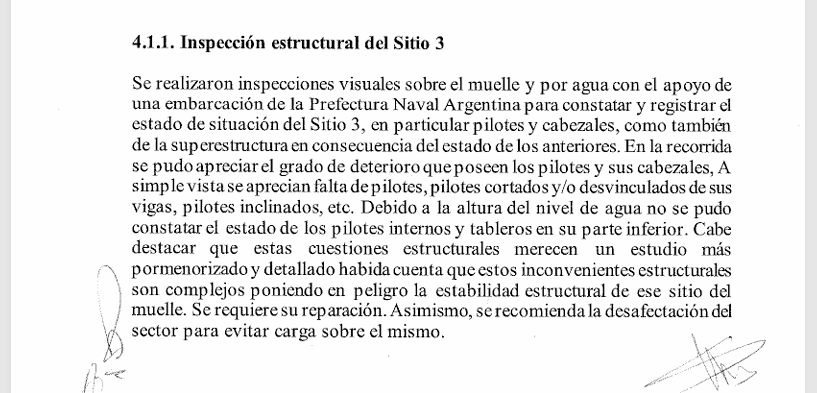
El dato más alarmante del informe de la Agencia Nacional de Puertos y Navegación (ANPyN), liderado en el área técnica por el ingeniero Ariel Cherubini, se centra en el estado estructural del muelle. Durante la inspección subacuática y de superficie, los técnicos detectaron que el Sitio 3 presenta un deterioro terminal.
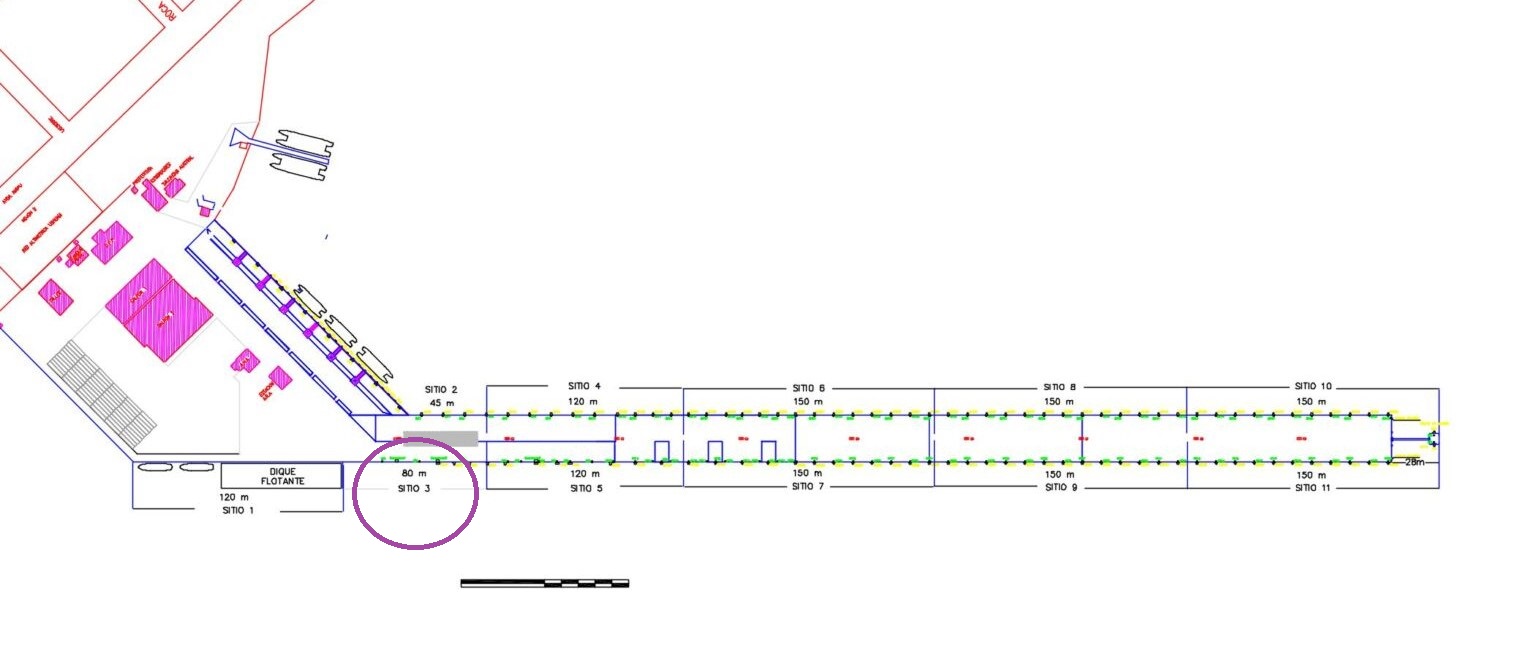
El informe detalla la existencia de pilotes de soporte cortados, colapsados o directamente inexistentes. Esta situación no es solo un problema de mantenimiento; es una amenaza directa a la seguridad de la navegación y de la vida humana. En una temporada donde se esperan más de 550 recaladas de cruceros de gran porte, operar un muelle con su base estructural comprometida es, según la ANPyN, un acto de "irresponsabilidad operativa" que justifica la intervención inmediata por "peligro inminente".
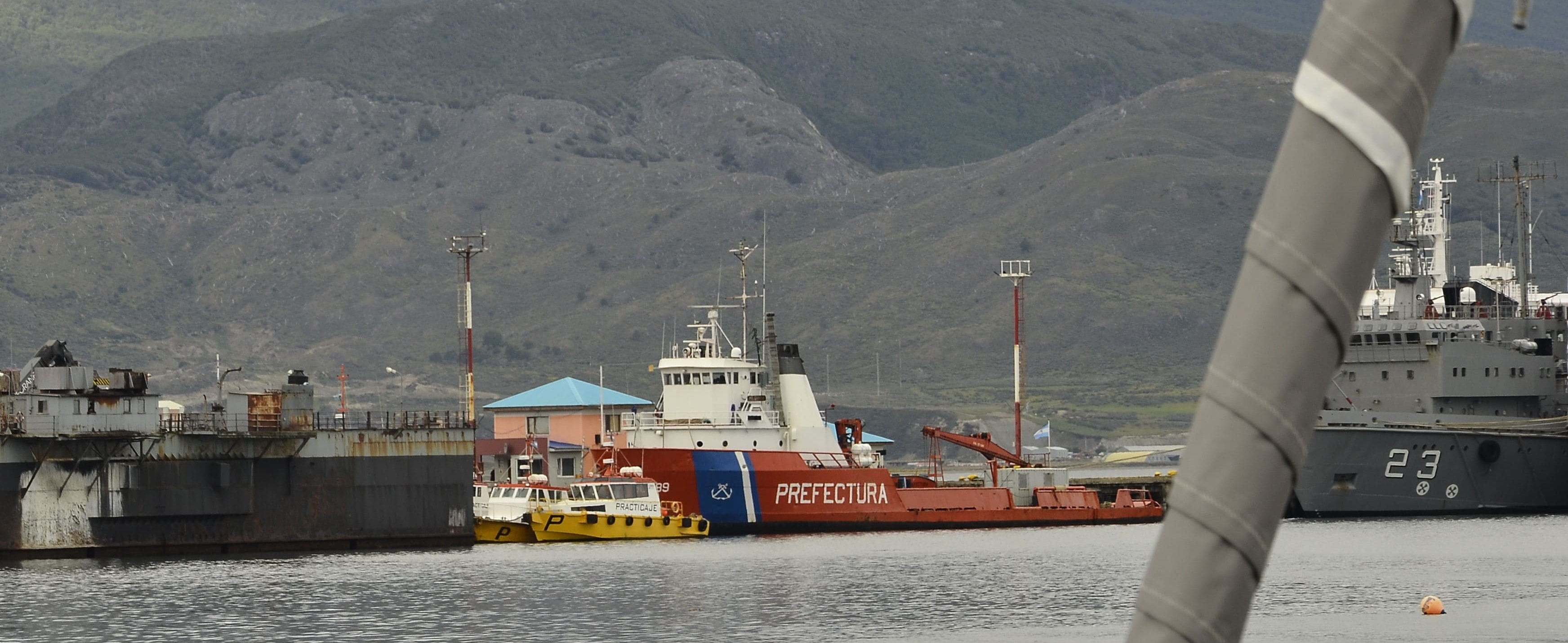
Como puede apreciarse, ayer; en el SITIO 3 de encontraban amarradas dos lanchas de practicaje y un barco de la Prefectura Naval Argentina.
Un puerto a ciegas
Pero los pilotes no son el único problema. El equipo encabezado por Darío Grossi (Operaciones) y Carlos Sposaro (Seguridad) constató que el puerto de la capital fueguina carece de las medidas mínimas exigidas por convenios internacionales.
- Sistemas Contra Incendios: Se verificó que las redes de incendio, monitores y extintores se encuentran fuera de servicio o con mantenimiento vencido. Ante un siniestro en un buque con miles de pasajeros, el puerto no tiene capacidad de respuesta autónoma.
- Hombre al Agua: Las alarmas de emergencia sonora y lumínica para casos de caída al mar están inoperativas, una falla crítica considerando las condiciones climáticas extremas del Canal Beagle.
- Código PBIP: El incumplimiento del Código Internacional para la Protección de los Buques y de las Instalaciones Portuarias es casi total. Cámaras de seguridad que no funcionan, perímetros vulnerables y un control de accesos que el informe califica de "deficitario".
La estocada final: La Nota NO-2025-139247837
Con este arsenal de fallas técnicas y el desvío de $1.411 millones bajo el brazo, Iñaki Arreseygor firmó el pasado 16 de diciembre el fin de la autonomía de la Dirección Provincial de Puertos (DPP), de Tierra del Fuego.
El documento oficial establece tres puntos que cambian la historia de la provincia:
1. Intervención por 12 meses: La Nación asume el control operativo y administrativo para "garantizar la seguridad y la finalidad pública del puerto".
2. Personal "a disposición": La Nación no transfiere al personal, sino que obliga a la provincia a poner a todos sus empleados idóneos "a disposición" de las autoridades nacionales. Es decir, los fueguinos seguirán pagando los sueldos, pero las órdenes las dará Buenos Aires.
3. Plan de Regularización: El levantamiento de la medida no es automático. La provincia deberá presentar un plan que sea aprobado y supervisado por la ANPyN, lo que le da al Gobierno Nacional el poder de veto sobre cualquier obra futura.
El "Poder de Policía" como arma política
La fundamentación legal se apoya en el Artículo 23 del Decreto N.º 769/93 y la Ley N.º 24.093. Según Nación, el cuadro relevado "excede las atribuciones correctivas ordinarias". En términos llanos: la provincia demostró no ser capaz de cuidar su activo más preciado, y la Nación, en nombre de la "seguridad nacional" y el "interés público", decide quitárselo.
El impacto es devastador para la proyección antártica de Tierra del Fuego. Justo cuando la provincia debería estar liderando la logística del Atlántico Sur, queda reducida a un espectador de su propio puerto, pagando la nómina salarial de una estructura que ya no comanda.
En la tercera y última entrega de esta serie, analizaremos la "cara B" de esta intervención: las graves denuncias de la gestión Melella, sobre el "apriete" de la Prefectura Naval, los intereses del Grupo Mirgor, el supuesto rol del intendente Walter Vuoto y el regreso de los apellidos vinculados al peronismo menemista de los 90.
Tags
Otras noticias de Tierra del fuego
En el medio de la emergencia permanente, arribó el equipamiento chino para la nueva usina de Ushuaia
Tierra del Fuego se propone frenar el remate y la extranjerización de su territorio provincial
La soberanía también se enseña