El ilegítimo gobierno colonial británico ha puesto en marcha una cínica maniobra de blanqueamiento histórico en las Islas Georgias del Sur, territorio argentino usurpado. La estrategia consiste en transformar el símbolo de una de las masacres ecológicas más grandes del mundo –en las ruinas de la industria ballenera– en un atractivo turístico rentable y en un "museo" que romantiza la historia de la explotación de la vida marina más cruel que la civilización tenga memoria.
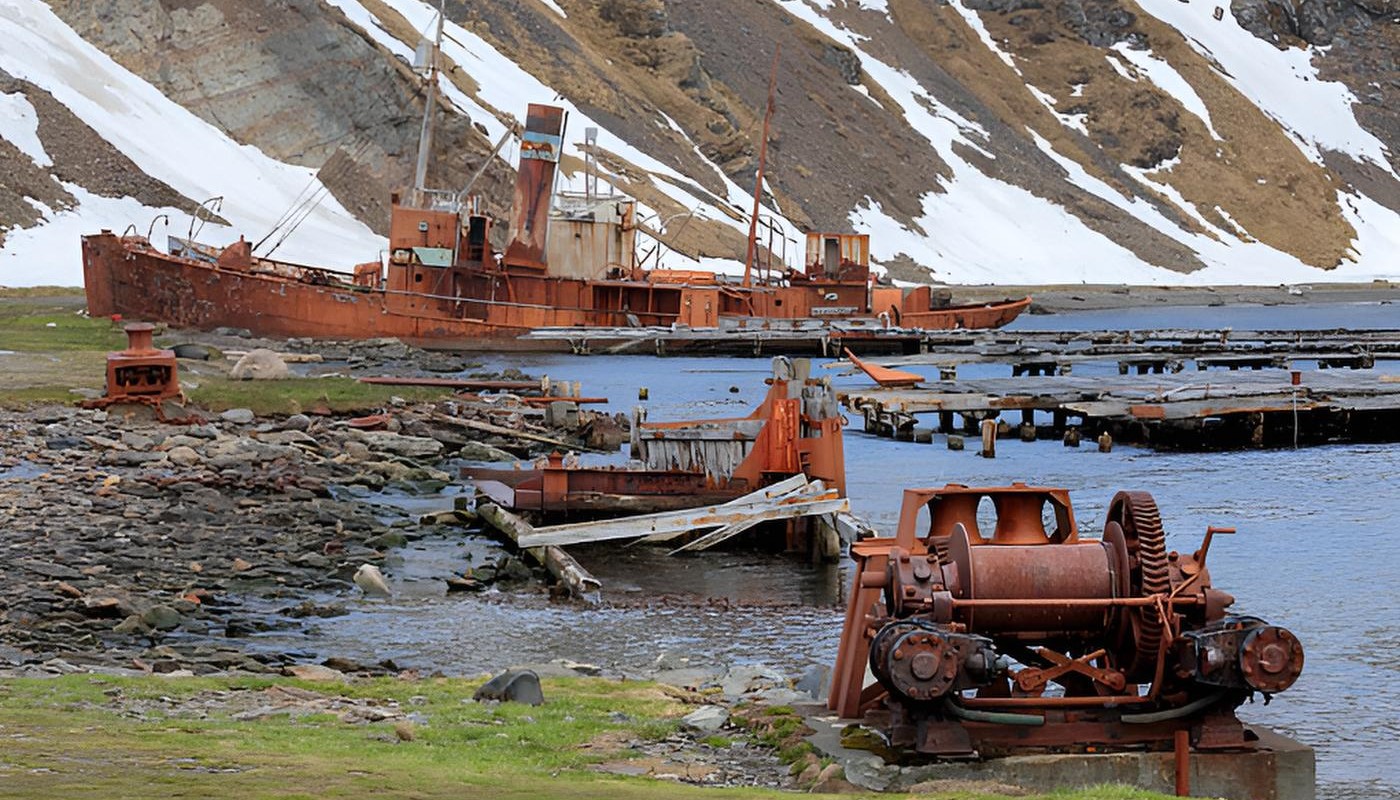
La noticia, difundida por el medio probritánico Mercopress, detalla el proyecto para restaurar la estación ballenera de Stromness y, más polémico aún, instalar un "memorial artístico" en Grytviken.
Grytviken: Donde se inició el genocidio y yace la tumba de un Héroe Argentino
El centro de este plan es la estación de Grytviken. No es un lugar cualquiera: fue allí donde la industria ballenera se estableció por primera vez en Georgia del Sur en 1904, iniciando el período de depredación que condujo al exterminio de la fauna marina.
Hoy, las propias fuentes británicas admiten que este proceso terminó con la vida de 175.000 cetáceos.
Pero Grytviken también tiene otra memoria para Argentina. Es el lugar donde, en 1982, se libró la Batalla de las Georgias del Sur, un enfrentamiento clave durante la Guerra de Malvinas. Y es allí donde aún yace, en su tumba póstuma, el Suboficial Primero de la Armada Argentina, Félix Artuso, caído heroicamente en combate.
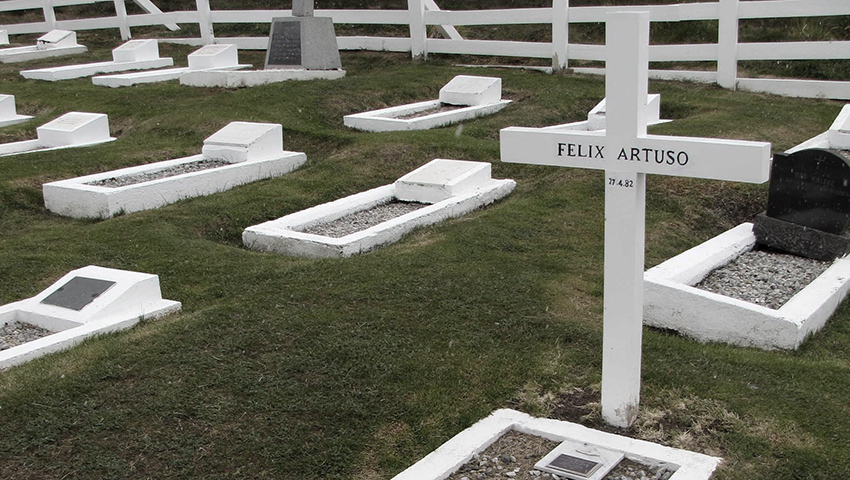
Es en este sitio, que conjuga el inicio del genocidio ecológico con la sangre de un héroe argentino, donde el Reino Unido planea colocar una obra de arte para el turismo, disimulando su responsabilidad histórica:
1. Capitalizar la Tragedia: El "memorial" a la matanza de 175.000 ballenas no es solo un recordatorio, sino un producto diseñado para atraer a los 15.000 visitantes anuales que recibe la isla. Se monetiza la aniquilación al crear un "turismo de la conciencia".
2. Borrar la Responsabilidad: El Reino Unido, que autorizó y lucró con el aniquilamiento de las poblaciones de Ballena Azul, Jorobada y Franca Austral en el Atlántico Sur, ahora se presenta como el "protector" de estas especies.
La restauración de la estación ballenera de Georgia del Sur no es un acto de memoria histórica. Es una operación de marketing colonial que busca legitimar la ocupación y transformar un sitio de genocidio ecológico en un espectáculo para turistas.
Tags
Otras noticias de Atlántico Sur
Milei se prepara para visitar el jueves al USS Nimitz
El USS Nimitz cruzó el Estrecho de Magallanes y ya navega por el Atlántico Sur
Un A400M británico operó entre Montevideo y Malvinas con maniobras evasivas