Los primeros seis cazabombarderos F-16 Fighting Falcon ya están en suelo argentino. Las aeronaves, provenientes de Dinamarca tras una compleja travesía logística transatlántica, aterrizaron esta tarde en la Base Aérea de Las Higueras, a pocos kilómetros de la ciudad de Río Cuarto. Culminando así, un operativo logístico sin precedentes y devolviendo a la Fuerza Aérea Argentina (FAA) una capacidad supersónica perdida desde 2015, tras la desprogramación de los últimos Mirage.
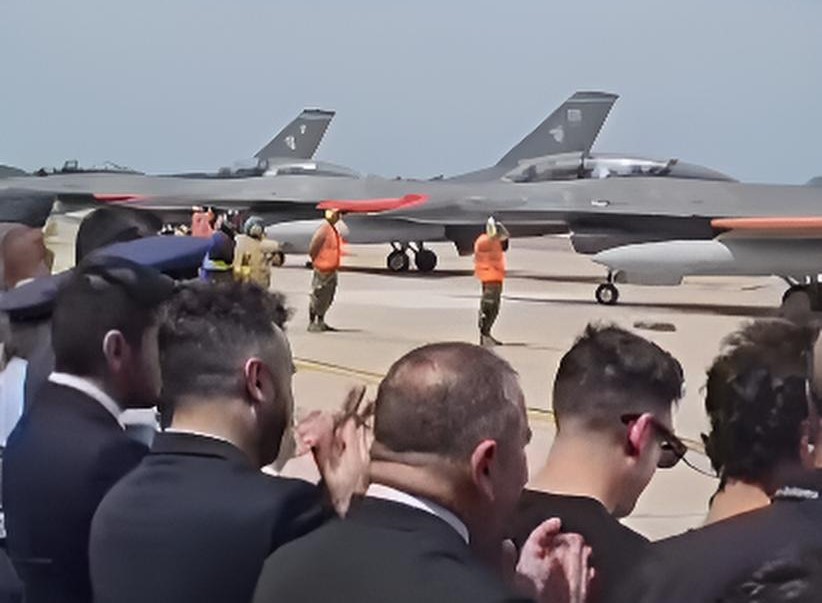
El gobierno ha dispuesto una presentación de alto impacto. Originalmente, se preveía que el domingo las aeronaves realizaran un sobrevuelo sobre la Casa Rosada, la Plaza de Mayo y el microcentro porteño, un claro gesto de reafirmación nacional. Sin embargo, el acto oficial de recepción en Córdoba, con la presencia del presidente Javier Milei, se ha adelantado para mañana sábado debido a las previsiones de malas condiciones meteorológicas, manteniendo el programa de una exhibición estática y protocolar de las nuevas unidades.
El ministro de Defensa saliente, Luis Petri, ha calificado esta adquisición como la más significativa en cuatro décadas, enfatizando su rol "absolutamente necesario" para la custodia del espacio aéreo. La narrativa oficial se centra en la modernización de la FAA, que recibirá 24 unidades modernizadas con radar de largo alcance en lotes hasta 2026.
Interrogantes Críticos: El Costo y el Alcance Real de la Inversión
No obstante, más allá de la parafernalia del recibimiento y los discursos de celebración, persisten serios cuestionamientos que ensombrecen la oportunidad del festejo y ponen en duda la sustentabilidad operativa real de la millonaria inversión.
Una de las voces críticas más resonantes es la del teniente general (R) Juan Martín Paleo. Sus advertencias apuntan a una realidad institucional asfixiante: el magro presupuesto castrense. Según los cálculos más pesimistas, las restricciones financieras podrían reducir las sofisticadas unidades a "activos testimoniales". El ex militar señala que la crónica estrechez económica apenas permitiría unas pocas horas de vuelo anuales por cada avión, neutralizando su valor disuasivo y estratégico.
Esta crisis financiera se superpone a la existencia de una infraestructura aeronáutica que arrastra décadas de desinversión. Si bien se han realizado obras de reacondicionamiento en Tandil y Río Cuarto, las carencias en pistas, hangares y equipamiento de apoyo son una contradicción flagrante con la fastuosidad del anuncio.
La sombra de la limitación diplomática
El cuestionamiento más profundo, y que toca el núcleo de la política de defensa, se relaciona con una presunta limitación diplomática en torno a las Islas Malvinas.
El teniente general Paleo acusó públicamente a funcionarios de la actual gestión argentina, de haber brindado garantías al Reino Unido de que estos F-16 no constituirán una amenaza para sus intereses en el Atlántico Sur.
De confirmarse esta aseveración, se socavaría por completo la narrativa soberanista que envuelve la compra. Los aviones se reducirían, en términos del ex militar, a una "arma castrada", desprovista de la capacidad de proyectar poder real sobre el territorio usurpado de Malvinas. Esta presunta concesión, sumada a la celeridad en ejercicios conjuntos con potencias extranjeras frente al abandono de proyectos estratégicos nacionales, dibuja un cuadro de política de defensa errática y dependiente.
El verdadero desafío, más allá del sobrevuelo
El gobierno celebra un logro material innegable y necesario tras décadas de deterioro militar. Sin embargo, la combinación de estrechez financiera crónica y las promesas de concesiones estratégicas a EEUU., plantea una incómoda paradoja: se exhibe con orgullo una herramienta de defensa cuya capacidad operativa plena y marco de empleo estratégico permanecen bajo un manto de dudas.
El verdadero examen de la política de defensa no será el espectáculo aéreo del fin de semana, sino la capacidad de garantizar el sostenimiento presupuestario para el mantenimiento, el entrenamiento intensivo de pilotos y, fundamentalmente, la definición del rol estratégico que estos cazabombarderos cumplirán en la reafirmación de los espacios soberanos. De no lograrlo, la fastuosa llegada de los F-16 correrá el riesgo de convertirse, simplemente, en una memorable foto de potencia ilusoria.
Tags
Otras noticias de Nacionales
La consultora Vox Populi detectó un apoyo mayoritario a las medidas de Milei sobre Malvinas, pero con fuerte sospecha electoral
La comisión investigadora por el radar británico, abre en Buenos Aires las testimoniales a exfuncionarios de Alberto Fernández
MALVINAS COMO COARTADA: MILEI PRETENDE LA SUMA DEL PODER PÚBLICO BAJO UN RÉGIMEN DE EXCEPCIÓN PERMANENTE