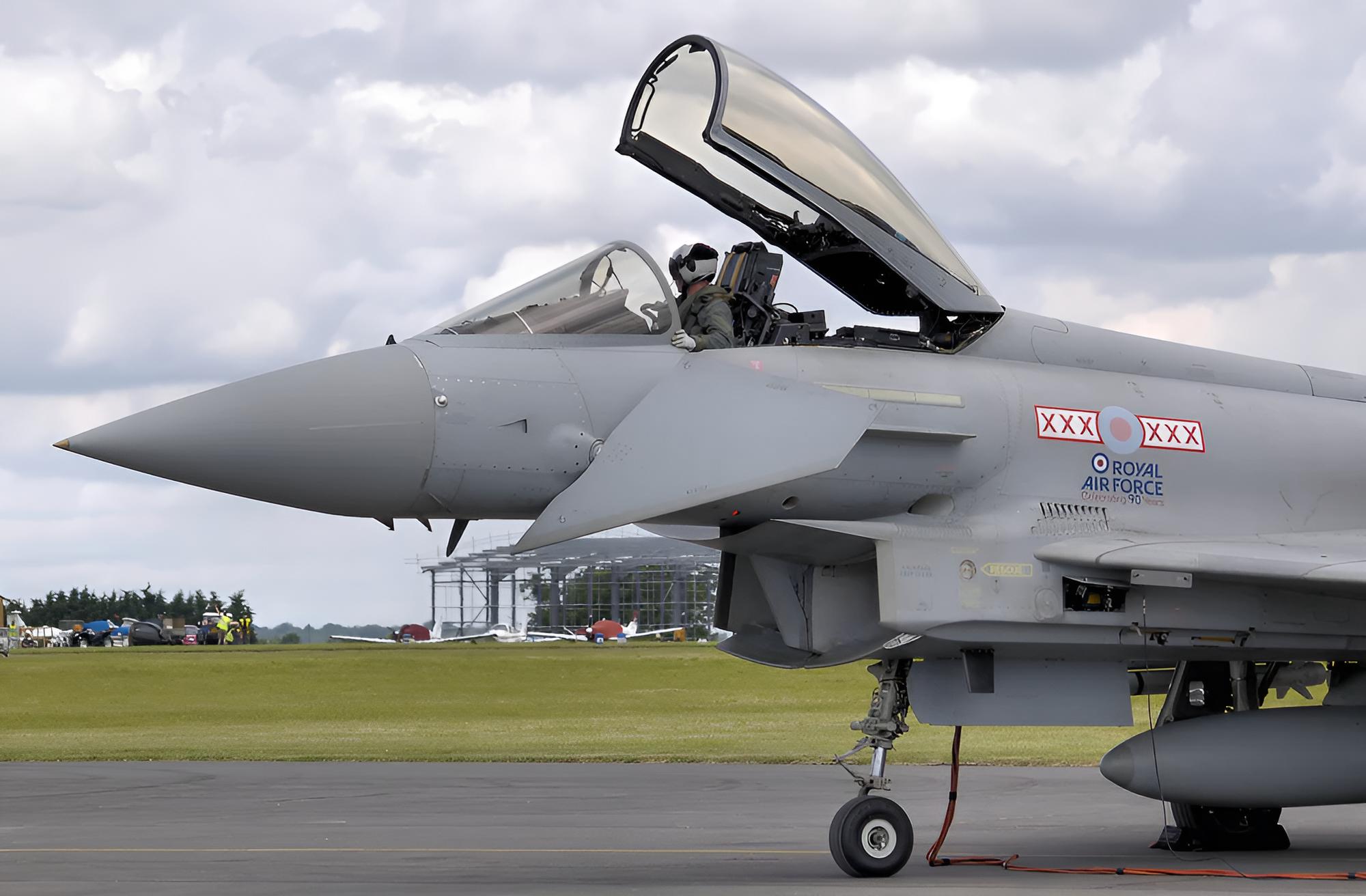
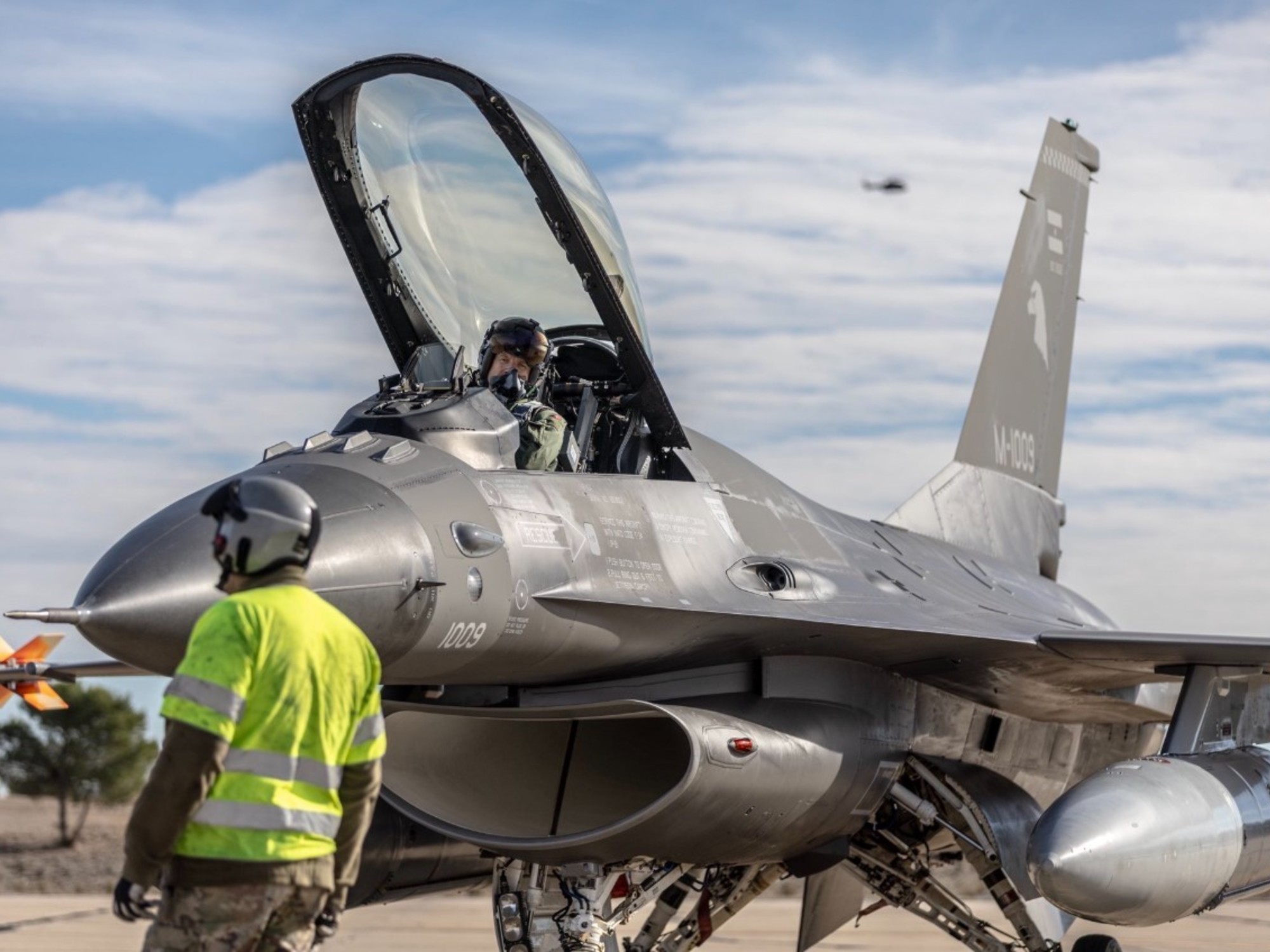
La pregunta sobre la capacidad del F-16 argentino para modificar la ecuación en el Atlántico Sur se responde comparándolo directamente con el principal avión de combate que el Reino Unido mantiene desplegado permanentemente en la Base Aérea de Monte Agradable / Mount Pleasant en las Islas Malvinas: el Eurofighter Typhoon.
La comparación no es entre aviones de la misma generación, lo que revela la magnitud del desafío militar que enfrenta la Fuerza Aérea Argentina, sino en la tecnología.
|
Característica |
F-16A/B Block 15 MLU (Argentina) |
Eurofighter Typhoon FGR4 (Reino Unido - Malvinas) |
|
Generación |
4ª Generación (Modernizado) |
4.5ª Generación Avanzada |
|
Rol |
Multirrol (Caza y Ataque a Tierra) |
Caza de Superioridad Aérea y Multirrol |
|
Radar Principal |
AN/APG-68(V)9 (Mecánicamente Escaneado - MSAR) |
CAPTOR-M (Mecánicamente Escaneado) - Pronto a AESA (Active Electronically Scanned Array) |
|
Capacidad de Fusión de Sensores |
Limitada |
Muy Alta (Procesamiento de datos avanzado) |
|
Velocidad Máxima |
Mach 2+ (Aproximadamente 2.120 km/h) |
Mach 2+ (Aproximadamente 2.495 km/h) |
|
Misil BVR Clave (Alcance) |
AIM-120 AMRAAM (Alcance 70-105 km, dependiendo de la variante) |
MBDA METEOR (Alcance > 150-200 km, con capacidad No-Escape Zone superior) |
|
Logística |
Limitada y dependiente de EE. UU. (repuestos, soporte) |
Soporte logístico completo de la RAF y la OTAN |
Radares y misiles: el factor decisivo
La diferencia fundamental entre ambos aviones reside en su capacidad de "ver primero" y "disparar con más alcance" (combate BVR - Beyond Visual Range).
1. Tecnología de Radar
El combate aéreo moderno lo ganan los sensores.
- Eurofighter Typhoon: Utiliza el radar CAPTOR-M, que es altamente capaz, y está en proceso de recibir (o ya cuenta en algunas unidades) la actualización a radares AESA (Active Electronically Scanned Array). Los radares AESA tienen una resistencia superior a las contramedidas electrónicas (ECM), permiten múltiples modos de operación simultáneos (rastrear y escanear al mismo tiempo) y son más difíciles de detectar.
- F-16 MLU Argentino: Opera con el AN/APG-68(V)9, un excelente radar MSAR (Mechanical Scanned Array). Sin embargo, esta tecnología es inferior a la AESA en términos de resolución, resistencia a interferencias y furtividad (baja probabilidad de ser interceptado). El F-16 argentino vería al Typhoon más tarde de lo que el Typhoon lo detectaría a él.
2. El Misil BVR: METEOR vs. AMRAAM
El verdadero desbalance se encuentra en la munición principal aire-aire de largo alcance:
- Typhoon (METEOR): El misil MBDA Meteor es considerado uno de los misiles BVR más avanzados del mundo. Utiliza un motor Ramjet que le permite mantener una alta velocidad supersónica durante toda su trayectoria, no solo al inicio. Esto le da una zona de "no escape" (la distancia a la que el avión objetivo ya no puede maniobrar para evadirlo) significativamente mayor que el AMRAAM.
- F-16 (AIM-120 AMRAAM): El AMRAAM es el estándar occidental, eficaz pero de tecnología anterior. Utiliza un cohete de combustible sólido que se quema rápidamente, lo que significa que el misil pierde velocidad rápidamente al llegar a su alcance máximo.
En resumen: El Typhoon puede detectar al F-16 a mayor distancia y dispararle un misil (Meteor) que tiene un alcance letal y una velocidad sostenida muy superior.
Logística y disuasión
Más allá de la aeronave, la capacidad disuasoria de Gran Bretaña en las Malvinas se basa en:
1. Soporte de Tanqueros: El Reino Unido mantiene aviones cisterna (Airbus Voyager) que pueden reabastecer a los Typhoons en el aire, extendiendo su tiempo de patrulla y su radio de combate muy por fuera del alcance de los F-16 argentinos sin reabastecimiento propio.
2. Infraestructura de Radar: La base de MPA cuenta con sistemas de radar de vigilancia de largo alcance que ofrecen una alerta temprana mucho antes de que un F-16 se acerque al espacio aéreo de las islas.
La llegada del F-16 es esencial para que Argentina recupere su capacidad de control del espacio aéreo continental y el entrenamiento de sus pilotos. Sin embargo, en el escenario del Atlántico Sur, el F-16 MLU opera con un déficit tecnológico de media generación frente al Eurofighter Typhoon.
La adquisición, en este contexto, es más un símbolo de normalización de la relación militar con Occidente que como un acto destinado a desafiar seriamente la posición británica en la zona de conflicto. El avión, por sí mismo, no altera el equilibrio de poder en las Malvinas.
Tags
Otras noticias de Nacionales
De Joe Lewis a los jeques árabes: El aeropuerto fantasma en la Patagonia que nadie controla
El Nobel de la Mentira: Tierra del Fuego rechazó la postulación del profanador Cardozo
El peligroso vaticinio de Daniel Hadad sobre Malvinas para 2027