La provincia de Santa Cruz, a través de una ley de su Cámara de Diputados, formalizó el reconocimiento moral e histórico a aproximadamente 470 ex soldados que cumplieron funciones de apoyo y custodia en el territorio continental durante el Conflicto del Atlántico Sur de 1982. Este logro, impulsado por la Agrupación Gesta de Malvinas, si bien representa una victoria largamente esperada para este grupo de ex combatientes, reaviva una profunda y no resuelta controversia a nivel nacional sobre la definición y el alcance de la figura del "Veterano de Guerra de Malvinas".
La Agrupación Gesta de Malvinas, con personería jurídica desde 2009, ha luchado durante décadas para recuperar un reconocimiento que fue derogado por el gobierno de Raúl Alfonsín alrededor de 1988.
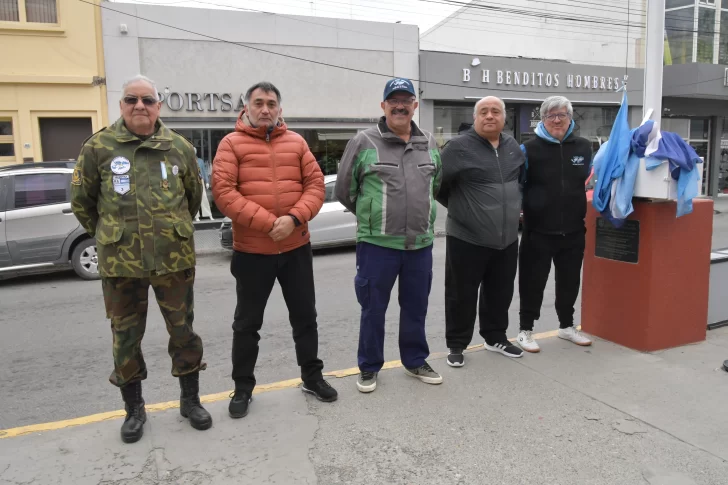
"El principal pedido es el reconocimiento de que nosotros fuimos soldados, como nosotros decimos no todo pasó en Malvinas, hubo apoyo desde el Continente", señaló el referente de la agrupación Walter Chávez a La Opinión Austral.
La ley provincial santacruceña, sancionada el 10 de abril de 2025, autoriza la próxima entrega de diplomas y medallas a quienes acrediten haber participado en la custodia de la frontera, la logística, y otras tareas de apoyo desde el continente.
El reconocimiento consistirá en la entrega de una Medalla Conmemorativa y un Diploma de Honor en un acto público y oficial organizado por el Poder Ejecutivo de la provincia. La medalla, de acero, llevará en el anverso el nombre y apellido del homenajeado, su situación de revista durante el conflicto, y la leyenda: “2 de abril – 14 de junio – 1982”. En el reverso se incluirá el escudo oficial de la provincia de Santa Cruz.
Un reconocimiento controversial que desnuda la falta de criterio nacional
El paso dado por Santa Cruz pone de manifiesto la falta de un criterio unificado y definitivo por parte del Estado Nacional (Ministerio de Defensa y el Estado Mayor Conjunto de las Fuerzas Armadas) para establecer el grado de participación y el reconocimiento que merecen los distintos miembros de las Fuerzas Armadas y de Seguridad involucrados en la guerra de 1982.
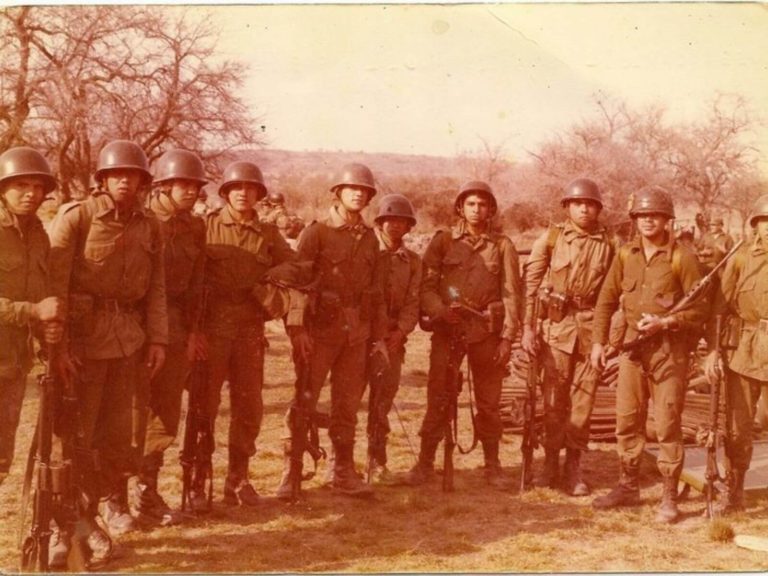
Fotografía aportada por Gerardo Posetto, para la publicación de elresaltador.com.ar el 2 de abril de 2022. titulada: "Soldados continentales, los grandes olvidados de Malvinas".
Históricamente, los soldados que estuvieron en la zona continental fueron inicialmente considerados ex combatientes, para luego ser excluidos. Sin embargo, en un hecho que genera gran disparidad de criterios, otras fuerzas han avanzado en reconocimientos que han sido objeto de debate:
- Armada Argentina: Elevó al rango de veteranos de guerra a unos 6.200 miembros de la fuerza, en su mayoría suboficiales, muchos de los cuales no estuvieron en combate directo como tampoco la Flota de Mar.
- Fuerza Aérea Argentina: También elevó al rango de veteranos de guerra, a oficiales, suboficiales y soldados que se encontraban en el Área Nacional Continental, fuera del Teatro de Operaciones Malvinas (TOM), pero que tuvieron un rol esencial en la operación logística y la preparación para el combate de sus aviones.
Esta situación ha resultado en una política de reconocimiento fragmentada y extremadamente injusta, que no distingue ni jerarquiza las distintas áreas de intervención militar.
La decisión de Santa Cruz, aunque bienvenida por la Agrupación Gesta de Malvinas, refuerza la idea de que la política y las jurisdicciones provinciales están intentando resolver un tema que, 43 años después del conflicto, el Estado Nacional no ha logrado definir con un criterio equitativo y oficial.
El propio Chávez, al reflexionar sobre el momento del reconocimiento, comentó que “podríamos decir que llega tarde, teniendo en cuenta que el veterano más joven tiene hoy entre 60 y 62 años”, subrayando la urgencia de una definición que les devuelva el honor y la dignidad de su participación.
El caso de Santa Cruz no es el único
Varias provincias argentinas han tomado la iniciativa de otorgar reconocimientos (morales, históricos e incluso económicos) a los ex soldados conscriptos que estuvieron bajo bandera y movilizados en el Área Nacional Continental durante la Guerra de Malvinas en 1982.
Esto subraya la falta de un consenso y una resolución definitiva a nivel nacional, llevando a que cada jurisdicción intente saldar la deuda histórica con sus ciudadanos.
Provincias que han dado reconocimiento a sus soldados continentales
Varias provincias han avanzado con leyes, decretos o iniciativas de reconocimiento. Los tipos de beneficios varían desde medallas y diplomas hasta acceso a obras sociales y pensiones.
Reconocimiento Moral e Histórico
- Río Negro: La provincia ha homenajeado a ex soldados continentales y, en una iniciativa superadora, oficializó la posibilidad de que se afilien voluntariamente a la obra social provincial, IPROSS, ampliando su cobertura sanitaria como parte de una "política de reparación integral".
- Santa Fe: En 2015, se entregaron medallas y diplomas a más de 700 santafesinos bajo la Ley 13.421, reconociendo a los ex soldados que fueron convocados y movilizados.
- Córdoba: Se impulsaron proyectos legislativos (aún en tratamiento) para lograr la reparación moral para quienes no estuvieron en el frente de batalla, aunque inicialmente sin contemplar aportes económicos.
- Tandil (Provincia de Buenos Aires): El Concejo Deliberante local otorgó un reconocimiento histórico a ex soldados movilizados durante el conflicto.
Reconocimiento económico y social
Además del reconocimiento moral, algunas provincias han incluido beneficios tangibles:
- Chaco y Misiones: Se mencionan como provincias que han asistido económicamente a estos soldados, aunque los detalles de las leyes varían.
- Neuquén: Un grupo de veteranos continentales reclama la sanción de una ley de reconocimiento histórico, moral y económico, buscando el título, los honores, una compensación económica y el acceso a la obra social.
La contradicción Federal
Estos reconocimientos provinciales destacan la contradicción de que, a nivel nacional, la legislación vigente (que define el Teatro de Operaciones Malvinas - TOM y el Teatro de Operaciones del Atlántico Sur - TOAS) ha sido restrictiva. Esta restricción dejó fuera de la categoría de "Veteranos de Guerra" a quienes estuvieron destinados en la Zona de Despliegue Continental (costa atlántica patagónica desde el paralelo 42° al sur), a pesar de haber estado en bases estratégicas, movilizados y en riesgo por acciones enemigas o por la logística de guerra. La presión de las provincias es, en esencia, un intento de forzar al Estado nacional a una definición unificada y más inclusiva del concepto de participación en el conflicto.
Fuentes:
Tags
Otras noticias de Nacionales
De Joe Lewis a los jeques árabes: El aeropuerto fantasma en la Patagonia que nadie controla
El Nobel de la Mentira: Tierra del Fuego rechazó la postulación del profanador Cardozo
El peligroso vaticinio de Daniel Hadad sobre Malvinas para 2027