El panorama legislativo en Tierra del Fuego se encuentra en un estado de tensa expectativa. La sesión parlamentaria prevista para este miércoles, que prometía ser polémica por la probable derogación de la Ley Provincial 1355 -norma sancionada en 2021 que prohíbe la salmonicultura industrial en aguas de la provincia- fue suspendida de manera sorpresiva. La presidenta del cuerpo, vicegobernadora Mónica Urquiza, tomó la decisión a raíz del conflicto salarial con el personal legislativo, postponiendo un debate de altísimo impacto ambiental, mediático y social.
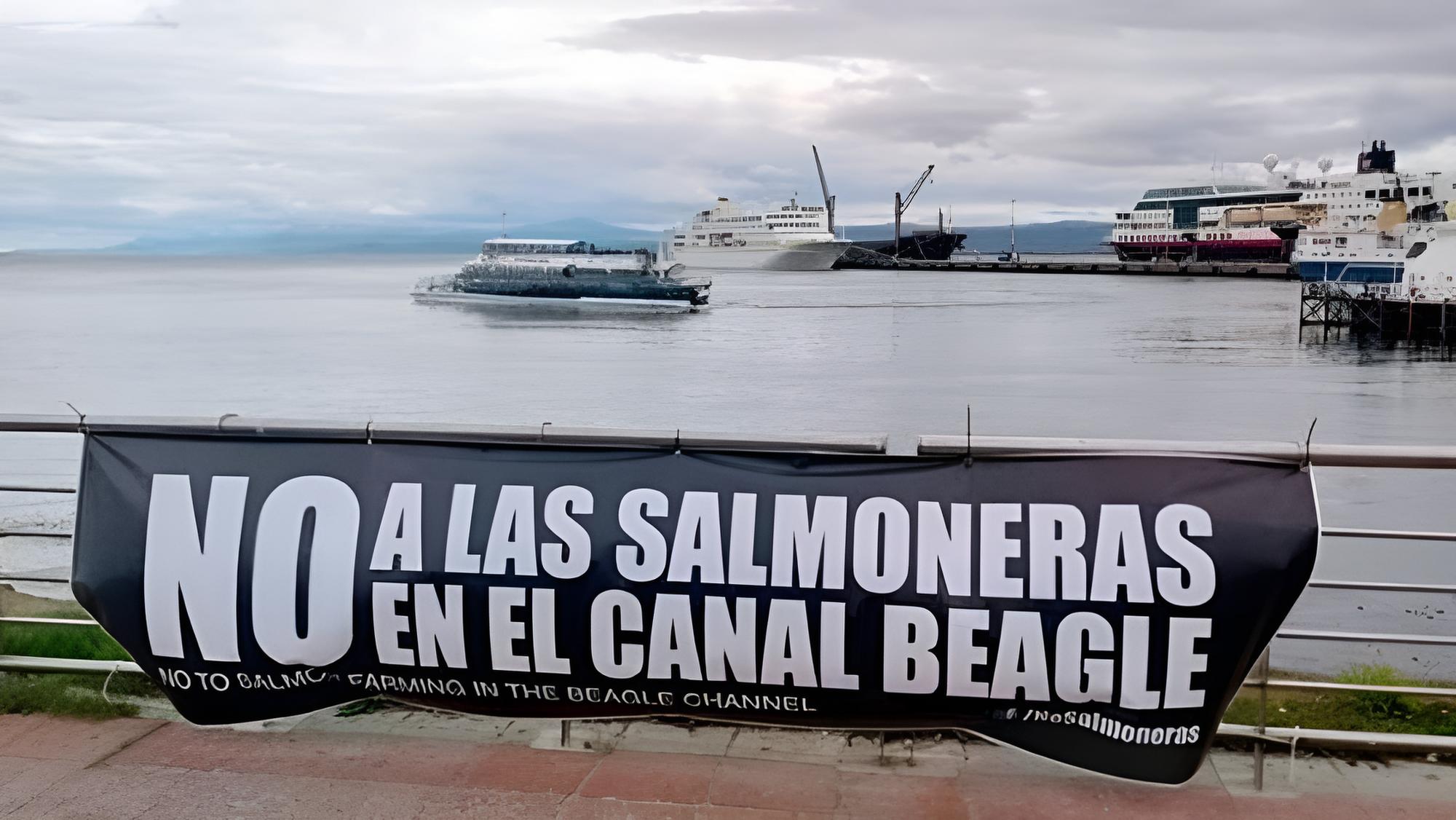
Esta postergación, sin embargo, es percibida por vastos sectores de la comunidad fueguina como un respiro temporal en una pulseada que consideran definitoria para el futuro de sus recursos naturales.
El eje del conflicto radica en la posibilidad de que la Legislatura derogue la ley protectora y apruebe alguno de los proyectos con estado parlamentario que buscan abrir las aguas provinciales a la cría de salmónidos, aunque con distintas variantes y restricciones.
La situación ha generado una firme oposición, manifestada en una denuncia judicial por parte de la Asociación Mane’Kenk. La organización ambientalista interpuso un amparo por mora ante la falta de entrega de información pública de la Legislatura y cuestiona la validez del despacho de comisión de los proyectos, argumentando que se firmó de manera irregular y sin la existencia de un acta oficial que respalde el procedimiento. Esta opacidad en el tratamiento ha avivado los reclamos de transparencia.
La resistencia no se limita a las organizaciones ambientalistas. Algunos de los chefs más reconocidos de Ushuaia, como Jorge Monopoli y Lino Adillón, han alzado su voz en defensa de la gastronomía local y los productos autóctonos. A través de eventos que promueven el consumo de especies nativas, han alertado sobre los perjuicios que las granjas de salmón a escala industrial podrían ocasionar en la biodiversidad marina y, por consiguiente, en la calidad y reputación de los recursos ictícolas fueguinos, con la centolla como emblema de especial preocupación.
Uno de los aspectos que más ha captado la atención pública es el cambio de postura de varios legisladores que, habiendo apoyado la prohibición original en 2021, ahora se aprestan a derogarla. Este realineamiento político, que según proyecciones internas conformaría una mayoría afirmativa, invita a interpretar una alianza que prioriza intereses corporativos por encima del mandato ciudadano y la protección del frágil ecosistema costero.
Los proyectos en discusión, impulsados uno por el bloque oficialista de FORJA y el otro por el de La Libertad Avanza, proponen un marco regulatorio actualizado que, aseguran, incorpora tecnología moderna y exigencias ambientales más estrictas, manteniendo incluso la prohibición expresa para el Canal Beagle.
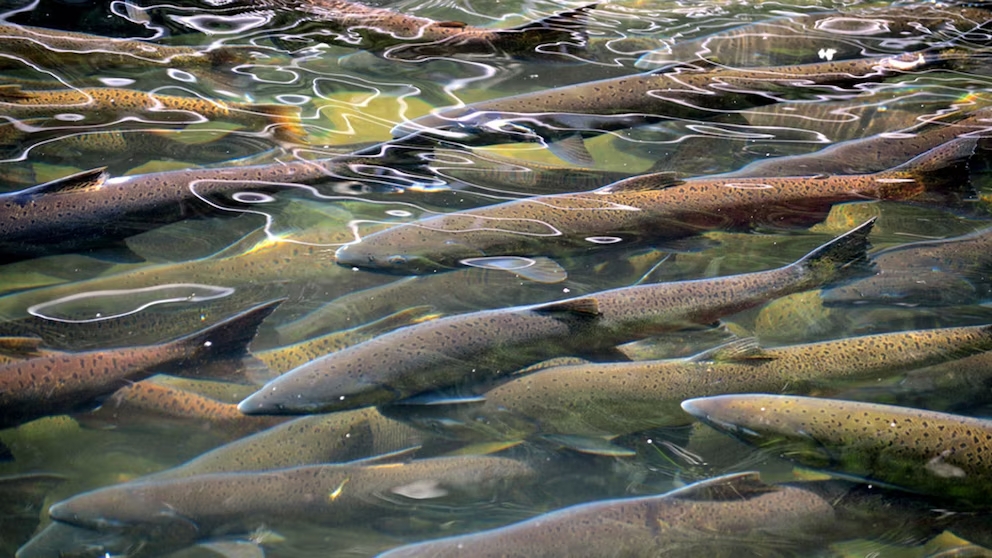
No obstante, para los opositores, la experiencia del vecino Chile sirve como una advertencia elocuente sobre los impactos de esta industria: desde la contaminación por químicos y antibióticos, la generación de "zonas muertas" en el fondo marino, hasta el escape de salmones, una especie exótica y depredadora, que alteraría irreversiblemente el equilibrio del ecosistema local.
La suspensión de la sesión no ha apagado la alerta, sino que ha puesto en evidencia la profundidad del debate. Mientras la Legislatura posterga su decisión, la lucha del pueblo de Tierra del Fuego en defensa de su ambiente y sus recursos perdura, reafirmando un principio que trasciende la coyuntura: la preservación de un patrimonio natural único frente a intereses que, para muchos, comprometen su existencia misma.
Tags
Otras noticias de Tierra del fuego
Melella acusó a libertarios y “kukas” por la intervención del puerto de Ushuaia
Ushuaia teje una red de ciudades antártica mientras Nación interviene su puerto
DEROGAR LA LEY 1596: EL CAMINO PARA DESARMAR LA INTERVENCIÓN NACIONAL EN EL PUERTO DE USHUAIA