
En el marco de la LXVII Cumbre de Presidentes, los Estados Partes y Asociados emitieron una declaración especial que condena las acciones unilaterales británicas y pide la intervención directa del Secretario General de la ONU.
El encuentro coincidió con los 60 años de la histórica Resolución 2065 (XX) de las Naciones Unidas, donde el MERCOSUR volvió a ser el escenario de un cierre de filas regional en torno a la Cuestión Malvinas. En la declaración conjunta firmada este 20 de diciembre en Foz de Iguazú, los mandatarios de la región —con la participación del presidente argentino Javier Milei y sus pares de Brasil, Uruguay y Paraguay— reafirmaron que la disputa de soberanía es una causa continental.
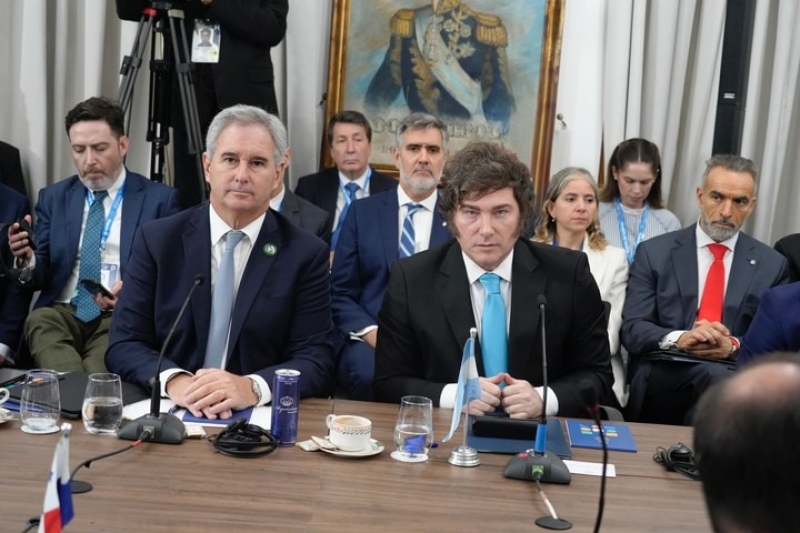
El documento no solo se limita a la retórica diplomática, sino que pone el foco en tres ejes centrales que marcan el pulso de la situación actual en el Atlántico Sur:
1. El fin de las medidas unilaterales
La declaración hace una advertencia explícita sobre la exploración y explotación de recursos naturales (pesca e hidrocarburos) por parte del Reino Unido en el área en controversia. Los presidentes destacaron que estas acciones son incompatibles con la Resolución 31/49 de la ONU, la cual insta a las partes a no introducir modificaciones unilaterales mientras el conflicto siga pendiente de resolución.
2. Apoyo a las acciones legales argentinas
Un punto clave de la nota es el reconocimiento del derecho de la República Argentina a promover acciones legales contra aquellas empresas o actividades no autorizadas en la zona de disputa. Este respaldo regional fortalece la posición jurídica de nuestro país frente al saqueo de recursos que Londres habilita de forma ilegal en aguas de las Islas Malvinas, Georgias del Sur y Sandwich del Sur.
3. Presión sobre la ONU: La Misión de Buenos Oficios
Lo más destacado en términos de estrategia diplomática es el mandato otorgado a la Presidencia Pro Tempore del bloque para realizar una nueva gestión ante el Secretario General de las Naciones Unidas. El objetivo es claro: exigir que se renueven los esfuerzos de "buenos oficios" para que Londres se siente, finalmente, a la mesa de negociaciones.
Un aniversario que interpela al Reino Unido
La mención especial al 60° aniversario de la Resolución 2065 no es casual. Aquel documento de 1965 reconoció la existencia de una disputa de soberanía y descartó la aplicación de la autodeterminación en este caso, estableciendo que la vía para la descolonización es la negociación bilateral. Seis décadas después, el MERCOSUR le recuerda al mundo que la prolongación de esta disputa es una herida abierta en la arquitectura jurídica internacional.
Para la Argentina, este documento firmado por figuras de diversos signos políticos, como Lula da Silva (Brasil) y Yamandú Orsi (Uruguay), junto al presidente Milei, demuestra que, más allá de las coyunturas ideológicas, Malvinas sigue siendo el punto de convergencia innegociable de la política exterior regional.
Dato Clave: La declaración también contó con el respaldo de Panamá, Chile y Bolivia, consolidando un bloque latinoamericano que rechaza el persistente colonialismo británico en el siglo XXI.
Tags
Otras noticias de Internacionales
El primer ministro británico acordó con Kast cooperar en defensa y blindar la "autodeterminación" en Malvinas
Gran Bretaña ofrece a Chile fabricar las fragatas de combate de la Royal Navy
Por el petróleo en Malvinas el Tribunal del Mar convocó a audiencias para el 10 y 11 de noviembre


