Mientras el Gobierno nacional promociona la compra de material bélico descartado por potencias extranjeras, el corazón del desarrollo científico argentino —FAdeA, VENG y CONAE— enfrenta un vaciamiento sistemático. Sin capacidad de mantenimiento propio para los F-16 y con proyectos estratégicos como el Tronador II paralizados, Argentina cede terreno clave en el control de su espacio y recursos.
El despliegue de la denominada "motosierra" sobre el Estado nacional ha encontrado en el sector aeroespacial un blanco estratégico. Bajo el argumento de la austeridad, pero con un trasfondo de subordinación geopolítica, tres pilares del desarrollo soberano —la Fábrica Argentina de Aviones (FAdeA), VENG S.A. (Vehículo Espacial Nueva Generación) y la Comisión Nacional de Actividades Espaciales (CONAE)— atraviesan un proceso de desfinanciamiento y pérdida de capital humano que compromete el futuro de la defensa y el conocimiento nacional.
FAdeA: entre retiros voluntarios y la exclusión de los F-16
La situación en la histórica planta de Córdoba es crítica. Con una dotación reducida a 670 trabajadores tras la desvinculación de 200 operarios en 2024, la empresa enfrenta un nuevo esquema de retiros voluntarios. A pesar de los anuncios de reactivación para el mantenimiento de los Hércules C-130 y la modernización de los Pampa III, la realidad productiva es de estancamiento.
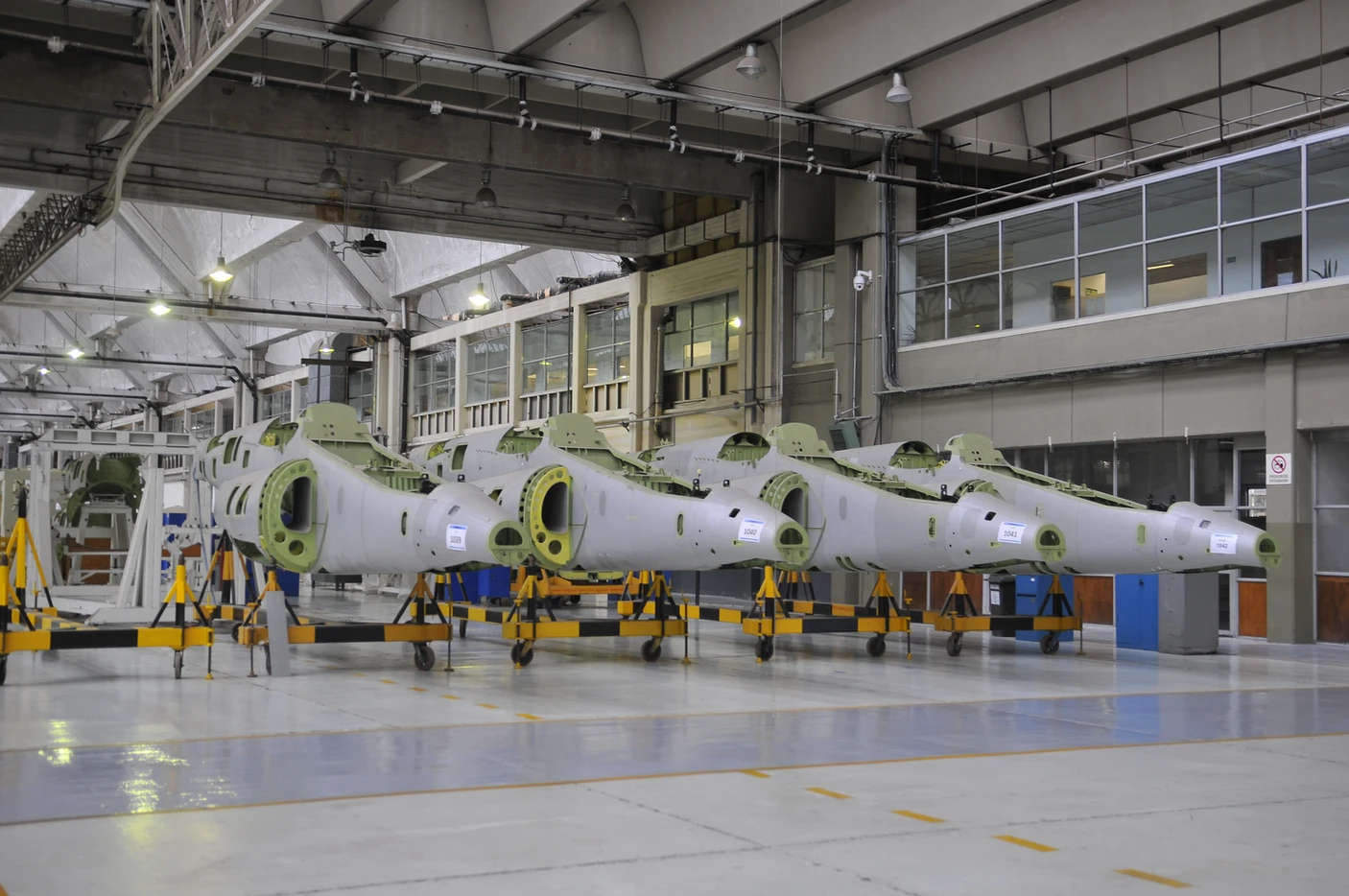
La reciente adquisición de los aviones de combate F-16, lejos de representar un salto tecnológico para la industria local, ha desnudado la desconfianza del proveedor hacia las capacidades nacionales. FAdeA no cuenta con las certificaciones ni permisos para intervenir estas unidades, quedando el mantenimiento reservado exclusivamente a equipos técnicos estadounidenses.
Desde los sectores gremiales advierten que se repite la lógica de la década del 90: "Compramos aviones de 40 años, obsoletos para el patrullaje moderno, mientras se desatiende el desarrollo del Pampa y el Pucará". Este alineamiento irrestricto con la política exterior de EE.UU. relega a la fábrica estatal a un rol periférico de proveedor de partes para terceros, como Embraer, perdiendo su esencia como terminal de defensa autónoma.
El freno al "Tronador II" y la pérdida de la verticalidad espacial
En el ámbito espacial, el panorama es igualmente sombrío. VENG S.A., el brazo técnico de la CONAE, ha sufrido un recorte presupuestario del 60%, con la proyección de una poda del 80% para el año 2026. Este ahogo financiero ha provocado una "fuga de cerebros" por goteo: entre despidos y renuncias por salarios congelados, la planta de científicos y técnicos se redujo un 30%.

El impacto más severo se registra en el Proyecto Tronador II. Por tercera vez en la historia argentina —tras la "Noche de los Bastones Largos" y la cancelación del "Cóndor II" en los 90 bajo presión de la OTAN—, la posibilidad de poseer un vehículo lanzador propio queda truncada.
"En la medida que no seas soberano en la producción de conocimiento, quedás dependiente de las demás potencias", advierten delegados de ATE en el Centro Espacial de Córdoba.
Sin un lanzador nacional, Argentina pierde la capacidad de decidir de manera autónoma qué satélites poner en órbita y cuándo hacerlo. La dependencia de empresas extranjeras, como Space X, para poner en órbita incluso proyectos avanzados como el Sabia-Mar, coloca la información estratégica del territorio y el mar argentino bajo el arbitrio de intereses foráneos.
Un territorio sin ojos propios
Argentina es el octavo país más extenso del mundo. La soberanía sobre sus recursos naturales, el control de la Zona Económica Exclusiva y la vigilancia de la frontera requieren una infraestructura aeroespacial que no dependa de la "buena voluntad" de terceros.
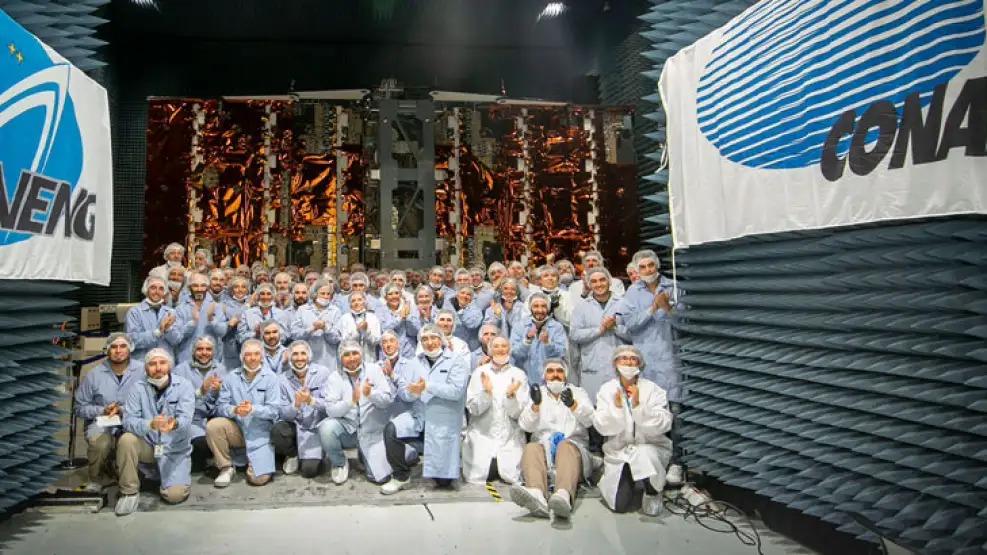
El vaciamiento de CONAE —que opera las estaciones terrenas más australes del mundo con alcance hasta la Antártida— y la parálisis de proyectos en VENG (pese a ser una empresa superavitaria) sugieren que el objetivo no es el ahorro fiscal, sino la eliminación de la competencia tecnológica en el Hemisferio Sur.
La historia demuestra que, en contextos de conflicto, el acceso a la información satelital y la capacidad de reparación de armamento son los primeros suministros que las potencias cortan a los países dependientes. Al desmantelar sus alas y sus cohetes, Argentina no solo pierde empleos de alta calificación; está entregando las llaves de su propia vigilancia y defensa.
Fuente:
Tags
Otras noticias de Nacionales
Taiana volvió a responsabilizar a Melella por la presencia del radar británico en Tierra del Fuego
La Nación explica cómo la “Ley de Soberanía” de Milei avanza sobre la libertad de prensa y los consensos democráticos
Milei gestiona una bilateral con Donald Trump para poner la disputa por Malvinas sobre la mesa