La renuncia de Gerardo Werthein deja entrever una gran contradicción en el seno de la política libertaria. En octubre de 2024, Werthein había tomado el relevo de Diana Mondino, ya que su larga trayectoria como empresario lo había vinculado a estrechos contactos con sectores norteamericanos homónimos que lo habían postulado anteriormente como embajador argentino en Washington, inmediatamente después de la asunción presidencial de Javier Milei. Pero su reciente renuncia suma otro detalle en el estropeado timón que nuestra República conduce en las delicadas relaciones internacionales que se desarrollan sobre la disputa comercial entre EE. UU. y China.
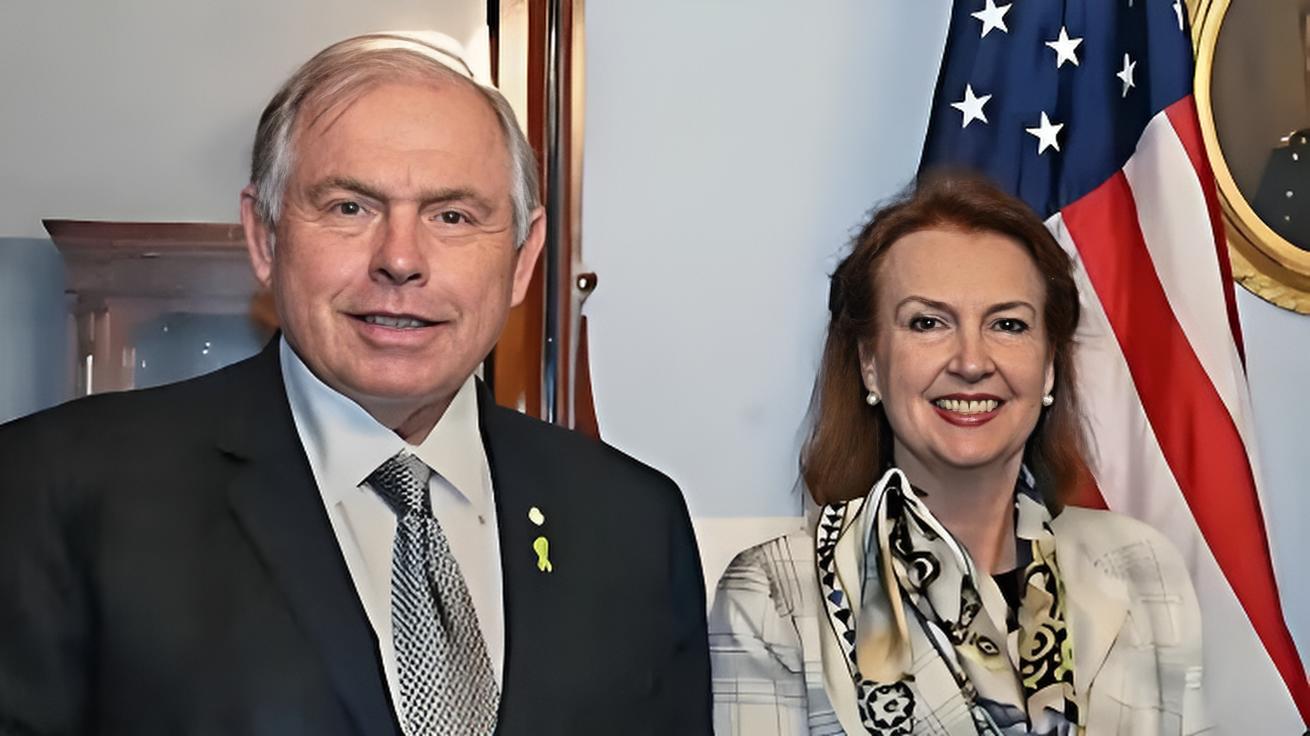
Este cuadro indica que Insistir en ir a contramano de los intereses nacionales es una muestra más, que la soberanía es nuestro propio sustento, pero a vez el alimento que ostentan nuestros adversarios angloamericanos: ¿Acaso existe para el gobierno libertario una vacante en el poder de decisiones que nuestro país debe llevar adelante en el campo de nuestro reclamo sobre las Islas Malvinas?
Parece ser esta pregunta una pista para comprender los siguientes movimientos de quien reemplace el máximo cargo en la cancillería, puesto que el reciente acuerdo de SWAP firmado con EE.UU. por 20.000 millones de dólares y la compra de pesos argentinos por parte del Tesoro estadounidense, nos coloca en el punto de inflexión global, a vistas del mundo, cuando el propio Donald Trump aclaró recientemente que “Argentina está sufriendo y hace lo que puede”. Sin embargo, la posición de Washington de quitar al gigante asiático de Latinoamérica nos entromete en una situación riesgosa cuando el país del norte pretende que Argentina cancele el SWAP con China firmado por Cristina Fernández de Kirchner en 2009, renovado sucesivamente por Mauricio Macri, Alberto Fernández y el propio Javier Milei a mediados de este año.
En este sentido no dejar de observarse que en el reclamo de nuestras Islas Malvinas está la inclaudicable defensa soberana de los intereses nacionales, ya que politizar nuestro territorio resulta equivalente a defenderlo íntegramente en el nivel diplomático frente a los intereses foráneos que pretenden un dominio de nuestra región, incluso dentro de un capítulo internacional con mayores inclinaciones económicas puestas en países y bloques del Sur Global.
Entre la apertura del puerto Chamcay-Shangái entre Perú y China, la suscripción de Colombia en la Iniciativa de la Franja y la Ruta (Rutas de Seda), o la construcción del corredor bioceánico entre puertos brasileños y peruanos, hay claras evidencias de una comunión comercial en el Cono Sur que se reactiva más allá de ideologías asociadas a la etapa de la Guerra Fría del siglo pasado.
En tanto que se mantiene en vilo las Islas Malvinas y el conjunto de espacios adyacentes en el Atlántico Sur, claves para esta etapa de globalización económica que nos encuentra aun siendo un centro internacional de escala geopolítica, la actual diferencia libertaria consiste en hacer un estropeo diplomático que hace vacilar la trayectoria histórica con nuestros socios comerciales, otorgando vacíos en la estratégica política interior-exterior de nuestro país.
Tags
Otras noticias de Nacionales
Impulsan anular la compra de 14.000 hectáreas financiadas por Emiratos Árabes Unidos
Recuperan la carta de un excombatiente de Malvinas enviada a su madre que se vendía por internet
Milei naturaliza el despojo difundiendo mapas sin Malvinas ni Tucumán