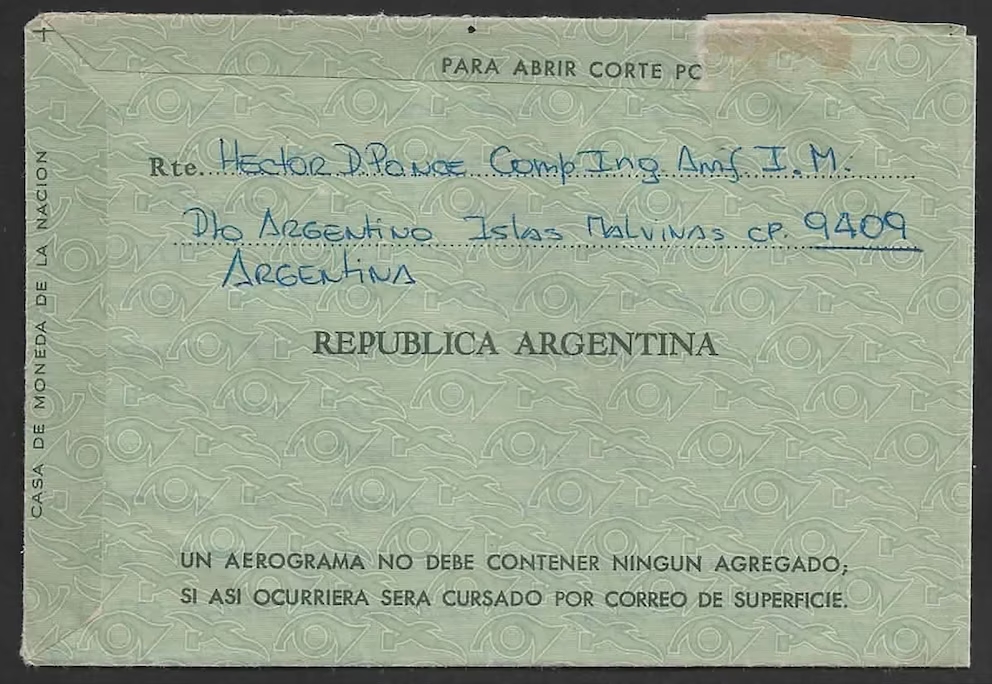
El robo de la memoria de guerra comenzó para el veterano puntano Héctor Daniel Ponce hace cuatro décadas. En 1984, un hombre en muletas que decía ser un camarada golpeó la puerta de su casa en Villa Mercedes. Se llevó 17 cartas originales bajo una promesa que resultó ser una trampa: los documentos eran supuestamente necesarios para que el escritor Ernesto Sábato redactara un libro sobre el conflicto.
Ese libro nunca existió. Años después, el propio Sábato le confirmó a Ponce en su casa de Santos Lugares que él jamás había solicitado tal material. El engaño fue parte de una maniobra sistemática de "recolectores" que, en plena posguerra, saquearon el patrimonio de los combatientes para alimentar un mercado de coleccionismo que lucra con la historia.
Del mercado negro a la restitución
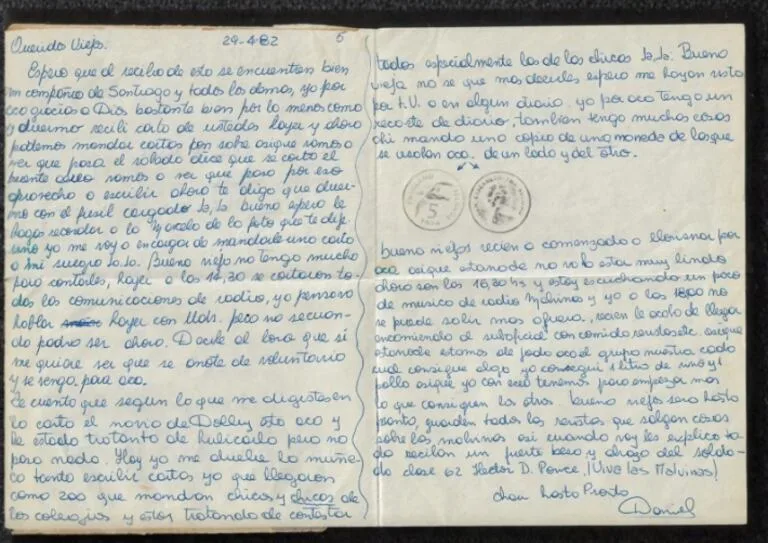
Tras 42 años de incertidumbre, la carta escrita por Ponce el 29 de abril de 1982 —dos días antes del bautismo de fuego— emergió en la plataforma eBay. A pesar de ser un sitio de alcance global, la pieza era ofrecida por un vendedor con base en Buenos Aires, lo que evidencia la vigencia de este circuito de comercialización interna de objetos de guerra.
La presión mediática y el reclamo legal liderado por el abogado Christian Burruchaga obligaron a retirar la subasta. Ante la contundencia de las pruebas —que incluían fotos del DNI de Ponce para certificar su identidad—, la plataforma gestionó la devolución del documento original.
El aroma de la identidad
Al recibir el sobre el pasado martes, Ponce realizó un gesto que define la conexión física con el pasado: "Lo primero que hice fue olerla", confesó. Buscaba en el papel el rastro de la turba, del humo o de aquel joven de 19 años que escribía desde la trinchera para llevar tranquilidad a los suyos.
"Gracias": El cierre de una madre
El acto final de esta reparación histórica ocurrió en el living de la familia Ponce. "Tita", la madre del veterano y destinataria original de aquel correo, recibió a sus 93 años el papel que le había sido sustraído hace cuatro décadas.
Entre lágrimas, abrazada a su hijo y conmovida por recuperar un pedazo de la vida de Daniel que creía perdido, la mujer no dejó de repetir una sola palabra: "Gracias". En ese llanto, se cerró una herida que la estafa y el olvido habían mantenido abierta durante casi medio siglo. La carta ya no es una mercancía; ha vuelto a ser, finalmente, un pedazo de amor que regresó a casa.
Tags
Otras noticias de Nacionales
La Iglesia católica se manifestó contra la extranjerización del territorio argentino
El presente de las FUERZAS ARMADAS ARGENTINAS: de custodios de la PATRIA a choferes de UBER
Milei devalúa la Constitución y posterga la defensa de Malvinas a un futuro incierto