
Hoy, 14 de junio de 2026, se cumplen exactamente 44 años del final del conflicto armado en el Atlántico Sur. El calendario impone una fecha de profunda reflexión que obliga a contrastar, de manera cruda y despojada de consignas vacías, dos realidades opuestas: el retroceso estructural de la República Argentina y el meticuloso avance colonial británico, plasmado de forma inequívoca en un documento oficial que fue publicado oficialmente este 2 de junio, denominado: "Estrategia de Desarrollo Económico 2026-2040" - ExCo (Comité Ejecutivo) Paper 111/26.
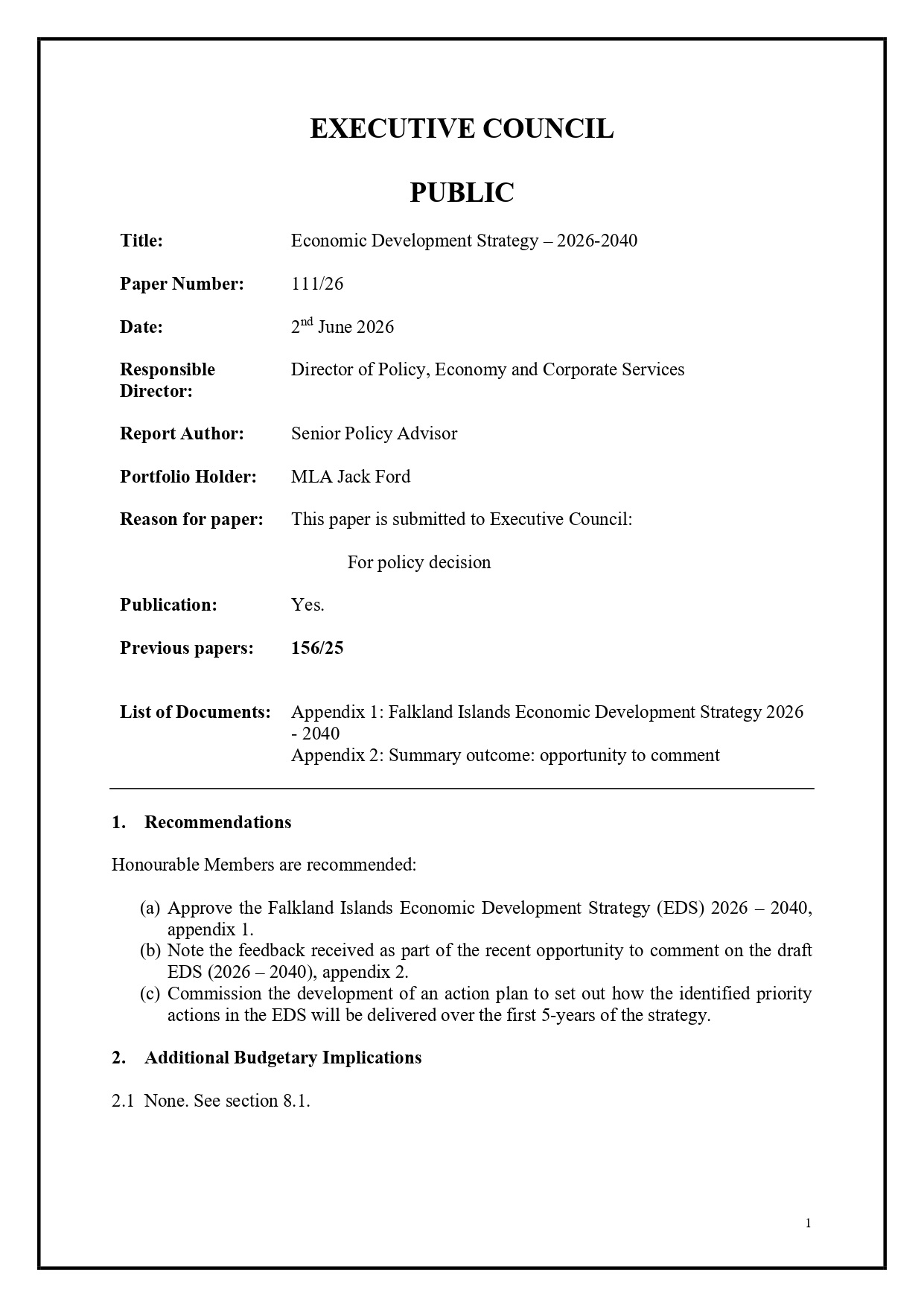
Para los argentinos, entender este proceso exige asumir el grave error histórico del gobierno militar de 1982 y las posteriores concesiones diplomáticas otorgadas desde el gobierno de Carlos Menem al de Javier Milei.
La derrota militar: Un botín de guerra cada vez más grande
En abril de 1982, la dictadura arrastró al país a una guerra iniciada de manera irresponsable, improvisada y sin el máximo rigor estratégico y logístico que requería enfrentar a una potencia de la OTAN. Aquella derrota militar consolidó un quiebre. Si bien las Naciones Unidas dejaron en claro, a través de la Resolución 31/49, que el conflicto armado de ninguna manera modificaba la disputa de soberanía subyacente ni los legítimos derechos argentinos, la realidad fáctica posterior fue demoledora. Desde 1982, Gran Bretaña no solo se negó sistemáticamente a cumplir con el mandato internacional de sentarse a discutir la restitución del territorio, sino que utilizó la victoria militar como el trampolín perfecto para ensanchar su usurpación, expandir su control marítimo y saquear de forma planificada las riquezas y recursos naturales que por derecho corresponden a los argentinos, y de manera directa a la provincia de Tierra del Fuego, Antártida e Islas del Atlántico Sur.
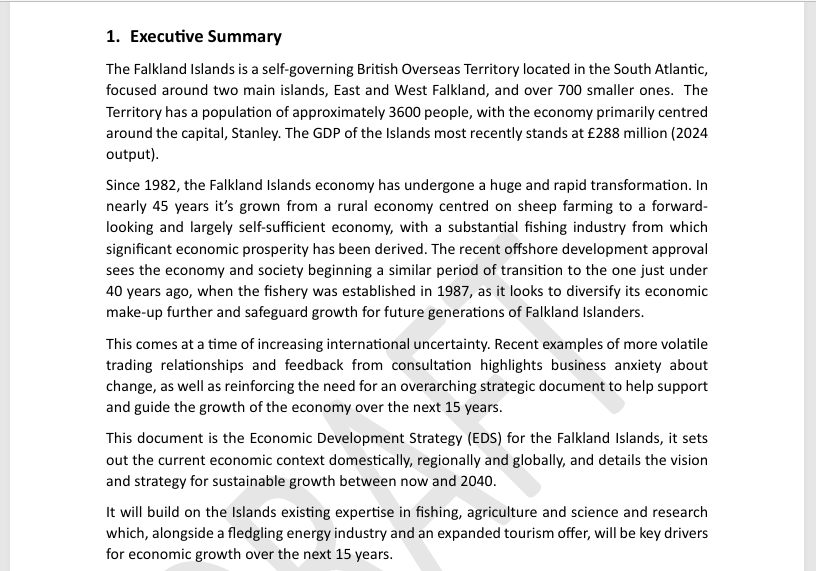
Mientras la política exterior argentina ha pendulado durante más de cuatro décadas entre la pasividad, la desregulación generalizada que hoy incentiva la administración de Javier Milei, y los reclamos puramente retóricos, el Foreign Office ha diseñado un plan de afianzamiento a 15 años que ya está en marcha. El documento colonial al que Agenda Malvinas publica en exclusivo, se sintetiza en un párrafo donde textualmente, describe este salto temporal:
"Desde 1982, la economía de las Islas Malvinas ha experimentado una transformación enorme y rápida. En casi 45 años ha pasado de ser una economía rural centrada en la cría de ovejas a una economía con visión de futuro y en gran medida autosuficiente, con una industria pesquera sustancial de la cual se ha derivado una significativa prosperidad económica. La reciente aprobación del desarrollo en mar abierto (offshore development approval) marca el inicio de un período de transición similar al de hace casi 40 años, cuando se estableció la zona de pesca en 1987..."
El plan estratégico a 15 años: Las garras coloniales en el mar
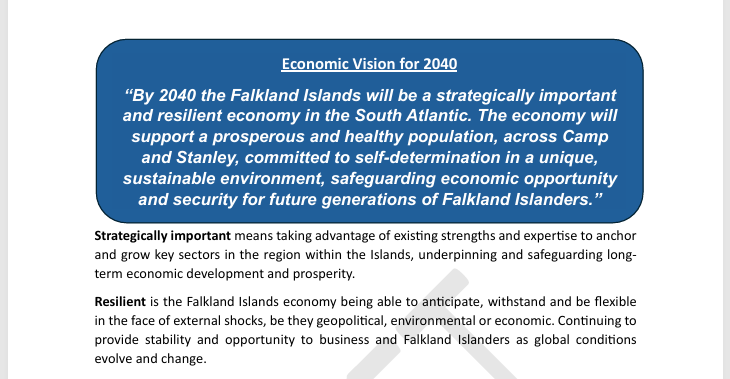
Al bucear en la letra chica del informe 111/26, se revelan los ítems y las ampliaciones presupuestarias que demuestran cómo la colonia se está blindando ante la inestabilidad internacional. El plan no se limita a administrar la ocupación; busca estructurar una "falsa autonomía" financiera que les permita presentarse ante el mundo como una comunidad económicamente independiente y con capacidad de "autodeterminación".
Para lograrlo, el imperio se apoya sobre dos pilares de expoliación de recursos soberanos argentinos:
1. La consolidación del saqueo pesquero y la paradoja del "Agujero Azul"
La pesca ilegal es el verdadero motor que financia el aparato administrativo colonial, representando actualmente el 58% de su Producto Interno Bruto (PIB). En el mismo documento, los británicos confiesan abiertamente sus debilidades y riesgos: admiten que la sobreexplotación y la falta de regulación internacional en la zona conocida como el "Agujero Azul" (the blue hole) en el Atlántico Sur representa una "amenaza existencial para la industria pesquera de las Islas Malvinas".
Aquí radica una de las mayores contradicciones y alarmas geopolíticas para nuestro país. Mientras el enclave británico teme el impacto de la depredación en el Agujero Azul por fuera de su zona de exclusión, en el Congreso de la Nación Argentina se ha intentado reinstalar de manera sistemática el proyecto de ley de "Área Marina Protegida Bentónica Agujero Azul". Este proyecto, impulsado originalmente por la ex diputada nacional Graciela Camaño y fuertemente promovido por la ONG internacional Wildlife Conservation Society (WCS) —cuya filial argentina tiene la particularidad de contar con la propia hija de Camaño entre sus autoridades—, ha sido rotundamente rechazado por expertos y científicos como el especialista César Lerena. El mayor Experto en Atlántico Sur y Pesca de la Argentina advirtió, que la declaración unilateral de un área protegida en esa zona específica, lejos de salvaguardar los intereses nacionales, terminará convirtiéndose en una barrera que expulsa a la flota pesquera de bandera argentina de sus propios espacios económicos, facilitando de forma indirecta el control biológico y la sustentabilidad de los caladeros ilegales de los que se nutre y beneficia de forma directa el gobierno usurpador de las islas. Hecho que es claramente expresado en el Paper 111/26, por los propios británicos.
2. El desembarco petrolero: El salto definitivo
Los británicos son conscientes de que las fluctuaciones de la pesca no bastan para sostener una infraestructura de nivel soberano a largo plazo. Por ello, califican formalmente a la industria de los hidrocarburos como "el elemento más transformador de la economía para los próximos 15 años".
Tras otorgar las aprobaciones regulatorias en octubre de 2025, y luego de que las corporaciones corporativas Navitas Petroleum y Rockhopper Exploration plc firmaran las Decisiones Finales de Inversión (FID) en diciembre de 2025, la colonia ha puesto su maquinaria económica a total disposición de este sector. El plan estratégico augura que el impacto del yacimiento en mar abierto Sea Lion/León Marino será "aún más significativo que el impacto que ha tenido la pesca en los últimos 40 años", proyectando el inicio de las perforaciones de desarrollo para 2027 y el primer flujo comercial de petróleo para 2028.
La diplomacia de la infiltración: Uruguay, Chile y la logística regional
El plan estratégico británico de la colonia, demuestra que las islas no pueden subsistir de manera aislada. Ante la falta de conectividad y las barreras geográficas, el documento traza líneas de acción prioritarias destinadas a perforar el bloqueo argentino con el continente sudamericano, mediante alianzas para-estatales. El informe estipula textualmente el objetivo de "continuar desarrollando los lazos comerciales con Sudamérica (mencionando explícitamente a Uruguay y Chile)".
El texto oficial detalla cómo operan estos mecanismos de influencia:
- Aprovechamiento de las embajadas británicas: El plan expone que la colonia se sirve de la estructura diplomática del Reino Unido (Foreign, Commonwealth & Development Office o Ministerio de Asuntos Exteriores, Mancomunidad y Desarrollo) en la región, operando de manera muy aceitada a través de la Embajada Británica en Montevideo.
- Financiamiento de "relaciones públicas": El presupuesto asigna partidas anuales fijas de £157,920 libras (más de $202,000 dólares) a programas de Diplomacia Pública (Línea 1179). Esta "caja" tiene el objetivo específico de financiar viajes de periodistas influyentes, estudiantes universitarios de la región y delegaciones de parlamentarios hacia el archipiélago. El propio gobernador británico celebró en su discurso del 3 de junio ante la Asamblea el arribo de una nutrida delegación de legisladores uruguayos al territorio ocupado.
Misiones comerciales cruzadas: El brazo financiero de la colonia, la corporación de desarrollo FIDC (Falklands Islands Development Corporation), ha comenzado a expandir de manera sistemática los lazos directos mediante el envío y recepción de delegaciones comerciales recíprocas con cámaras empresarias chilenas y uruguayas en áreas como la agricultura y los servicios logísticos marítimos.
Asimismo, el plan estratégico pone la mira en una tercera pata logística indispensable: la integración de la Base Militar de Mount Pleasant (BFSAI) en la economía diaria del enclave. El documento insta a las empresas isleñas a "sustituir importaciones" proveyendo de alimentos, insumos y servicios de construcción a las fuerzas militares británicas estacionadas allí. Además, el plan propone una estrategia de asimilación cultural: incentivar que los soldados británicos realicen turismo en el Camp durante sus licencias, con el fin explícito de que, al regresar a Europa o ser reasignados, se conviertan en "embajadores" de la supuesta causa nacional de los isleños.
44 años: El espejo de nuestra desidia argentina
A 44 años de aquel doloroso 14 de junio de 1982, el contraste es intolerable. Mientras Argentina continúa atrapada en falsas dicotomías, debilitando sus capacidades de defensa, desregulando el control de sus mares y con un gobierno nacional que mira con pasividad complaciente la agenda de Londres, el enclave colonial británico redacta leyes, proyecta su economía a 2040, planifica la creación de un Fondo Soberano para blindar las regalías del petróleo argentino y teje alianzas logísticas con nuestros propios vecinos continentales.
La lección de la historia nos demuestra que la improvisación militar de 1982 nos costó muy caro. Pero la improvisación política, la sumisión diplomática y la desidia económica actual nos están costando el control definitivo de nuestro Atlántico Sur y de los recursos de las futuras generaciones de argentinos. El Plan Estratégico británico no es una simple proyección económica; es la hoja de ruta de una usurpación que se consolida en el siglo XXI ante nuestros propios ojos.
Tags
Otras noticias de Malvinas
Los secretos, mapas y pruebas de la demanda argentina ante el Tribunal del Mar por el avance petrolero en Malvinas
La TV chilena muestra los destrozos que realizan los británicos en el cementerio de Darwin
“Déjennos robar en paz”: los okupas de Malvinas se ofenden porque Argentina les encarece los costos


