La confirmación oficial por parte del ministro de Defensa, Carlos Presti, y del comandante de la Aviación Naval, Contraalmirante Román Enrique Olivero, sobre el retiro definitivo de los cazabombarderos Super Étendard (SUE) y Super Étendard Modernisé (SEM) clausura una de las etapas más gloriosas de la defensa aeromarítima argentina. Sin embargo, la desprogramación no es un simple paso técnico del denominado "Plan Dédalo": es el desenlace de años de impericia política, endeudamiento estéril y sumisión ante el embargo militar británico.
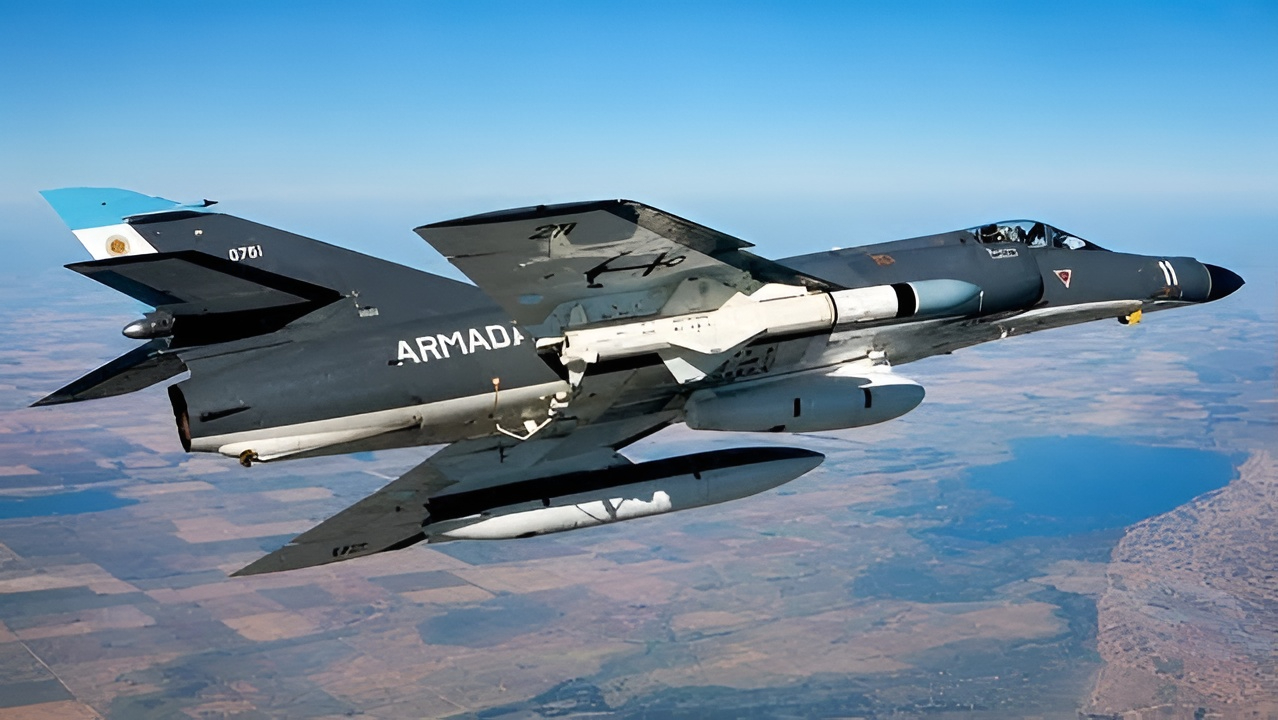
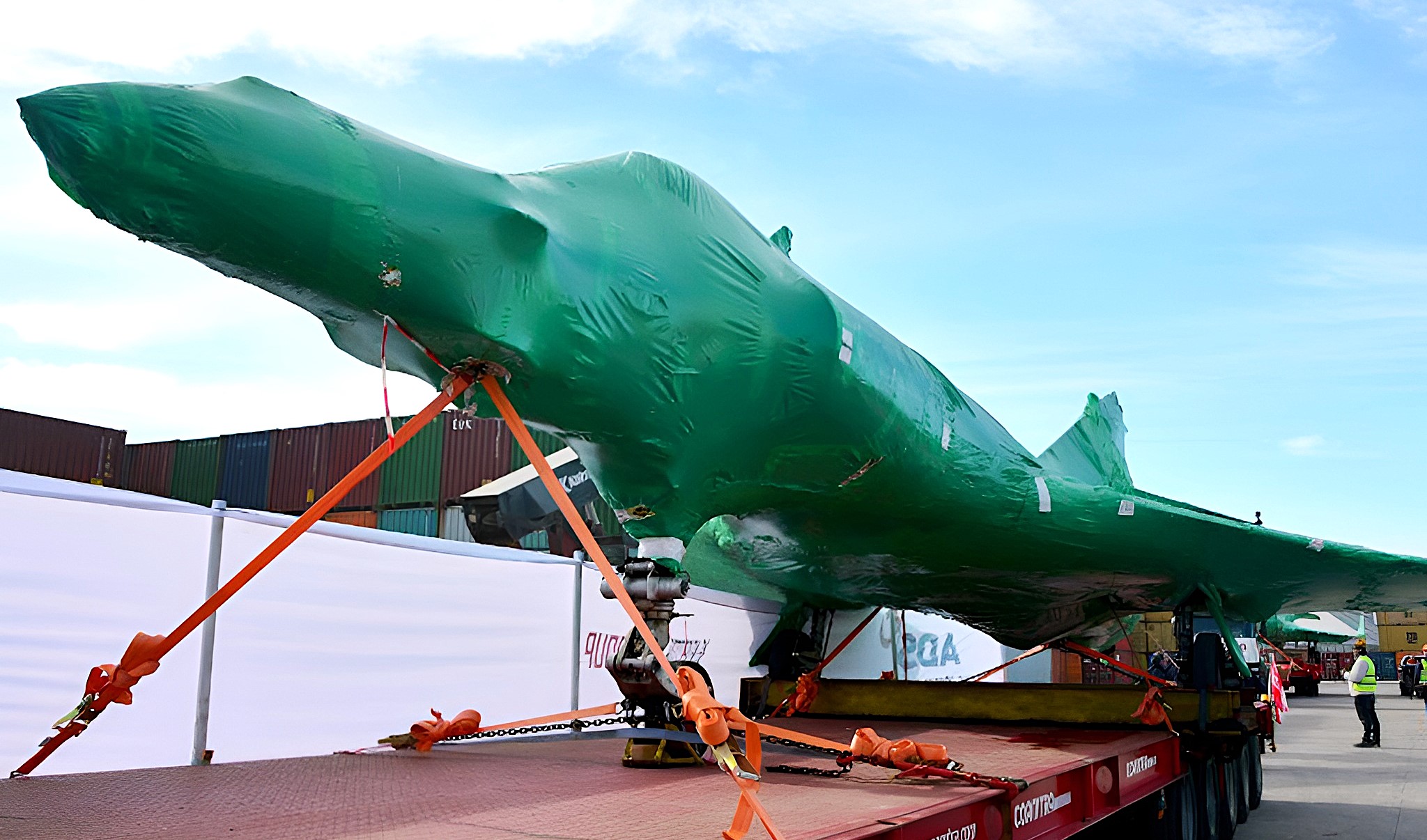
La historia de esta flota resume en un solo cuadro el desmantelamiento de las capacidades soberanas: los cinco aviones originales que en 1982 hundieron con misiles Exocet al destructor británico HMS Sheffield y al carguero logístico Atlantic Conveyor terminan desmantelados junto a los cinco Modernisé comprados por Mauricio Macri en 2018 a Francia por más de 14 millones de dólares, aeronaves que jamás llegaron a volar un solo minuto en cielo argentino.
El fiasco del G-20: Millones tirados para aviones que nunca despegaron
En 2017 y 2018, la administración de Cambiemos justificó la compra de los cinco SEM a la Marina francesa bajo el argumento urgente de custodiar el espacio aéreo durante la Cumbre del G-20 en Buenos Aires. La operación no solo fue un fracaso cronológico —los aviones arribaron al país en mayo de 2019, meses después de finalizada la cumbre—, sino una claudicación advertida por los propios informes técnicos.
- El veto británico anunciado: Se sabía de antemano que los asientos eyectables eran fabricados por la firma inglesa Martin-Baker (modelo Mk 4A). El Reino Unido, que mantiene un embargo militar estricto contra la Argentina desde la Guerra de Malvinas, bloqueó sistemáticamente la venta y homologación de los componentes pirotécnicos.
- Material descontinuado: Francia vendió a la Argentina células que ya estaban fuera de servicio en su propia fuerza aeronaval, transfiriendo el costo del descarte y repuestos que ya no se fabricaban en el mercado internacional.
- Gasto estéril: El Estado argentino pagó 12,5 millones de euros por las máquinas, sumó millones en fletes y mantuvo a los aviones juntando polvo en los hangares de la Base Aeronaval Comandante Espora durante ocho años.
Ningún gobierno posterior exploró con determinación técnica el desarrollo de cartuchos alternativos con la industria local (a través de CITEDEF o Fabricaciones Militares) ni proveedores fuera de la órbita de la OTAN. Se eligió la inacción hasta declarar la defunción del sistema.
La secuencia de la indefensión
El retiro de los Super Étendard no ocurre en el vacío; se encadena con otra sucesión de decisiones:
1. Cierre de bases históricas: Se desmantela operativamente la Base Aeronaval Punta Indio (BAPI), degradándola a simple "estación" aeroportuaria, trasladando sus escuelas y los aviones B200 SAR a Bahía Blanca y dejando desprotegida la boca del Río de la Plata y la Hidrovía.
2. Pérdida del vector de ataque naval: Al retirar los SUE/SEM sin reemplazo de ala fija de combate para la Armada, la Argentina renuncia a la doctrina de ataque antibuque y cazabombardeo sobre el mar.
3. Endeudamiento condicionado: Mientras se apagan los aviones que hundieron a la flota británica, el Gobierno compromete 400 millones de dólares para comprar misiles AIM-120 AMRAAM a la estadounidense Raytheon para los F-16; el mismo contratista y misil que utiliza el Reino Unido en la fortaleza de Monte Agradable.
4. Asfixia y disolución: Con un recorte operativo de más de $59.000 millones y sueldos castrenses licuados en un 80% (con militares autorizados a manejar Uber para no caer en la indigencia), Federico Sturzenegger empuja la disolución de la Armada para fusionarla como policía costera bajo la Prefectura Naval.
Al desguazar los cazas que hicieron pagar caro la soberbia colonial en 1982, el Estado argentino cancela el último símbolo de disuasión naval propia en el Atlántico Sur, allanando el camino al protectorado militar extranjero y a la consolidación de la presencia de la OTAN en las Islas Malvinas.
Tags
Otras noticias de Nacionales
Legisladores y organizaciones coinciden en la responsabilidad Melella en no desarmar el radar británico
Taiana volvió a responsabilizar a Melella por la presencia del radar británico en Tierra del Fuego
La Nación explica cómo la “Ley de Soberanía” de Milei avanza sobre la libertad de prensa y los consensos democráticos