La tensión en el Atlántico Sur ha escalado del terreno de las filtraciones diplomáticas al plano de la preparación militar directa. El jefe de la Real Fuerza Aérea (RAF) británica, Sir Harv Smyth, declaró este fin de semana que sus fuerzas se encuentran en “alerta máxima” y plenamente preparadas para defender las Islas Malvinas. Esta movilización de alto nivel responde al clima de incertidumbre generado por la filtración de un memorándum del Pentágono que sugería un posible retiro del apoyo de EE.UU. a la soberanía británica en el archipiélago.
"Innegociable": La respuesta de la RAF
Smyth fue contundente al afirmar que el rol de la RAF en la defensa del espacio aéreo de las islas es “innegociable”. Sus declaraciones se produjeron tras regresar de una visita estratégica a Irak y Ucrania, donde supervisó operaciones de derribo de drones.
Actualmente, el dispositivo militar británico en las islas incluye:
- Defensa Aérea Permanente: Cuatro cazas Typhoon apostados en la base de Mount Pleasant, que operan bajo un sistema de Alerta de Reacción Rápida (QRA) las 24 horas del día.
- Presencia Terrestre: Un despliegue de 1000 soldados en el territorio.
- Escudo de Misiles: El sistema Sky Sabre, valorado en 250 millones de libras, diseñado para interceptar desde aviones de combate hasta drones y bombas inteligentes.
El "efecto dominó" de la filtración del Pentágono
El origen de esta escalada se remonta al 25 de abril, cuando se filtró un correo interno del Pentágono que planteaba sancionar a aliados de la OTAN que no apoyaron a EE.UU. en la guerra contra Irán. Entre las opciones figuraba reconsiderar el apoyo diplomático a las "posesiones imperiales" europeas, mencionando explícitamente a las Malvinas.
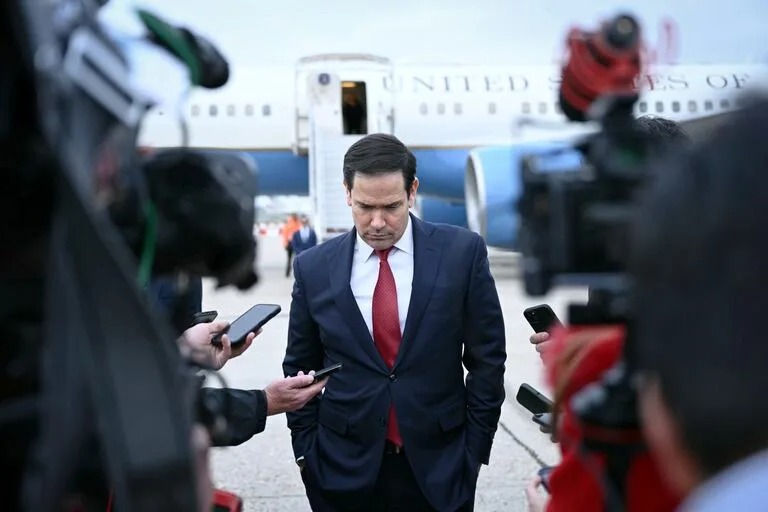
Aunque el secretario de Estado de EE.UU., Marco Rubio, intentó minimizar el incidente calificándolo como “tan solo un correo electrónico” con algunas ideas de un funcionario inferior, el impacto en Londres ha sido profundo. Mientras el gobierno británico reafirma que su postura es de larga data e inalterable, el gobierno argentino, encabezado por Javier Milei, ha aprovechado la coyuntura para reafirmar sus derechos soberanos y rechazar la invocación británica del principio de libre determinación.
Neutralidad bajo fuego
Pese al despliegue militar y las declaraciones de alerta, el Departamento de Estado de EE.UU. insiste oficialmente en su posición de neutralidad. Washington reconoce la administración de facto del Reino Unido, pero evita adoptar una postura definitiva sobre los reclamos de soberanía contrapuestos.
Sin embargo, para los jefes militares británicos, la posibilidad —aunque sea teórica— de perder el respaldo de Washington ha activado una doctrina de autosuficiencia. Las palabras de Sir Harv Smyth dejan claro que, para Londres, el archipiélago sigue siendo una prioridad de defensa global, al mismo nivel que sus operaciones en Medio Oriente o la vigilancia de la OTAN en Europa del Este.
Tags
Otras noticias de Internacionales
El gobierno británico laborista de Keir Starmer se derrumbó
Rusia afirma haber destruido un lanzador de cohetes argentino en Ucrania
Malestar en Brasil por el plan argentino de ingresar al Tratado Transpacífico