Mientras Chubut arde en sospechosos incendios que arrasan miles de hectáreas, presuntamente para despejar el terreno a negocios inmobiliarios o mineros, la Argentina no sólo enfrenta una emergencia ambiental, sino la consumación de un despojo histórico.
El reciente desmantelamiento de la Ley de Tierras por el gobierno de Javier Milei, hecho ahora consumado, no es un acto aislado: es el capítulo final de una saga de desnacionalización cuyo arquetipo es el imperio Benetton.
La extranjerización masiva del territorio, lejos de ser una posibilidad teórica, es una realidad que se expande bajo el amparo de un Estado que abdica de su deber primario: custodiar la integridad nacional.
La cifra es un llamado a la conciencia nacional: 13 millones de hectáreas, un territorio equivalente a toda Inglaterra, ya son propiedad de capitales foráneos. El dato, fruto de una investigación de la UBA y el CONICET, desnuda una estrategia de ocupación silenciosa y selectiva. No se trata de un fenómeno disperso, sino de una colonización estratégica de puntos neurálgicos: nacientes de ríos, áreas de frontera, regiones con recursos minerales. Departamentos enteros superan el 50% de extranjerización, mientras la falsa "trampa de los promedios" sirve de coartada legal. Esta no es inversión; es una avanzada geopolítica bajo títulos de propiedad.
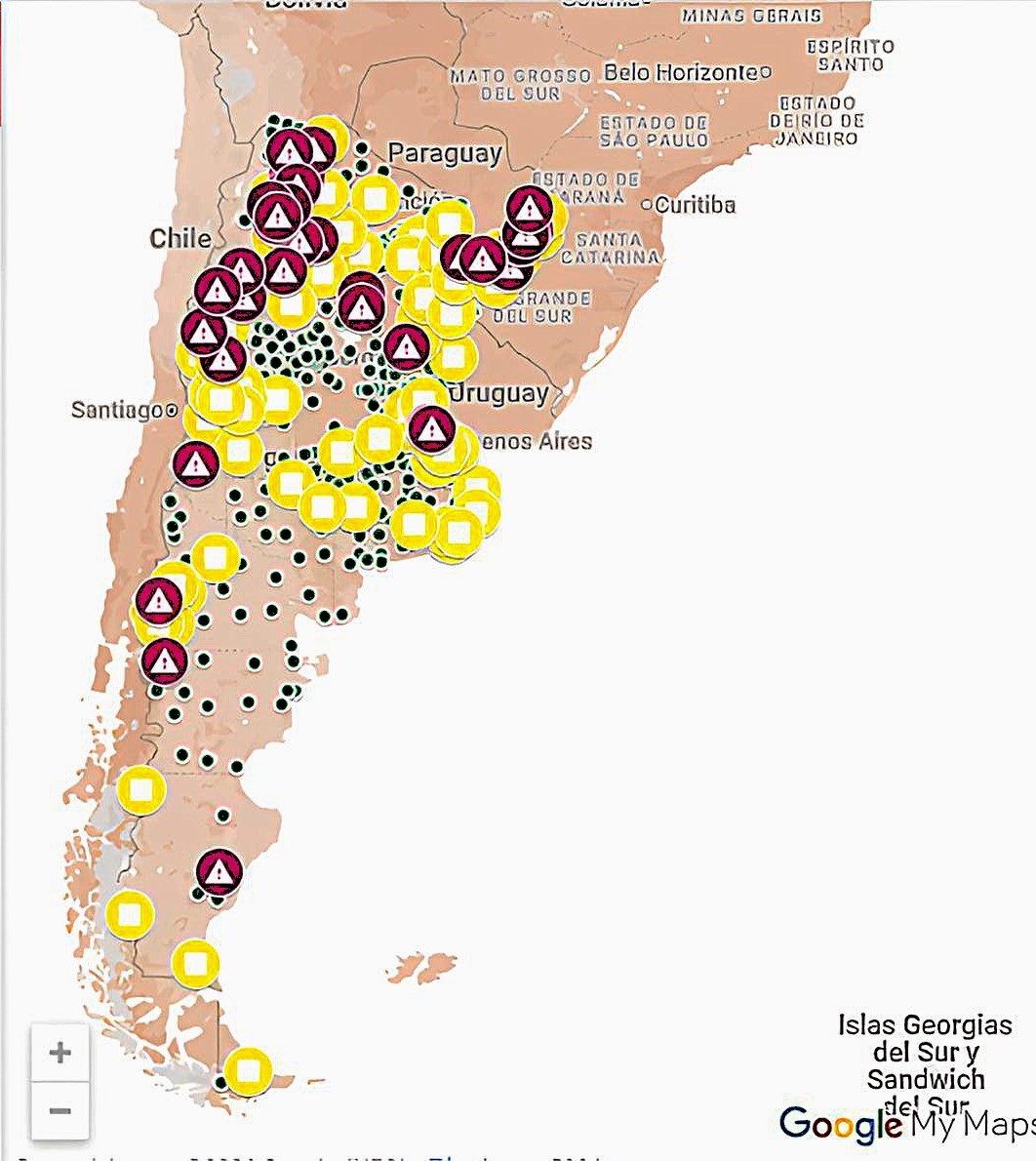
En este sombrío panorama, el caso Benetton se erige como el manual de operaciones. Sus 900.000 hectáreas patagónicas, adquiridas en 1991 por 50 millones de dólares, son el modelo de un holding global que convirtió la tierra pública, otorgada como pago de guerra a lores británicos en el siglo XIX, en un feudo privado.
Su historia es la de un plan maestro de vaciamiento soberano: camuflaron su origen británico durante la guerra de Malvinas, se rebautizaron con nombre local y hoy diversifican su dominio entre lana, carne, agricultura, forestación y minería. Su argumento de "tierra pobre" que requiere extensión para ser viable es la misma lógica que hoy justifica liberar las compras: presentar la riqueza nacional como un páramo, sólo valioso para quien tenga el capital externo para "desarrollarlo".
La conexión con la coyuntura actual es obscena. La intención del gobierno de Milei de modificar la Ley de Tierras, ya es un hecho. Se avanza en un desregulación que, en sincronía con incendios de dudoso origen como el de Chubut, allana el camino para que los recursos estratégicos pasen a manos extranjeras. El fuego que arrasa bosques y pastizales parece el preludio de una nueva catástrofe: la entrega definitiva del subsuelo, el agua y el territorio. Estados Unidos, principal titular con 2.7 millones de hectáreas, Italia y España consolidan sus posesiones en un momento donde la doctrina Monroe resurge con fuerza.
La pérdida de soberanía no se revela sólo en los mapas de Malvinas; se firma en cada contrato de venta, se consume en cada incendio intencional y se legaliza con cada reforma que diluye la protección del patrimonio nacional.
El Estado, lejos de ser el guardián, se ha convertido en el facilitador de una nueva Conquista del Desierto, esta vez ejecutada por fondos de inversión y corporaciones globales. Cuando la tierra deja de pertenecer a la Nación, la independencia se convierte en una ficción. El millón de hectáreas de Benetton no es una anomalía; es el símbolo de un país que, entre llamas y decretos, negocia su último pedazo de Patagonia. La soberanía, hoy, también se mide en hectáreas perdidas.
Tags
Otras noticias de Nacionales
El presente de las FUERZAS ARMADAS ARGENTINAS: de custodios de la PATRIA a choferes de UBER
Milei devalúa la Constitución y posterga la defensa de Malvinas a un futuro incierto
Quitarán el nombre del excombatiente correntino Orlando Pascua del Museo Nacional Malvinas