En un hecho sin precedentes para la democracia argentina, el actual ministro de Defensa y exjefe del Ejército, Carlos Presti, ha decidido romper con décadas de tradición jurídica y diplomática al calificar el hundimiento del Crucero ARA General Belgrano como un simple "acto de guerra". Sus declaraciones formuladas precisamente el 2 de abril, no solo representan una afrenta directa a los 323 héroes que custodian el lecho del Atlántico Sur, sino que desnudan una alarmante alineación de los mandos actuales con la narrativa británica.
El "Acto de Guerra" como escudo de la negligencia
Al afirmar que el ataque fue un evento "en combate", Presti intenta sepultar una verdad técnica ineludible que los medios nacionales han vuelto a poner sobre la mesa: el Belgrano fue torpedeado por el submarino nuclear HMS Conqueror a 231 millas marinas de la zona de conflicto, fuera de la Zona de Exclusión Total (ZET) impuesta unilateralmente por Londres.
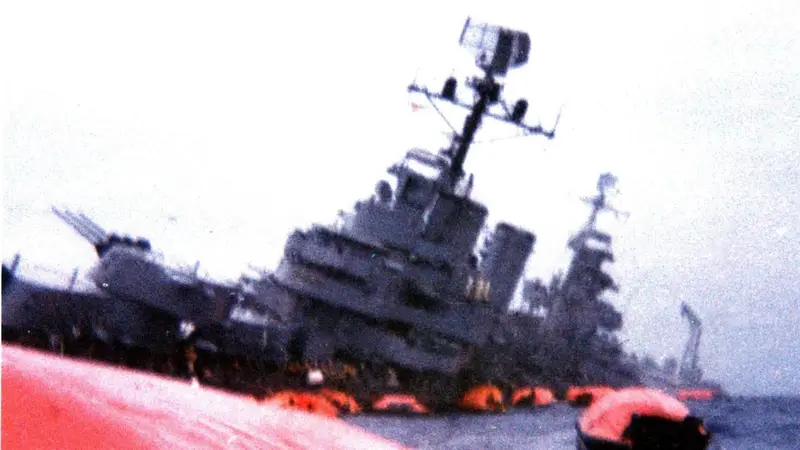
Pero hay una arista más oscura en esta "lectura técnica" del Ministro. Al normalizar el hundimiento como un acto bélico regular, Presti omite deliberadamente lo que el Informe Rattenbach detalló con crudeza: la absoluta falta de apresto de combate del buque. La tragedia se multiplicó porque el crucero no estaba preparado internamente; las esclusas y compartimentos estancos estaban abiertos, lo que provocó que las 9.000 toneladas de agua ingresaran sin resistencia, mandando al buque a pique en minutos. La "desorganización" que Presti calla fue la que condenó a nuestros marinos.
Repudio en el Congreso
La reacción política fue inmediata. El diputado Esteban Paulón (Bloque Provincias Unidas) presentó un proyecto de resolución para expresar un "más enérgico repudio" y exigir una rectificación pública. Paulón fue tajante: calificar el hecho como un acto de guerra es una "ofensa inexcusable" que desconoce las condiciones irregulares del ataque ordenado por Margaret Thatcher para dinamitar las negociaciones de paz de aquel mayo de 1982.
La Armada que huyó
La nota crítica no puede obviar el comportamiento de la superioridad naval de la época. Mientras el Belgrano se hundía, el entonces jefe de la Armada, Jorge Isaac Anaya, ordenó el repliegue de la flota de mar. Los buques argentinos huyeron del teatro de operaciones hacia "puertos seguros" en las costas patagónicas, Puerto Belgrano y Mar del Plata, abandonando la lucha en las aguas y dejando el control total al enemigo británico.
La postura de Presti no es una "opinión técnica"; es una decisión política de desmalvinización. Al no reconocer el crimen de guerra, el Ministerio de Defensa le quita a la Argentina una herramienta fundamental de reclamo internacional y traiciona el sacrificio de casi la mitad de las bajas totales de la guerra.
A 44 años de la gesta, la herida sigue abierta porque, mientras el pueblo honra a sus muertos, sus mandos parecen más interesados en validar las órdenes de Thatcher que en defender la verdad histórica de la Nación.
Tags
Otras noticias de Nacionales
Weretilneck autorizó por decreto la construcción de tres represas privadas a los qataríes
RÍO NEGRO S.A.: LA RUTA DEL DINERO ÁRABE QUE UNE A WERETILNECK Y A LA AFA CON LA ENTREGA DE TIERRAS
La Pampa exige la nulidad de la reforma a la Ley de Glaciares