El sur argentino, aquel que durante el otoño de 1982 se convirtió en el escudo y la lanza de nuestra soberanía, vive hoy una jornada de transformación en su infraestructura aeroportuaria. Los aeropuertos de Río Gallegos (Santa Cruz) y Río Grande (Tierra del Fuego), protagonistas indiscutibles de la logística de guerra y hoy pilares de la conectividad antártica y regional, son noticia por la actualización de sus capacidades operativas.
Río Gallegos: El regreso del gigante santacruceño
Tras casi cuatro meses de intensos trabajos, el Aeropuerto Internacional "Piloto Civil Norberto Fernández" de Río Gallegos volvió a quedar operativo el martes 22 de diciembre.
Con una inversión de u$s29 millones, la obra contempló la renovación total de los 2.750 metros de la pista. Los trabajos no fueron menores: se utilizaron 12.000 metros cúbicos de hormigón y 38.000 toneladas de asfalto para garantizar que la terminal pueda recibir aeronaves de gran porte.
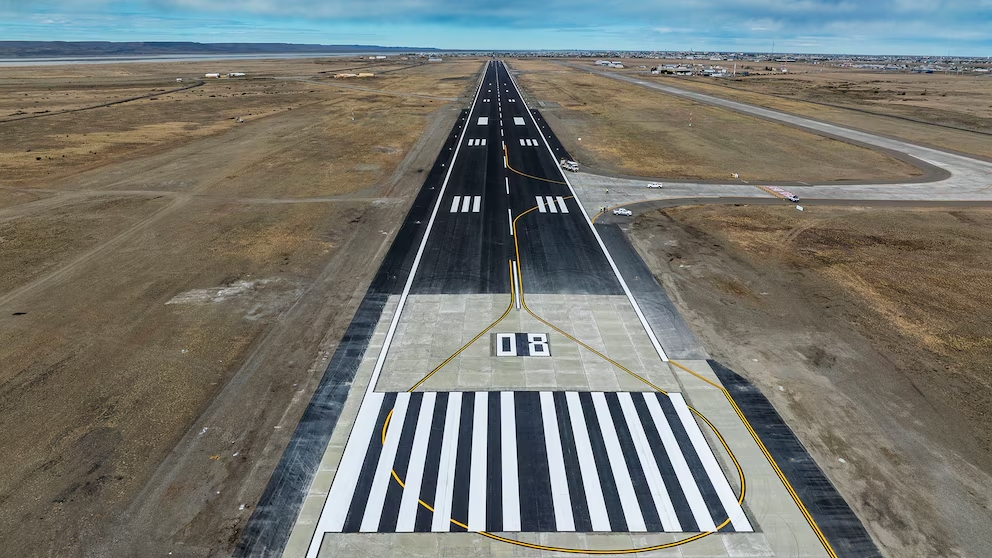
Desde una perspectiva soberana, la mejora en el balizamiento y la instalación de un nuevo sistema de detección de hielo no solo optimizan el tráfico comercial —que retomó sus vuelos con un servicio de Aerolíneas Argentinas a las 2:10 AM— sino que fortalecen la capacidad de respuesta logística en una zona de valor estratégico frente a nuestras Islas Malvinas.
Río Grande: Un cierre temporal para una mejora necesaria
Mientras Gallegos celebra su reapertura, en la Isla Grande de Tierra del Fuego el panorama es de transición. El Aeropuerto "Ramón Trejo Noel" de Río Grande suspendió sus operaciones este lunes 5 de enero y permanecerá cerrado, en principio, hasta el 15 de abril.
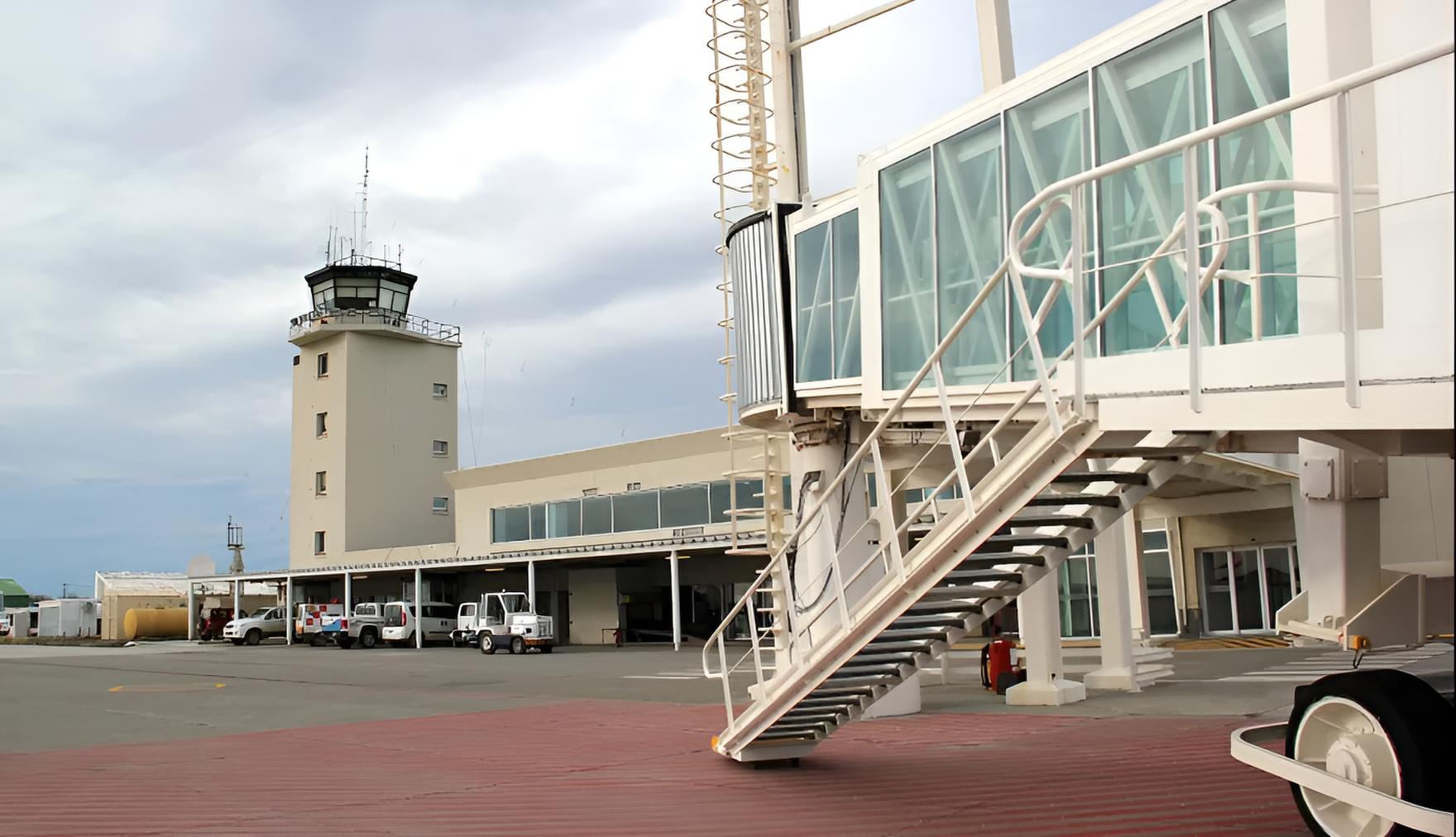
La terminal fueguina, desde donde partieron misiones históricas de la Aviación Naval y la Fuerza Aérea en 1982, recibirá una inversión de u$s37 millones. El plan de modernización es ambicioso e incluye:
- Rehabilitación completa de la pista 08-26: Con asfalto modificado con polímeros para resistir las exigencias climáticas extremas.
- Tecnología LED: Reemplazo de 250 luminarias para mejorar la visibilidad y eficiencia.
- Seguridad operativa: Instalación de sistemas de energía ininterrumpida (UPS) y sensores de hielo en tiempo real.
- Nueva plataforma comercial: Demolición de la actual y construcción de una superficie de hormigón que permitirá ampliar el área de maniobra para aviones.
Impacto logístico: Durante estos meses, los 300 pasajeros diarios que promedia la terminal deberán trasladarse por tierra hacia Ushuaia, lo que exige una reorganización del transporte interurbano en la provincia.
El valor de la infraestructura en el Atlántico Sur
La modernización de estos aeropuertos no debe leerse meramente como una mejora técnica o comercial. Tanto el "Norberto Fernández" como el "Trejo Noel" son piezas fundamentales del andamiaje que sostienen la soberanía argentina en el extremo sur.
Una pista con capacidad para recibir aviones de gran porte y sistemas de navegación de última generación en Santa Cruz y Tierra del Fuego, es una declaración de principios sobre la importancia de la conectividad en la Patagonia Austral.
Mientras Río Gallegos recupera su ritmo habitual, Río Grande inicia un camino de renovación que, una vez concluido, pondrá a la terminal fueguina a la altura de las exigencias internacionales, asegurando que el puente aéreo con el continente y el apoyo a la proyección atlántica sigan más firmes que nunca.
Tags
Otras noticias de Nacionales
Quitarán el nombre del excombatiente correntino Orlando Pascua del Museo Nacional Malvinas
EN EL MAR ARGENTINO NO SE PUEDE APLICAR NINGÚN PROGRAMA DE PROTECCIÓN DE BIENES COMUNES GLOBALES
El Senado frenó el proyecto de Ley de Extranjerización de Tierras