
Por un lado, el control externo cada vez es más explícito: “nosotros ayudamos a ganar a Milei” (Donald Trump) “la inusual flotilla de aviones con los mandamás del JP Morgan” y la presencia de Tony Blair y Condoleezza Rice para definir la parte; por el otro, algunos argentinos están aprendiendo y, es muy probable que los funcionarios de los gobiernos que no satisfagan las más básicas necesidades y aspiraciones de sus comunidades serán objeto de duras críticas y, sufrirán el voto castigo, si es que estamos a tiempo.
Muchos de los errores, incapacidades y malas administraciones de los gobernadores han pasado desapercibidos frente a la gran exposición de la grave crisis del país. Los menos, por el contrario, se destacan frente a la mediocre e irresponsable administración nacional.
No avanzaré sobre la debilidad y la dependencia con el gobierno central –que se acrecentará con la intervención extraña- que tienen muchos de los gobiernos provinciales en materia de explotación y aprovechamiento de sus recursos; la radicación industrial y la incapacidad para comercializar la producción. Si no son sustentables las provincias no pueden ser autónomas. Esto queda en evidencia cuando los senadores y diputados votan en el Congreso leyes del Poder Ejecutivo Nacional que desactivan el consumo interno; encarecen los insumos, bienes y servicios básicos; dificultan la radicación industrial y reducen a cero las inversiones en rutas y conectividad. Los gobiernos de provincias son presos de su dependencia.
En una oportunidad, conversando con el gobernador de una provincia del NOA respecto a los emprendimientos mineros, diques, etc. en los que se exigía en los pliegos de licitación a los prestadores de servicios de alimentación que los productos a suministrar fueran de primera marca, le pregunté por qué se establecía esa cláusula; a lo cual me respondió que los operarios debían comer el mejor alimento. Craso error: la primera o segunda marca o las marcas blancas no son diferentes en su calidad y sanidad, porque el Código Alimentario Argentino y el Decreto 4238/68 de inspección de productos animales lo prohíbe. Son, en todo caso, marcas más conocidas en la población por una cuestión de marketing empresario y una continuidad en el mercado. De hecho, productos menos conocidos, que tienen buena venta, son comprados rápidamente por las grandes empresas.
Pero este tema, adquiere una dimensión mayor en el desarrollo de las provincias menos favorecidas, ya que el gobernador que exigía proveer alimentos de primera marca no tenía prácticamente productos de esta calificación en su provincia y, la consecuencia era que volúmenes altísimos de alimentos se debían adquirir, en las provincias de Buenos Aires, Santa Fe y Córdoba. Es decir, toda la generación de recursos económicos producidos en su provincia, se extraían como con una aspiradora en favor del crecimiento de terceras provincias con mayor desarrollo industrial y productivo. Cuestión, que ocurre del mismo modo, con los hipermercados que proveen estas marcas acreditadas y se llevan de las provincias los sueldos de empleados públicos y privados.
Hay casos más graves aún; pero, mencionaré uno emblemático: Tierra del Fuego. Su economía depende en gran medida de la ley 19.640 de régimen especial fiscal y aduanero de exención impositiva que cuestionan casi todas las provincias restantes; aunque, fundamental desde el punto de vista poblacional y estratégico. No obstante, no ha logrado llevar adelante ni siquiera un proyecto de transformación pesquero pese a las grandes potencialidades que tiene su territorio insular y marítimo.
Tierra del Fuego, es la segunda provincia del litoral marítimo, que menos productos pesqueros descarga. Su vecina Santa Cruz desembarca unas 115.000 toneladas anuales de especies pesqueras y, Tierra del Fuego solo alcanza a las 33.000 (29%). El Puerto de Mar del Plata está ubicado a una distancia similar a Río Grande y Ushuaia de los caladeros de langostino (Pleoticus muelleri); pero, la primera desembarca unas 12.000 toneladas anuales y, Tierra del Fuego ni un kilo.
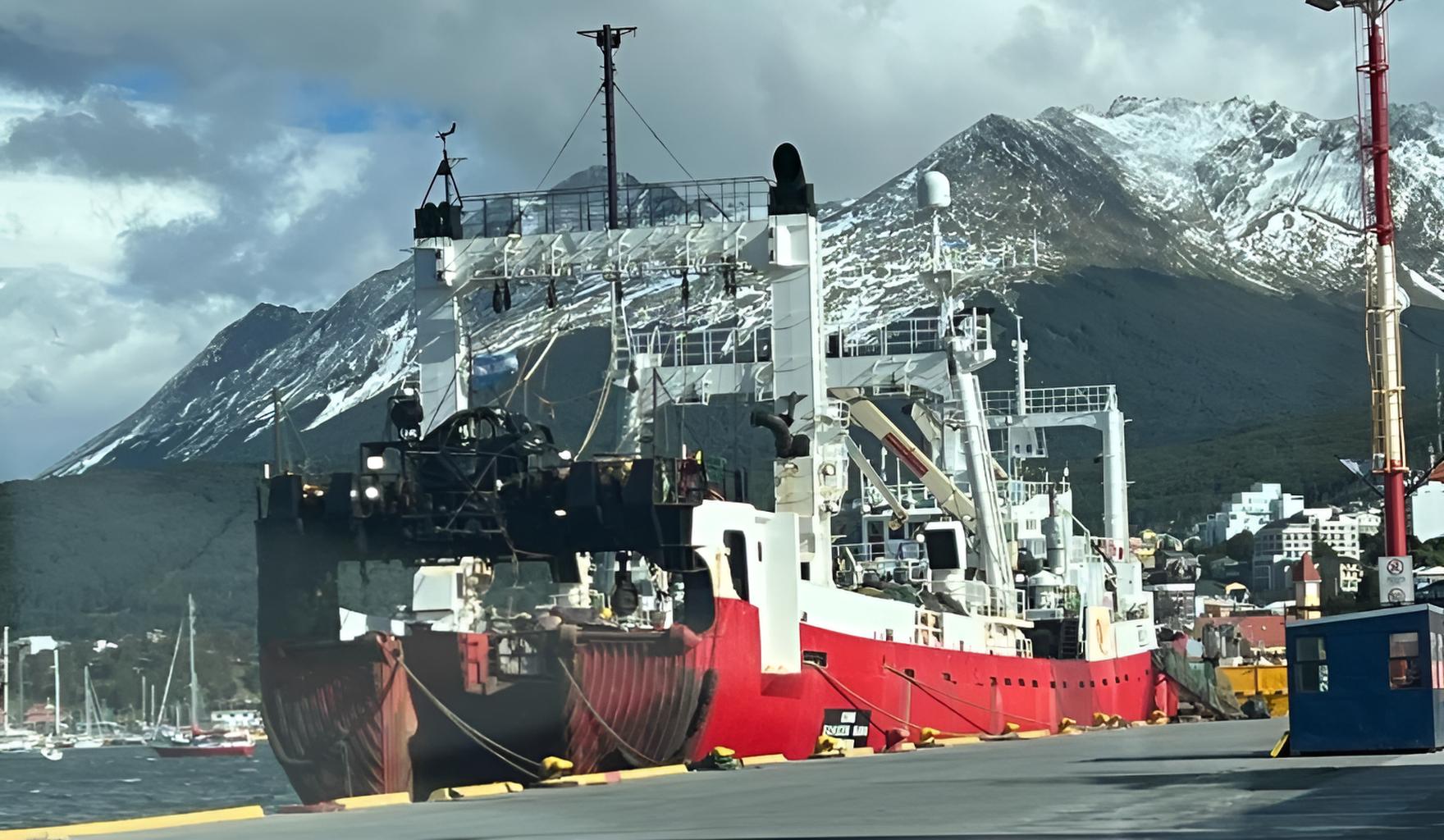
Las provincias del litoral marítimo han mantenido un volumen relativo de desembarcos anuales; sin embargo, la Provincia de Tierra del Fuego redujo sus descargas de 94.333 toneladas anuales en 2008 a 33.000 en 2024. Además de ser la que menos valor agrega a las exportaciones, a desembarcado escasas capturas de calamar illex y merluza hubbsi contrastando también con su vecina Santa Cruz que entre ambas especies capturó 56.000 en 2024 y, sus exportaciones, alcanzan solo a unos 70 millones de dólares, fundamentalmente derivados de la exportación de unas 3.000 toneladas de Merluza Negra, de alto valor y bajo valor agregado. Todo ello pese a las ventajas impositivas. Y aunque el Grupo Newsan SA radicado en Ushuaia ocupa el primer lugar en las exportaciones pesqueras argentinas, ello es producto de las inversiones que tiene en Buenos Aires, Chubut y Santa Cruz donde captura, procesa y exporta las tres principales especies argentinas: langostino, merluza hubssi y calamar illex.
Lo que ocurre en Tierra del Fuego contrasta con las 250.000 toneladas anuales que se pescan en Malvinas, un territorio invadido de Tierra del Fuego, sin que la Provincia haya iniciado acción alguna al respecto.
El gobierno de Tierra del Fuego solo administra la Isla Grande, un pequeño territorio del total de la Provincia, llevando a debilitar no solo la soberanía provincial sino también la nacional y, ese gobierno, parece no haberse dado cuenta, pese al artículo 2° de la Ley 23.775 de Provincialización de Tierra del Fuego, Antártida e Islas del Atlántico, que tiene sus atribuciones limitadas: «…la nueva provincia queda sujeta a los tratados con potencias extranjeras que celebre el gobierno federal, para cuya ratificación no será necesario consultar al gobierno» que, si bien a nuestro juicio es inconstitucional, es una verdadera espada de Damocles.
El gobierno provincial se sigue asumiendo como un mero delegado del poder central, como cuando la Provincia se trataba de un mero Territorio Nacional, ya que es inadmisible que, teniendo gran parte de su jurisdicción invadida no ha podido erradicar de Tolhuin el radar de capitales británicos; la empresa británica Harbour Energy que viola la Ley 26.659; la empresa LATAM que no reconoce la autoridad provincial en un Aeropuerto de su jurisdicción, etc. Una verdadera prolongación de la invasión del Reino Unido en Argentina.
Los resultados en Tierra del Fuego son una clara demostración que el Gobernador no está atendiendo las necesidades de su población y, como dijimos, las exigencias externas e internas crecerán porque su jurisdicción está en disputa y el pueblo ya lo ha entendido.
Frente al “alineamiento” del gobierno de Milei a Estados Unidos que parece profundizarse con la designación como Ministro de Relaciones Exteriores de Pablo Quirno quién el 12 de agosto de 2013 posteo: «¿Y si el referéndum que hicieron en Malvinas lo hacemos acá? ¿Tendría un resultado diferente?» (sic), todo parece indicar que se va a necesitar un gobernador con una mirada más inteligente, menos tolerante y más allá de la Isla Grande.
Dr. César Augusto Lerena
Experto en Atlántico Sur y Pesca – Ex Secretario de Estado
cesarlerena.com.ar
Publicado en Perfil, el martes 28 de octubre de 2025.
Tags
Otras noticias de Nacionales
La Argentina formalizó su demanda ante el Tribunal del Mar para frenar las petroleras en Malvinas
La Federación Argentina de Municipios respaldó la demanda de Río Grande contra las petroleras en Malvinas
NO ES PASO INOCENTE EL TRANSPORTE MARÍTIMO ENTRE PUNTA ARENAS Y MALVINAS


