Un nuevo informe de la Jefatura de Gabinete ha puesto en evidencia una crisis que socava las bases de las Fuerzas Armadas argentinas. Lejos de la promesa de fortalecer la defensa nacional, el actual gobierno enfrenta una ola de desvinculaciones sin precedentes que, según los datos, se explica principalmente por la brecha salarial y la falta de perspectivas profesionales.
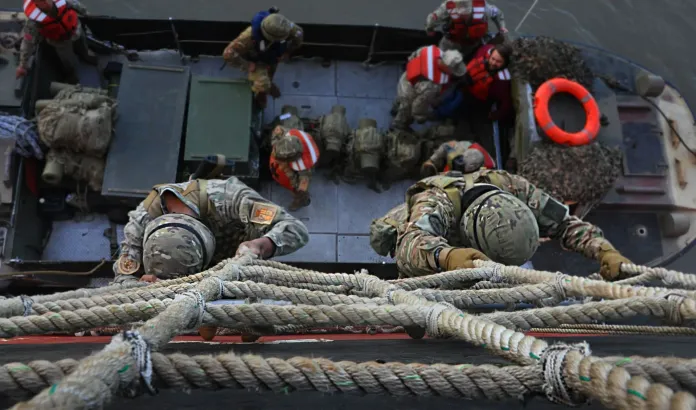
Desde el 10 de diciembre de 2023, la institución ha perdido a más de 15.000 efectivos entre oficiales, suboficiales y, de manera alarmante, soldados voluntarios. Este éxodo masivo, que representa un vaciamiento de personal y capacidades, ha dejado al descubierto un problema estructural de profunda gravedad que compromete la seguridad y la soberanía del país.
El impacto de los bajos salarios
La principal causa de esta sangría, según el propio Ministerio de Defensa, es la insuficiente remuneración. Los salarios de los militares han perdido poder adquisitivo de forma acelerada, creando una brecha significativa con las fuerzas de seguridad provinciales y federales. En un contexto económico adverso, muchos uniformados optan por un cambio laboral que les ofrezca mejores condiciones de vida.
La pérdida es particularmente grave en la tropa voluntaria. El Ejército Argentino perdió a más de 10.000 soldados voluntarios, lo que representa el 85% de las bajas en esa fuerza. Cifras similares se replican en la Fuerza Aérea (80%) y la Armada (79%), evidenciando un patrón de precarización que afecta a la base de la pirámide militar.
Pérdida de experiencia y formación estratégica
Este fenómeno no es solo una baja numérica, sino una pérdida irreparable de capital humano. Cada oficial, suboficial o soldado con años de experiencia y formación especializada representa una inversión millonaria que, al abandonar la institución, se traduce en un déficit operativo.
La salida de personal capacitado en áreas críticas obliga a la institución a invertir tiempo y recursos en la formación de nuevos efectivos, en un círculo vicioso que dificulta revertir la situación. Esto se ve en casos como el de Córdoba, donde, según el medio Zona Militar, muchos efectivos pasaron a formar parte de la Fuerza Policial Antinarcotráfico (FPA), dejando a las unidades militares con un déficit de personal y experiencia.
"El Ejército Argentino perdió una enorme cantidad de capacidades, ya que no solo afecta la orgánica de estos elementos, sino que su recuperación demandará una considerable inversión de tiempo y recursos," señalan desde el medio.
La situación se vuelve aún más crítica si consideramos que la formación de pilotos, técnicos o jefes de unidad tarda años y cuesta millones. La Fuerza Aérea, por ejemplo, formó a 252 nuevos oficiales pilotos entre 2020 y 2024, pero en el mismo período, 268 se fueron de baja y otros 420 se retiraron.
Riesgo para la defensa nacional y el futuro de las Fuerzas Armadas
La deserción de profesionales calificados compromete la capacidad de respuesta ante amenazas emergentes y la participación en misiones internacionales. Sin una política de retención efectiva y de valorización del recurso humano, resulta imposible mantener las capacidades básicas que sustentan la misión constitucional de las Fuerzas Armadas.
Este escenario se agrava con el desfinanciamiento de la obra social de las Fuerzas Armadas (IOSFA), que ha dejado al personal en una situación crítica para acceder a servicios de salud. El deterioro de las condiciones laborales y la falta de un horizonte profesional claro chocan con la vocación de servicio, llevando a un retiro masivo que debilita el sistema de defensa y pone en riesgo la seguridad nacional.
La situación actual revela una paradoja dolorosa: mientras el discurso oficial enfatiza la necesidad de modernizar la defensa, la institución sufre una hemorragia interna que compromete su futuro. La pregunta que surge es si los anuncios de reequipamiento son sostenibles sin un plan serio que valore y retenga al personal que hace posible el funcionamiento de las Fuerzas Armadas.
Tags
Otras noticias de Nacionales
La Fuerza Aérea Argentina recupera capacidad supersónica con el arribo de los primeros F-16
Reconocen a 470 Ex Soldados Continentales en medio de una antigua controversia Nacional
Mañana arribarán a la Argentina los seis primeros cazabombarderos F-16