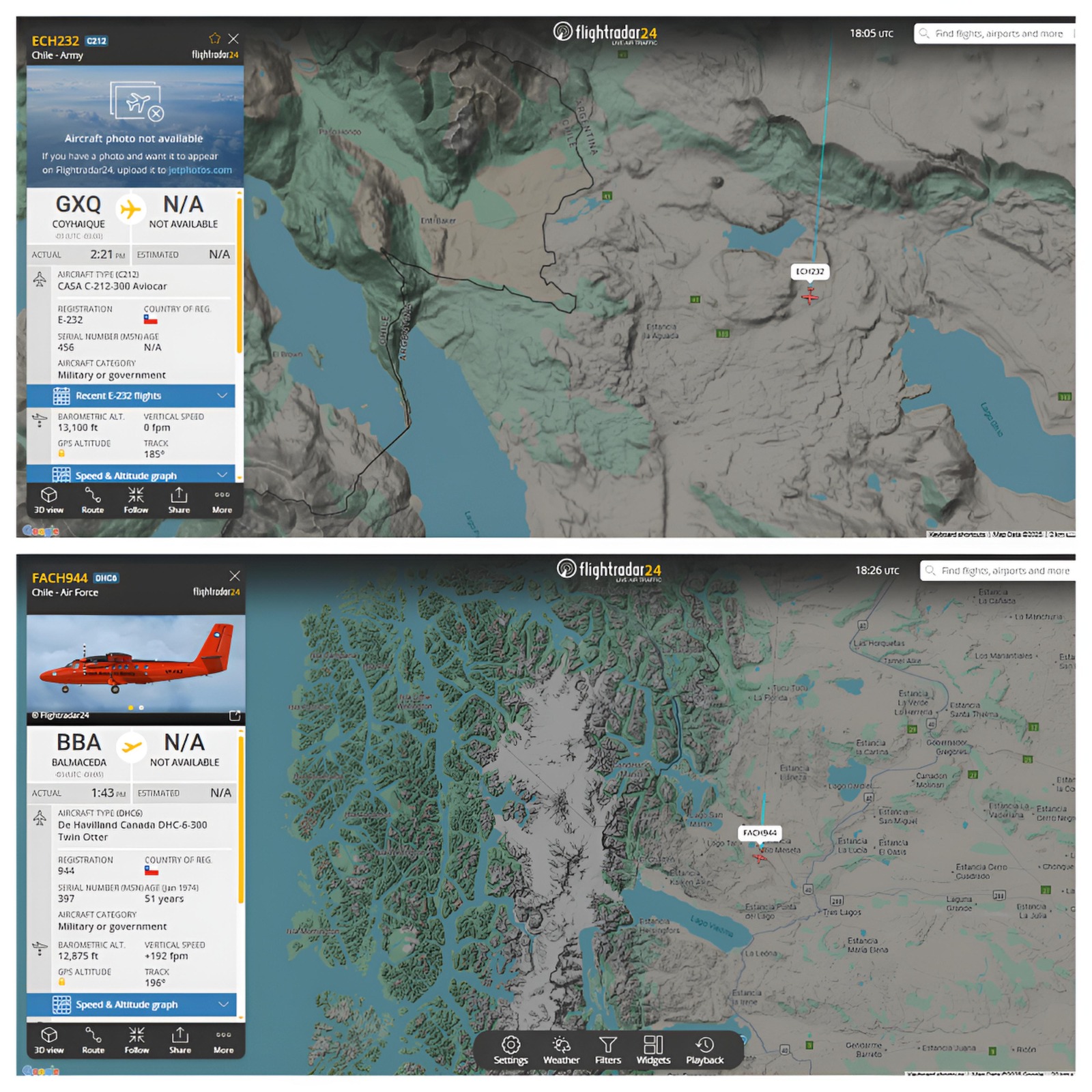
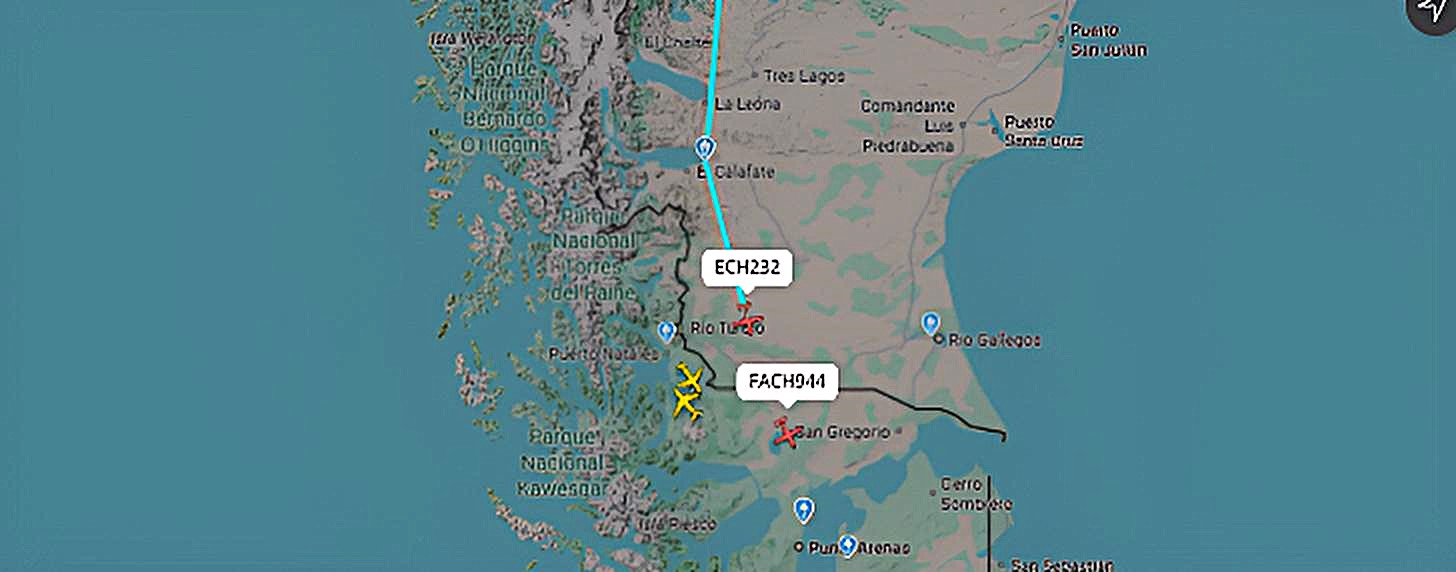
El hecho, registrado por Agenda Malvinas a través de la precisa plataforma de seguimiento satelital de vuelos www.flightradar24.com, -entre las 15 y las 17 de este jueves 20 de noviembre de 2025-, involucra a un avión CASA 212 E-232 del Ejército Chileno y al Twin Otter FACH-944 de la Fuerza Aérea Chilena; volando en sentido norte a sur, al este de la Cordillera de los Andes, e ingresando al territorio argentino; en el límite mismo de Santa Cruz y su vecina Chubut.
El Twin Otter FACH-944 despegó del aeropuerto de Balmaceda a las 13:43 y el CASA 212 E-232 a las 14:21 de Coyhaique. Ambos volaron hasta Punta Arenas donde aterrizaron con una diferencia de 10 minutos alrededor de las 17.
Este suceso reaviva la discusión sobre los acuerdos de sobrevuelo y la reciprocidad en el uso del espacio aéreo entre Argentina y Chile, especialmente en lo que respecta a las aeronaves de Estado extranjeras (militares, policiales o de servicios de seguridad/aduanas).
Marco Regulatorio y los Vuelos Militares
El Código Aeronáutico Argentino establece la potestad exclusiva del Poder Ejecutivo Nacional para la defensa y control policial del espacio aéreo. Si bien existe una creciente liberalización en la aviación civil comercial (favorecida por acuerdos de "Cielos Abiertos" que facilitan la operación de aerolíneas entre ambos países y el cabotaje en una modalidad de "origen/origen"), las reglas para aeronaves militares son estrictas y diferentes.
- Aeronaves de Estado Extranjeras: Las regulaciones argentinas exigen que el sobrevuelo, aterrizaje, o amaraje de estas aeronaves en territorio nacional cuenten con la autorización previa del Poder Ejecutivo, delegada en el Ministerio de Defensa a través de la Fuerza Aérea Argentina.
- ¿Reciprocidad?: El foco del interrogante periodístico reside en si los aviones de las Fuerzas Armadas Argentinas gozan de la misma facilidad y frecuencia para sobrevolar el espacio aéreo chileno, o si los recientes vuelos chilenos responden a un acuerdo específico y balanceado, o si, por el contrario, representan un uso asimétrico de los cielos.
Antecedentes de vuelos No autorizados
No es la primera vez que se plantean interrogantes sobre sobrevuelos chilenos en territorio argentino. En agosto de 2022, por ejemplo, la Cancillería argentina solicitó información al Gobierno de Chile tras la detección de aeronaves que ingresaron al espacio aéreo argentino sin los permisos correspondientes, un hecho que generó alarma, especialmente por la ubicación austral y su posible destino a las Islas Malvinas. Posteriormente, las autoridades chilenas llegaron a reconocer públicamente un "error" en un sobrevuelo no autorizado.
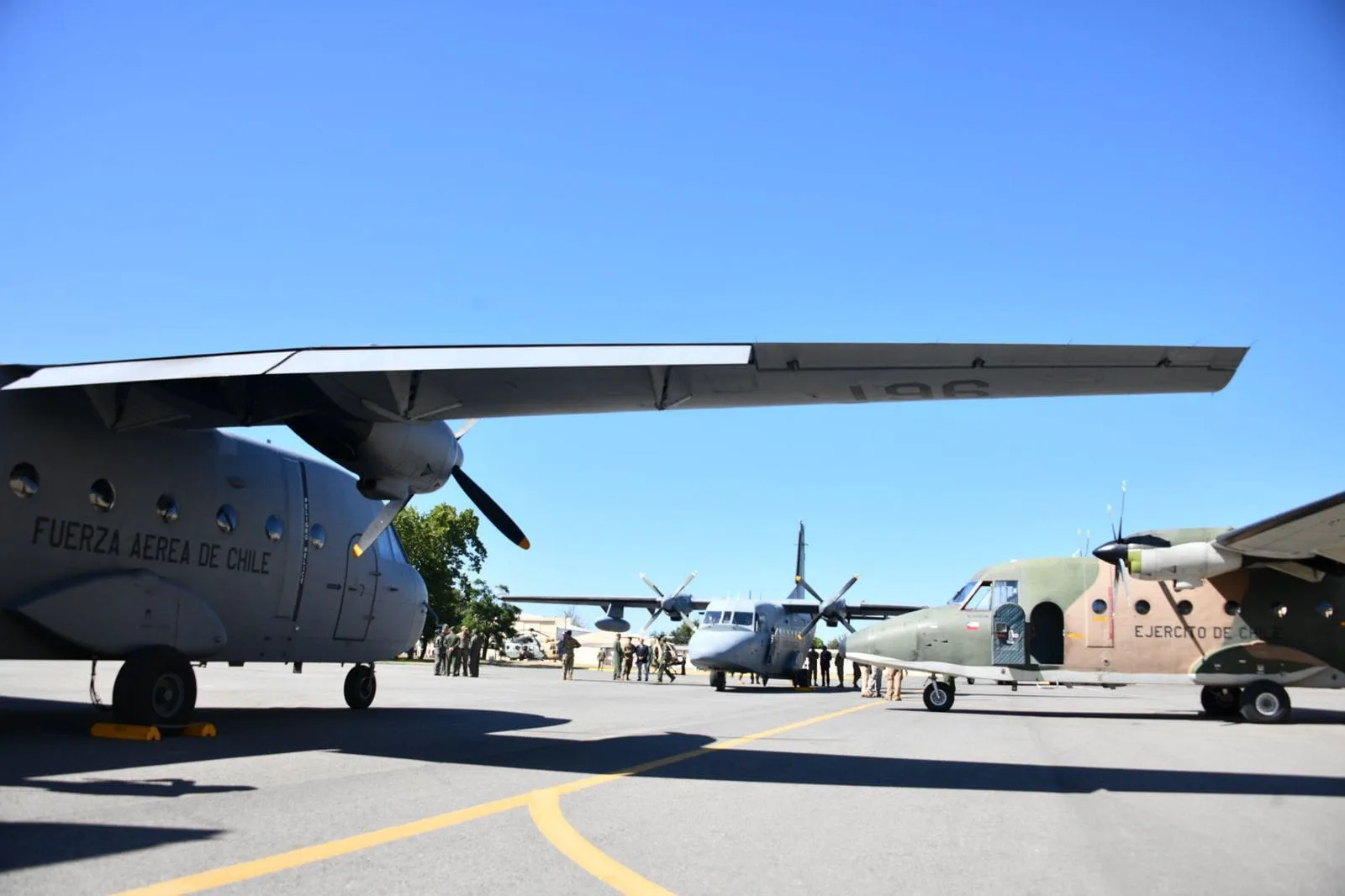
La detección de un CASA 212 y un Twin Otter —aviones de transporte y enlace, comunes en operaciones militares y logísticas— en una ruta norte-sur sobre la costa atlántica de Santa Cruz, obliga a las autoridades a responder:
1. ¿Contaban estas aeronaves con el permiso de sobrevuelo militar (ASM) emitido por Argentina?
2. Si existía el permiso, ¿cuál es la naturaleza de la misión que justifica el cruce por territorio continental argentino?
3. ¿Existe un tratado o convenio militar que establezca una equivalencia en la libertad de maniobra aérea para las fuerzas armadas de ambos países?
El incidente subraya la necesidad de transparencia y el refuerzo de los mecanismos de coordinación binacional para evitar malentendidos que afecten la sensibilidad en torno a la soberanía aérea.
Tags
Otras noticias de Nacionales
Dura réplica de Cancillería tras las quejas británicas por el arbitraje del Tribunal del Mar
Denunciaron a Harbour Energy y a la Secretaría de Energía por el RIGI otorgado a pesar de operar en Malvinas
Quirno explicó por qué ir al Tribunal del Mar si el plan petrolero británico en Malvinas no se detiene