La inauguración del nuevo Museo de la Guerra de Malvinas en Bariloche, en la provincia argentina de Río Negro, ha desatado una nueva escalada en la contienda de la memoria y la verdad histórica sobre el conflicto del Atlántico Sur de 1982. La estimación del museo de que las bajas británicas podrían ascender a 1.200 muertos, una cifra que casi quintuplica la oficial de 255, ha provocado la "indignación" de veteranos del Reino Unido, encendiendo un nuevo frente en la "guerra de Malvinas" no con armamento, sino con información y narrativa.

El diario británico Daily Mail se hizo eco del malestar de los excombatientes, quienes acusan al gobierno argentino de un "patético intento de reescribir la historia". Según el medio, la molestia británica se centra en la cifra de bajas y en la presentación de la guerra como una "represalia legítima" argentina ante un presunto ataque británico a civiles, distorsionando, a su juicio, la realidad de la invasión de la Junta Militar.
El secreto que genera la sospecha
La vehemencia del rechazo británico subraya la principal razón de la persistente duda argentina: el mantenimiento del secreto por parte del Reino Unido sobre los archivos sensibles de la guerra hasta el año 2072.
Para Argentina, la decisión británica de ocultar la información hasta una fecha tan lejana alimenta las sospechas de un encubrimiento gubernamental sobre la verdadera magnitud de las pérdidas.
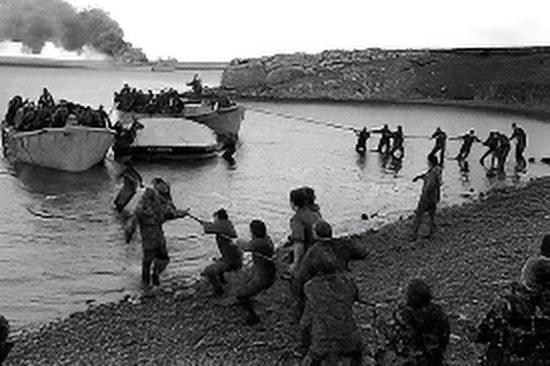
Pero no se trata solo una cuestión de números, sino del muro infranqueable de silencio que rodea el conflicto, lo que podría otorgarle legitimidad a las estimaciones y narrativas alternativas, como la presentada en el museo de Bariloche.
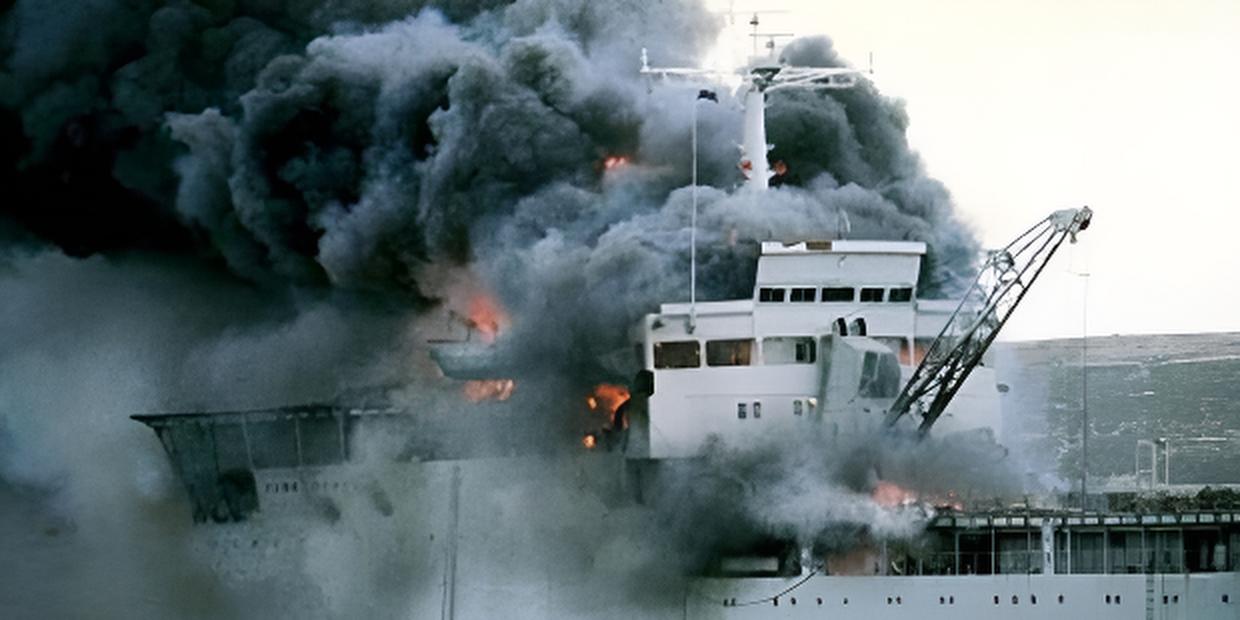
La suposición argentina de mayores bajas británicas se sustenta en el poder de fuego efectivo de las fuerzas argentinas. A pesar de las limitaciones logísticas, el desempeño de la Fuerza Aérea Argentina y de la Aviación Naval causó un daño significativo a la flota de tareas británica.
Impacto a la flota
Los hechos de la guerra, incluso con las cifras oficiales, demuestran que las fuerzas argentinas lograron infligir un castigo considerable a la flota británica, poniendo en jaque su superioridad naval:
|
Situación |
Buques de la Royal Navy y RFA |
Nombres |
|
Hundidos / Destruidos |
8 |
HMS Sheffield (Destructor D-80), HMS Coventry (Destructor D-118), HMS Ardent (Fragata F-184), HMS Antelope (Fragata F-170), RFA Sir Galahad, RFA Sir Tristram, Atlantic Conveyor (Portacontenedores). |
|
Fuera de Combate / Averías de Consideración |
Aprox. 8 |
HMS Glasgow (Destructor D-88), HMS Argonaut (Fragata F-56), HMS Antrim (Crucero D-18), HMS Glamorgan (Crucero D-19), HMS Broadsword (Fragata F-88), HMS Brilliant (Fragata F-90). |
|
Averiados (Menor consideración) |
Aprox. 10 |
HMS Hermes (Portaaviones, según versiones), HMS Exeter, HMS Fearless, RFA Tidepool. |
En cuanto a las aeronaves, las fuentes oficiales británicas reconocen la destrucción de 34 aeronaves (entre aviones y helicópteros), incluyendo 6 aviones Sea Harrier FRS. 1 y 4 Harrier GR. 3. Otras fuentes argentinas elevan la cifra de Harriers perdidos. El daño material y humano fue un factor de presión que, sumado a la ayuda logística y militar decisiva de EE. UU. (con misiles AIM-9L Sidewinder y soporte de inteligencia) y la colaboración de terceros países (Chile y Panamá con combustible), fue vital para que la Fuerza de Tareas británica pudiera completar la operación.
La narrativa en disputa: La continuidad de la Guerra
La polémica abierta por el museo de Bariloche, evidencia que a más de cuatro décadas de los combates, la guerra de Malvinas; continúa. Ahora la disputa se ha trasladado al plano mediático y cultural.
Para la Argentina, país cuyas Islas fueron usurpadas en 1833, el museo no es un simple repositorio de objetos, sino una plataforma para impugnar la versión oficial de la potencia ocupante, manteniendo viva la memoria de la gesta y el reclamo soberano. El descontento de los veteranos británicos, reportado por el Daily Mail, solo confirma la efectividad de esta contraofensiva mediática para desafiar la narrativa de la "victoria inmaculada" del Reino Unido, utilizando el propio velo de secretismo británico como arma.
La batalla por la verdad durante la guerra y la soberanía de Malvinas se libra hoy también en los museos y en las páginas de los diarios.
Tags
Otras noticias de Malvinas
Gran Bretaña prorrogó por cinco años las licencias petroleras en Malvinas y habilitó la expansión de Navitas
Gran Bretaña activa nuevos ejercicios militares en las Islas Malvinas
Cuarenta empresarios de la colonia británica de Malvinas desembarcarán en Punta Arenas