La adquisición de los vehículos blindados sin uso en EE.UU, valorada en aproximadamente 100 millones de dólares por 27 unidades, fue confirmada por el ministro de Defensa, Luis Petri, durante una ceremonia en el Pentágono junto al secretario de Defensa norteamericano Pete Hegseth, en la que ambos hicieron bandera de un supuesto paso adelante en la “defensa de la libertad”.
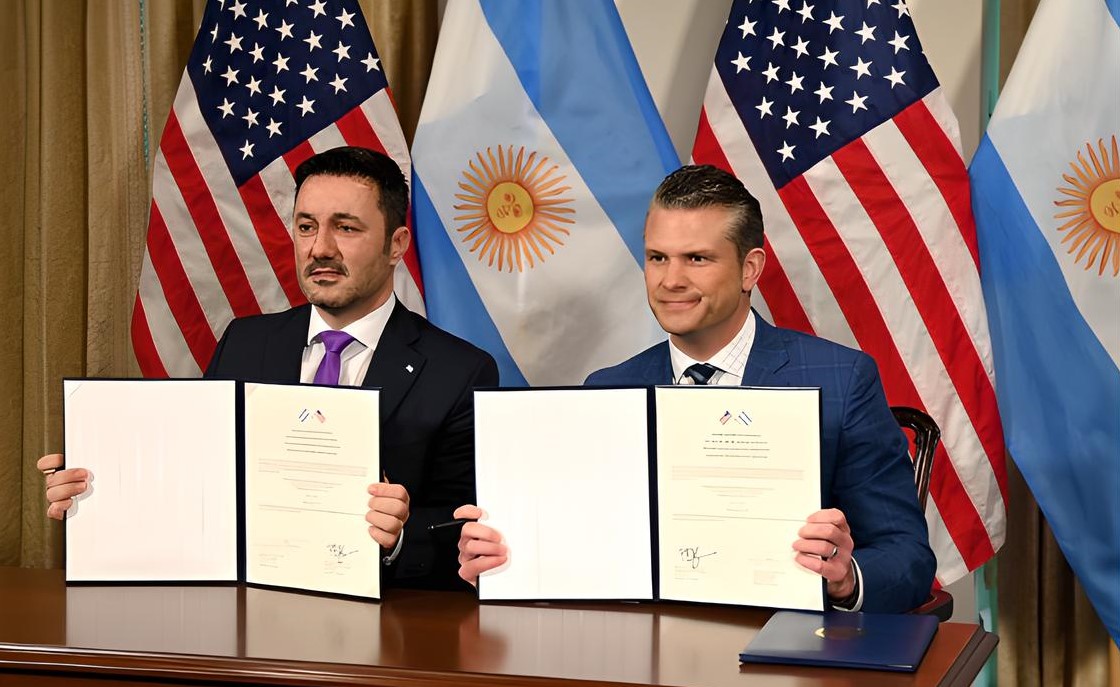
Pero ese optimismo contrasta con la mirada crítica de sectores militares y políticos, que advierten sobre las implicancias de esta compra. La decisión fue tomada ignorando la propuesta de Brasil, que brindaba vehículos similares en calidad y cantidad, por un valor aproximadamente 32 millones de dólares menor.
La oferta brasileña incluía la entrega de 161 unidades del modelo Guaraní, recién fabricadas, con tecnología propia, y con la ventaja de ofrecer transferencia tecnológica, producción local y mayor integración regional.
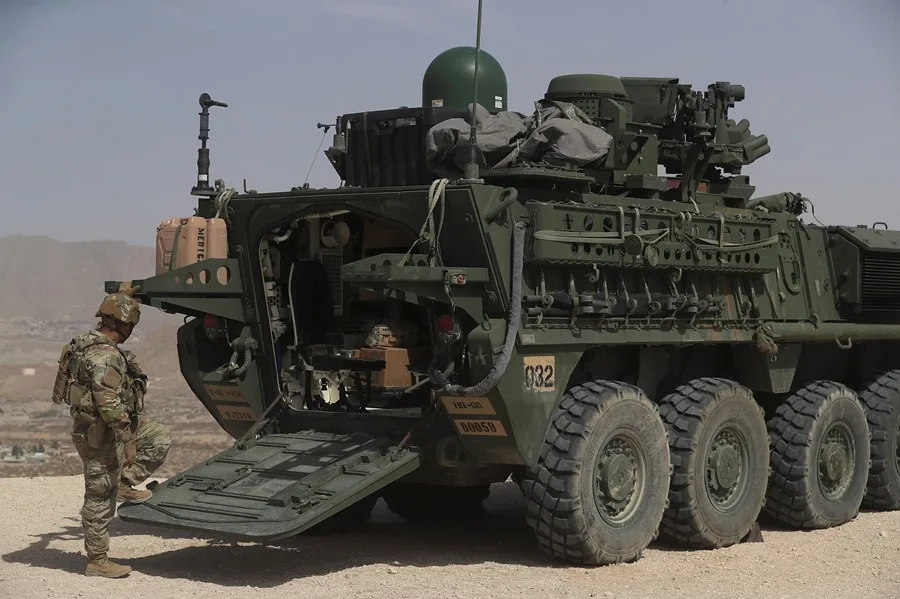
En comparación, los blindados 8x8 del modelo M1126 Stryker que llegarán a Argentina, aunque más conocidos por su presencia en operaciones en Irak y Afganistán, presentan condiciones más limitadas: no son anfibios, no están diseñados para vadear ríos, son utilizados y reacondicionados, y tienen una menor vida útil, además de un costo de mantenimiento elevado.
Las voces autorizadas dentro del mismo Ejército no ocultan su desconcierto. Un alto oficial manifestó que “el Ejército nunca los pidió” y acusó que la compra fue resultado de “una decisión puramente geopolítica: un guiño a Washington que levanta barreras a la industria local y al Mercosur”, dejando en evidencia la desconexión con las necesidades tácticas del sector.
Según informaciones difundidas por distintos medios especializados, los ejemplares que llegarán a suelo argentino se encuentran en condiciones de preservación y no han sido utilizados en operativos militares, encontrándose almacenados en territorio norteamericano.
No obstante, la opción de una compra por menor cantidad de dinero y con transferencia de tecnología por parte de Brasil, parecía mucho más lógica, incluso por las relaciones regionales.
La diferencia no es menor en un escenario donde el Estado argentino está sometido a un severo ajuste en áreas como salud, educación y seguridad social. La compra de material militar usado y más caro, además de carecer de respaldo de la industria nacional, deja en evidencia que la verdadera motivación detrás de la operación responde más a intereses políticos que a un verdadero plan de defensa.
Desde el punto de vista técnico, los blindados Stryker no encajan en un esquema de fuerza moderna: no son anfibios, tienen una antigüedad cercana a 25 años y fueron diseñados para entornos de conflicto en Irak y Afganistán —donde mostraron vulnerabilidades ante artefactos explosivos improvisados—, limitando su utilidad en escenarios de combate contemporáneos.
La tendencia actual en las fuerzas armadas globales apunta hacia vehículos con sistemas de protección activa, blindajes modulares y capacidades digitales, características que estos ejemplares no poseen.
El propio Ejército estadounidense, que en su momento utilizó a los Stryker en operaciones de combate, está desarrollando sustitutos con características más avanzadas, sin que estos modelos pasados sean considerados en sus nuevas estrategias militares.
La adquisición argentina, por ende, refuerza esa brecha tecnológica y operacional. Expertos en defensa advierten que lo que se ofrece en el mercado internacional bajo programas oficiales suele ser tecnología obsoleta, lotes excedentes del stock militar, reacondicionados a precios elevados, lo cual choca con las promesas de modernización que el gobierno nacional intenta vender.
Asimismo, esta compra se inserta en un contexto de alineamiento completo con Estados Unidos en materia de Defensa, tras la adquisición de aviones F-16 y el intento de incorporación a la OTAN, decisiones que han elevado las tensiones en torno a la soberanía tecnológica del país y a los debates sobre independencia en las decisiones militares.
Argentina continúa encarrilada en una senda de alineamiento automático con Washington, relegando los intereses estratégicos nacionales a un segundo plano. La adquisición de estos blindados “de segunda mano” a un precio exorbitante, refleja una política que prioriza la geopolítica por encima del bienestar y la soberanía del país.
Tags
Otras noticias de Nacionales
Un polista argentino compró 20.000 hectáreas en Bariloche con fondos de Emiratos Árabes
La tecnología como puente de soberanía: Nació el "Mapa Malvinizador"
Un nuevo contingente de 23 héroes correntinos regresa hoy a las Islas Malvinas