La imagen es potente y dolorosa para cualquier argentino con memoria industrial. En Gavião Peixoto, instalaciones de Embraer en São Paulo, el presidente Luiz Inácio Lula da Silva encabezó esta semana el rollout del primer avión de combate F-39E Gripen producido íntegramente en suelo brasileño. Se trata de un hito inédito para América Latina: la fabricación local de un caza supersónico de última generación.
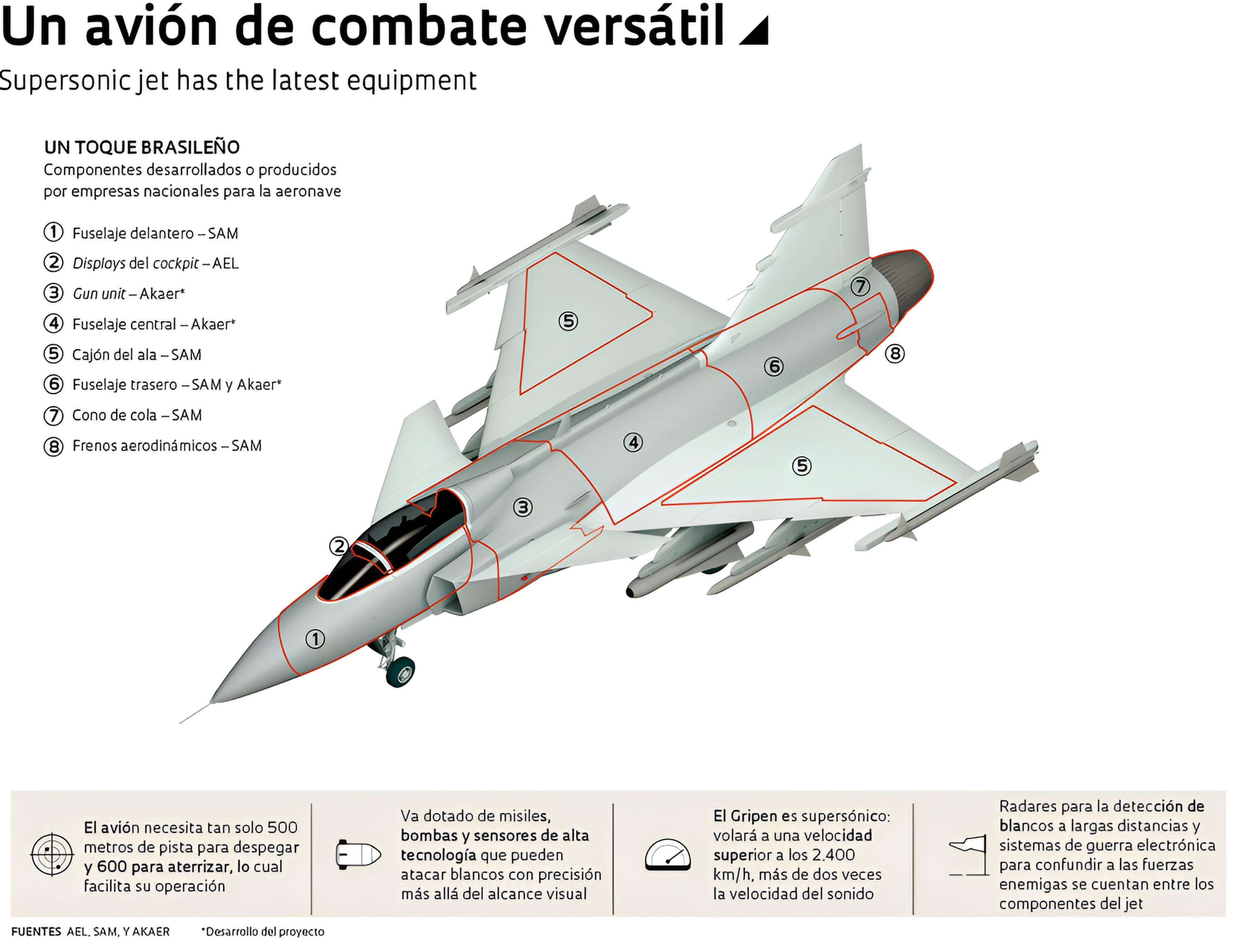
Este logro es fruto de un contrato estratégico firmado en 2014 con la firma sueca Saab, que incluyó un agresivo paquete de transferencia de tecnología. De las 36 unidades adquiridas, 15 serán ensambladas por Embraer, capacitando a ingenieros y técnicos brasileños en procesos industriales avanzados y sistemas críticos de defensa.
"Este proyecto permite consolidar nuestro poder de disuasión, incrementando nuestra capacidad para garantizar la soberanía nacional y la seguridad regional", declaró el ministro de Defensa brasileño, José Múcio. Las palabras de Lula en redes sociales reforzaron la idea: "Es un momento muy simbólico, demostrando un país que cree en sí mismo, invierte en tecnología y reafirma su soberanía".
Para Brasil, el Gripen no es solo un vector de defensa; es un símbolo de autonomía y poder estratégico en un contexto geopolítico convulso.
El espejo invertido: De la vanguardia al desguace
La postal brasileña genera una inevitable y amarga reflexión en Argentina. Si retrocedemos 70 u 80 años, la situación era inversamente proporcional. En las décadas de 1940 y 1950, cuando Brasil apenas iniciaba su camino industrial, Argentina ya era pionera mundial.
Bajo el impulso del brigadier Juan Ignacio San Martín y con el talento de ingenieros como Kurt Tank, la Fábrica Militar de Aviones (FMA) de Córdoba puso en vuelo joyas de la ingeniería aeronáutica como el Pulqui I y el Pulqui II, convirtiendo a Argentina en uno de los pocos países del mundo en fabricar aviones de reacción. También nacieron allí el Huanquero y el Pucará, este último, utilizado en el Conflicto del Atlántico Sur.
Sin embargo, tras décadas de desinversión sistemática, vaivenes políticos, intentos de privatización y una falta crónica de visión estratégica en Defensa, la hoy denominada Fábrica Argentina de Aviones "Brigadier San Martín" (FAdeA) se encuentra, según denuncian diversos sectores, en su etapa final de desguace y paralización productiva. Los proyectos apenas sobreviven y la capacidad de fabricar un avión de combate propio hoy parece una utopía lejana.
Lecciones de soberanía
El contraste es brutal. Brasil entendió que la defensa y la industria aeronáutica son pilares de la soberanía nacional y la proyección geopolítica. Embraer, hoy uno de los mayores fabricantes de aviones del mundo, creció al amparo de una política de Estado sostenida en el tiempo.
Argentina, poseedora del octavo territorio más grande del mundo y con una vasta Pampa Azul y sectores antárticos por custodiar —amenazados por la persistente usurpación británica en nuestras Islas Malvinas—, presenta una indefensión alarmante. Mientras el vecino país se dota de tecnología de punta y autonomía industrial para disuadir cualquier amenaza, Argentina parece resignarse a perder su capacidad productiva histórica, quedando a merced de decisiones externas.
El despegue del Gripen en Brasil debe ser leído en Argentina no con envidia, sino como un llamado de atención urgente. La soberanía no se declama; se construye con inversión, tecnología, industria nacional y una firme voluntad política de defender lo propio. La historia nos demuestra que pudimos hacerlo; el presente nos exige reaccionar antes de que el último rastro de nuestra gloria aeronáutica se convierta en chata
Tags
Otras noticias de Internacionales
Reino Unido invertirá u$s 86 millones para controlar el futuro energético argentino
Barcelona: Una vidriera donde se normaliza el robo británico en el mar argentino
El desgaste del imperio: solo el 9% de los jóvenes británicos considera "muy importante" retener las Malvinas