Autoridades venezolanas “realizaron una de las incautaciones de explosivos más grandes de la historia reciente de Venezuela en Maturín, ciudad del oriente del país”; así informó en las últimas horas el canal teleSURtv. “El pasado 9 de agosto, las fuerzas de seguridad venezolanas, bajo la coordinación del ministro de Relaciones Interiores, Justicia y Paz, Diosdado Cabello, descubrieron más de 54.000 cargas huecas, acompañadas de cordones detonantes y equipos para activación remota”, detalló la cadena de noticias.
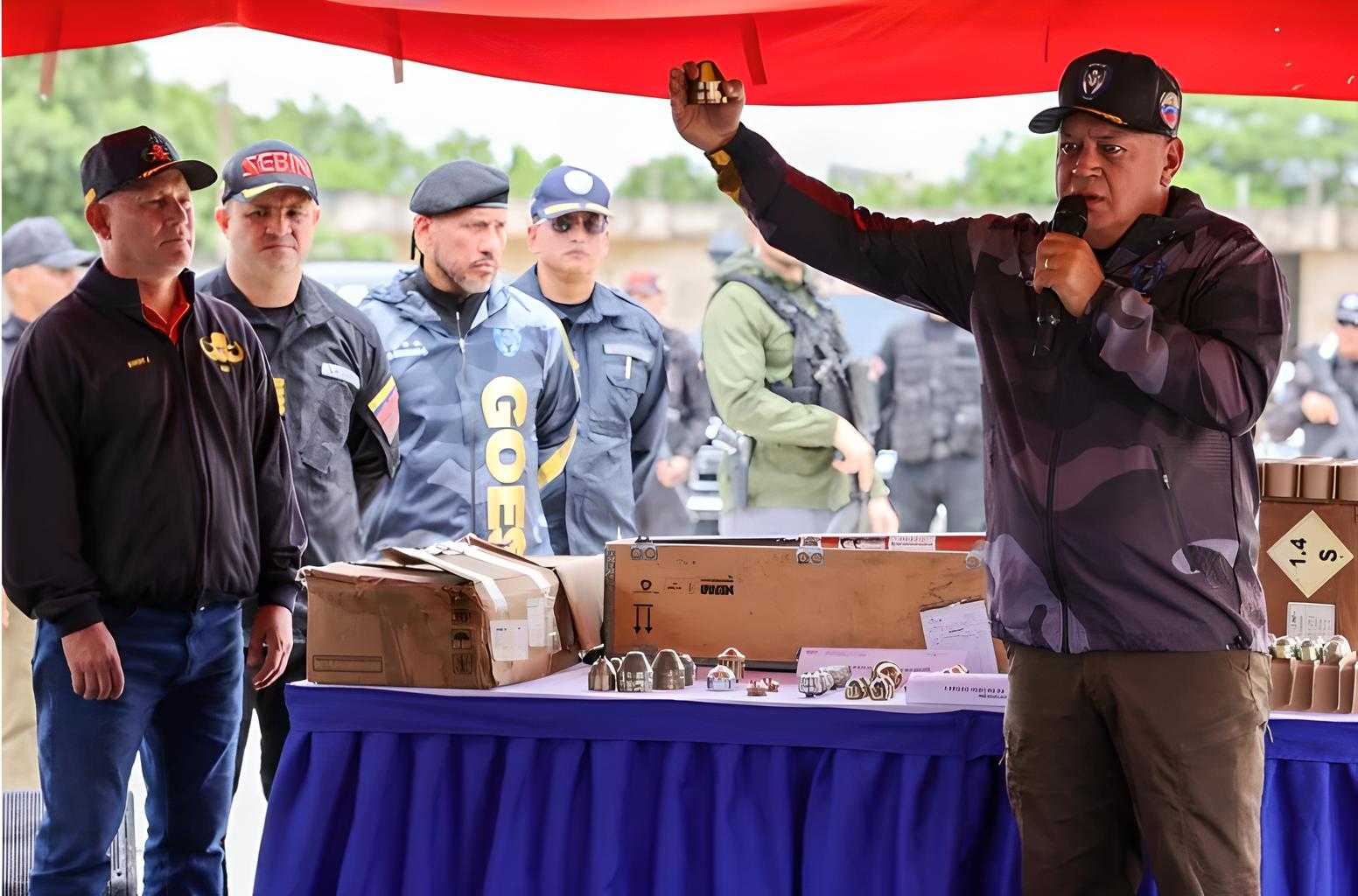
El material explosivo se encontraba embalado en 1137 cajas y lo que inicialmente parecía un contrabando de material para la industria petrolera rápidamente adquirió tintes de amenaza terrorista, ya que “las cargas, según evidencia técnica y documental recopilada por la plataforma investigativa La Tabla son idénticas a las utilizadas por el Estado Islámico (ISIS) en Siria entre 2014 y 2017”, señaló el portal HISPANTV.
El fabricante, según los logotipos visibles en los empaques, es Explosivos Tecnológicos Argentinos, S.A. (ETASA), una empresa argentina especializada en explosivos industriales para perforación de pozos petroleros. “Aunque ETASA afirma que sus productos están destinados exclusivamente a fines civiles, el hallazgo en Venezuela —al igual que el registrado en Siria— revela una alarmante vulnerabilidad: el doble uso de tecnologías industriales en conflictos armados”, indicó teleSURtv.
Las cargas incautadas pertenecen al modelo TCP HDX de 4 pulgadas, diseñadas para perforar pozos de petróleo. Sin embargo, este potencial también le permite perforar blindajes de vehículos militares. En Siria, el ISIS capturó cargas similares de yacimientos petroleros y las adaptó como ojivas antitanques en cohetes artesanales. En Venezuela, según demostró Diosdado Cabello en rueda de prensa, los detonadores incautados podían activarse mediante teléfonos móviles, una técnica común que se utiliza en ataques terroristas.
Según trascendió, el volumen de los explosivos decomisados es completamente desproporcionado para cualquier uso industrial en Venezuela. “Un estudio del geólogo argentino Ricardo Lupo indica que 54.000 unidades equivalen al consumo de cinco años en Vaca Muerta, uno de los yacimientos no convencionales más grandes del mundo”, destacó teleSURtv, que además informó que las autoridades venezolanas relacionan el hallazgo con dos operaciones desarticuladas recientemente y responsabilizaron a la opositora María Corina Machado y al gobierno de Estados Unidos de orquestar una “alianza criminal” con narcotraficantes y mafias europeas.
Vale la pena recordar que “en 2017, cargas de ETASA exportadas legalmente a una empresa petrolera siria fueron capturadas por el ISIS tras el colapso del Estado en zonas productoras. Lo mismo ocurrió en Libia y Yemen, donde materiales industriales fueron reconvertidos en armas asimétricas”, informó laiguanatv.
Hasta el momento el gobierno argentino no ha emitido una declaración oficial directa sobre este decomiso de semejante cantidad de explosivos. Esta ausencia de un comunicado no es un simple descuido, sino la consecuencia directa de una ruptura diplomática que el gobierno de Javier Milei produjo a pedido del gobierno de Donald Trump, lo que ha eliminado los canales de comunicación formales entre ambas naciones hermanas.
Tampoco hay comunicados públicos de la empresa ETASA que aborden la incautación de explosivos en Venezuela. No hay ninguna declaración oficial, comunicado de prensa, o mención por parte de la empresa sobre el tema. No obstante, la información de contacto en el sitio web de ETASA confirma la presencia de la empresa en Venezuela con números de contacto para las regiones "Occidente" y "Oriente", lo que corrobora la relación comercial de la empresa con dicho país.
Argentina, por su parte, mantiene que sus exportaciones cumplen con todos los protocolos internacionales. Sin embargo, no existe un sistema global de trazabilidad efectivo para materiales de doble uso, lo que facilita su desvío. Organismos como la ONU han advertido desde 2020 sobre el riesgo de que explosivos industriales alimenten conflictos no convencionales.
La situación nos retrotrae a julio de 2021, cuando el fiscal en lo penal económico, Claudio Navas Rial, imputó al expresidente Mauricio Macri, a la exministra de Seguridad Patricia Bullrich y al exministro de Defensa Oscar Aguad en la causa que investiga el envío de material represivo a Bolivia en noviembre de 2019, cuando se desarrollaba el golpe de Estado contra el gobierno legítimo y constitucional de Evo Morales.
Recordemos que, en aquella oportunidad; el material puesto a disposición de los golpistas bolivianos “habría consistido en, por lo menos 40.000 cartuchos AT 12/70; 18 gases lacrimógenos en spray MK-9; 5 gases lacrimógenos en spray MK-4; 50 granadas de gas CN; 10 granadas de gas CS y 52 granadas de gas HC”, informó el diario ámbito en su portal.
Fuentes:
Tags
Otras noticias de Internacionales
El escudo de las Americas: El Plan Continental de Trump para secuestrar y matar
EL SOMETIMIENTO DE LAS FUERZAS ARMADAS ARGENTINAS A LA AGENDA DE EEUU. VIOLA SU LEY DE DEFENSA
Trump, Milei y presidentes de la región sellaron una alianza militar