
Lo que comenzó en 2021 como una iniciativa empresarial rechazada de plano por los habitantes de las Islas Malvinas ha derivado en una crisis institucional y técnica para la administración colonial británica. La pretensión del consorcio Unity Marine —alianza entre la firma local Fortuna Ltd y la consultora danesa F-Land ApS— de instalar jaulas industriales para producir hasta 50.000 toneladas anuales de salmón del Atlántico en aguas costeras enfrenta ahora un reclamo categórico: la realización de un referéndum vinculante.
La exigencia, encabezada por la organización comunitaria Salmon Free Falklands (SFF) y replicada recientemente por el diario británico The Guardian, surge tras el colapso de la confianza pública en el proceso de consulta oficial, al revelarse que los estudios de impacto ambiental y económico presentados por el gobierno de ocupación se basan en datos no verificados suministrados por la propia corporación solicitante.
Una cronología de presiones y marcha atrás (2021–2026)
El conflicto actual no es un hecho aislado, sino el resultado de cinco años de insistencia corporativa y concesiones de las autoridades coloniales frente al rechazo comunitario:
Aparición del proyecto y rechazo inicial
Febrero de 2021
Unity Marine presenta la propuesta para introducir la cría intensiva de salmónidos en jaulas abiertas. Nace la oposición vecinal con la creación del grupo "Malvinas Libre de Salmón", alertando sobre el daño irreversible al ecosistema costero.
Rechazo del Consejo Ejecutivo
Año 2022
La administración colonial rechaza formalmente la acuicultura a gran escala ante la falta de capacidad técnica y la presión conservacionista.
Judicialización y acuerdo forzado
Mayo – Junio de 2024
Unity Marine interpone una revisión judicial. El gobierno británico acuerda anular el veto de 2022, pagar las costas legales de la empresa y someter el proyecto a un nuevo proceso de consulta pública.
Demoras y visitas contradictorias
Abril – Noviembre de 2025
Se aplazan los plazos de la consulta. La empresa organiza la visita del promotor John Goodlad, mientras ambientalistas locales viajan a las Islas Feroe para constatar el cierre de fiordos por contaminación y parásitos.
Petición de Referéndum
Agosto – Octubre de 2026
La consulta pública entra en su fase final en medio de denuncias técnicas por falta de datos primarios independientes, lo que impulsa el reclamo de una votación definitiva.
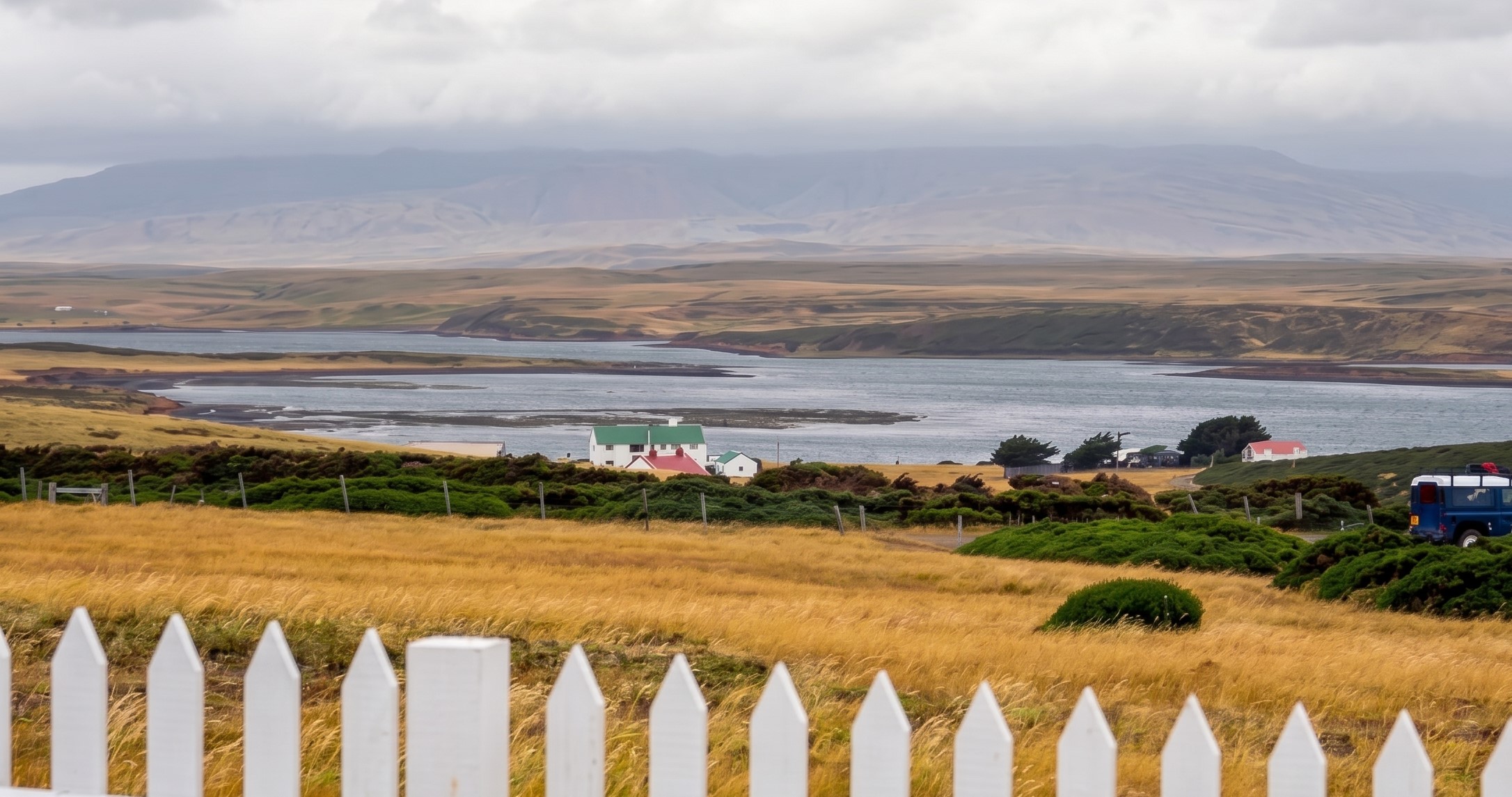
El Seno Choiseul, sobre la costa de Puerto Darwin, es uno de los lugares elegidos para desarrollar el proyecto.
Informes a medida y denuncias de manipulación técnica
El principal detonante del reclamo de referéndum radica en la falta de rigurosidad de los documentos oficiales presentados para la consulta. Especialistas internacionales y referentes locales expusieron inconsistencias metodológicas estructurales:
- Falta de datos primarios independientes: El Dr. Tom Appleby, jefe de asuntos legales de la Blue Marine Foundation, calificó de «extraordinario» que la administración colonial publicara análisis técnicos basados en información proporcionada exclusivamente por Unity Marine, cargados de cláusulas de exención de responsabilidad que los tornan «carentes de sentido».
- Capacidad de carga no evaluada: Louise Cherrie, consultora ambiental y exintegrante de la autoridad de protección ambiental de Tasmania, sostuvo que los informes resultan «prácticamente inútiles», dado que no se ha determinado con rigor científico cuánta biomasa puede soportar el medio marino ni se han presupuestado los costos de fiscalización estatal.
- Gestión de mortandades masivas: Los documentos oficiales omiten detallar cómo se respondería ante episodios de muerte masiva de peces por asfixia o floraciones algales, eventos frecuentes en los centros de cultivo de Chile y el hemisferio norte.
Los impactos evaluados en el ecosistema austral
|
Aspecto analizado |
Modelo propuesto (Unity Marine / MEP) |
Riesgos ecológicos y precedentes |
|
Escala de producción |
50.000 t/año iniciales (en 8 a 16 ubicaciones costeras) |
Saturación de nutrientes, heces y antibióticos; generación de «zonas muertas» anóxicas en el lecho marino. |
|
Infraestructura en tierra |
2 plantas RAS para alevines (Puerto Yegua y Puerto Nuevo) |
Demanda de agua dulce e interferencia en áreas protegidas adyacentes a bases y costas. |
|
Impacto en especies nativas |
Redes de separación contra leones marinos |
Dispersión de piojos de mar, uso de pesticidas que inhiben la formación de caparazón en crustáceos y riesgo directo a colonias de 5 especies de pingüinos. |
|
Riesgo biológico regional |
Especie exótica confinada en jaulas flotantes |
Fuga de salmones (depredadores superiores de nado libre de hasta 6.000 km) que impactarían las costas patagónicas argentinas. |
Tags
Otras noticias de Malvinas
Mientras permita que Uruguay abastezca a Malvinas, Argentina no tiene autoridad moral para impedírselo a Chile
Se acabó la “autodeterminación”: Gran Bretaña toma el control de las licencias petroleras en Malvinas
LOS KELPERS QUIEREN PROHIBIR EL INGRESO DE ARGENTINOS A MALVINAS


