
La premura económica de las corporaciones transnacionales ha pasado por encima de la propia burocracia colonial británica en las Islas Malvinas. Mientras los directivos de las ilegítimas licenciatarias Rockhopper Exploration PLC y Navitas Petroleum aceleran los plazos para la ejecución de sus presupuestos millonarios, la administración usurpadora acaba de confesar públicamente que el inicio de la explotación petrolera offshore, previsto para principios de 2027, se realizará en un escenario de absoluta precariedad legal y desregulación ambiental.
La revelación publicada por Mercopress; surgió durante una reunión pública con legisladores electos celebrada el pasado lunes primero de junio en el archipiélago, donde la población local interpeló por escrito a las autoridades coloniales respecto a las garantías ambientales del proyecto Sea Lion. La respuesta de los funcionarios británicos desnudó una preocupante parálisis administrativa.
Proyectos trabados y "situación no ideal"
La legisladora colonial Cheryl Roberts fue la encargada de abrir el paraguas ante los asistentes, al admitir formalmente que la futura legislación regulatoria en materia de seguridad y medio ambiente para las operaciones en el mar "permanece en etapa de proyecto, redactada pero falta de su aprobación". Roberts reconoció que el trámite parlamentario e institucional "tomará tiempo", un tiempo que los cronogramas financieros de las petroleras no están dispuestos a esperar.
La tensión en la asamblea aumentó cuando los vecinos cuestionaron por qué estas normas críticas no habían sido completadas con anterioridad, considerando que el desarrollo de la Cuenca Malvinas Norte lleva 16 años agenda. Ante esto, el Director de Recursos Naturales de la colonia, James Wilson, tuvo que poner la cara y admitir textualmente que “la situación no era la ideal”.
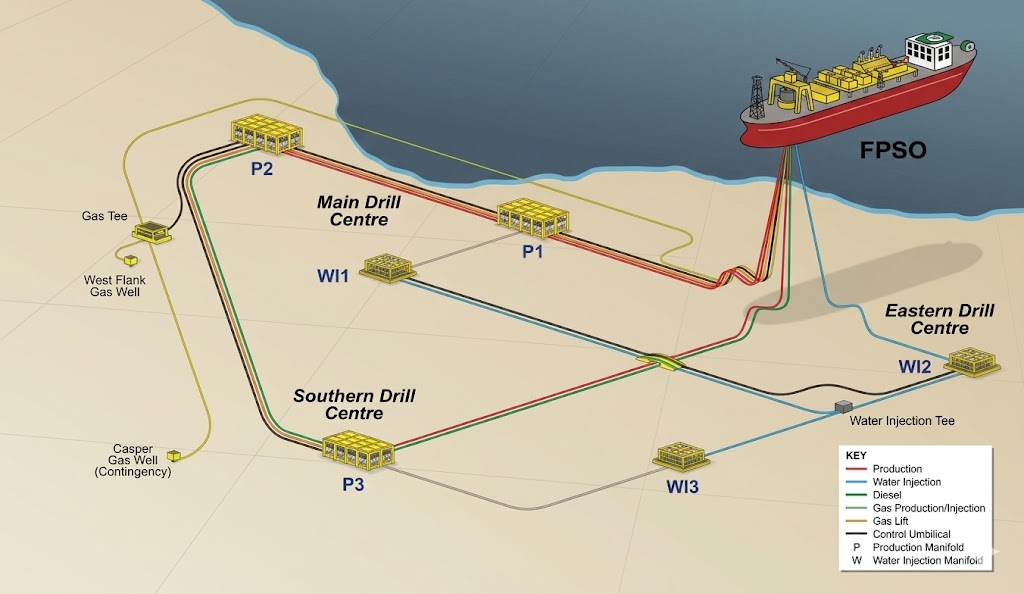
Wilson intentó justificar la desidia alegando que el proceso de elaboración y redacción técnica ha sido "extremadamente desafiante". Según explicó el funcionario colonial, la Oficina del Reino Unido que regula la industria offshore de gas y crudo en la metrópoli cuenta con una cartera de más de 150 regulaciones separadas, y la tarea de "adaptarlas a un sistema operativo y manejable en las islas resulta de una complejidad suma". Actualmente, el Ejecutivo isleño depende de la revisión de "expertos del exterior" para intentar confirmar si los borradores son viables, antes de que puedan ser siquiera elevados a la consideración del Consejo Ejecutivo.
Saqueo a los 90: El paraguas de una ordenanza obsoleta
Como los plazos apremian y el compromiso de los holdings y bancos de inversión que revelamos a través de Simply Wall St exige el inicio de las perforaciones para 2027, la colonia tomó una decisión drástica: avanzar a como dé lugar, sacrificando los estándares de seguridad ambiental del Atlántico Sur.
Las autoridades británicas confirmaron que toda la actividad petrolera offshore que se inicie a principios de 2027 será regida bajo los reglamentos establecidos en la Ordenanza de Minerales Offshore de 1994 y sus legislaciones subsiguientes. Esto significa que el monumental e ilegal proyecto extractivo de la historia de la región, que procesará un flujo estimado de 180.000 barriles de crudo diarios, operará bajo un marco regulatorio redactado hace 32 años, desactualizado frente a las tecnologías de perforación profunda actuales y ciego ante los protocolos modernos de contingencia ambiental y mitigación de desastres que rigen hoy a nivel global.
El silencio de la Cancillería y del gobierno fueguino
Esta alarmante desregulación ilegal en el enclave colonial, no solo expone los riesgos internos que preocupan a los propios habitantes implantados, sino que representa una amenaza directa de ecocidio sobre los recursos soberanos y el ecosistema marítimo de la República Argentina. Las corporaciones petroleras no solo actúan de manera clandestina al no poseer la autorización del Estado ribereño legítimo, sino que además lo harán bajo el paraguas de una normativa prehistórica.
En tanto el gobierno colonial británico debate en asambleas públicas cómo emparchar sus leyes para habilitar el negocio extractivo, la Cancillería argentina en Buenos Aires permanece en un mutismo absoluto. La parálisis operativa del gobierno de Javier Milei —atrapado en sus contradicciones ideológicas por su alineamiento explícito con las potencias financieras que sostienen a Rockhopper y Navitas—, deja el cuidado de la plataforma continental en manos de la desidia burocrática de los usurpadores. El mar argentino queda así doblemente desamparado: bajo el asedio de un consorcio ilegal y bajo el peligro latente de una normativa de 1994 que el propio colonialismo admite que no es la ideal.
Mientras que todo esto sucede, la gestión del gobernador fueguino Gustavo Melella; tampoco hace nada.
Tags
Otras noticias de Malvinas
La TV chilena muestra los destrozos que realizan los británicos en el cementerio de Darwin
“Déjennos robar en paz”: los okupas de Malvinas se ofenden porque Argentina les encarece los costos
Gran Bretaña recreó el desembarco del '82 para blindar el saqueo petrolero en Malvinas


