La adquisición de los cazabombarderos F-16 por parte de Argentina, aunque celebrada como un salto cualitativo en la capacidad de su Fuerza Aérea, no puede dejar de ser visto desde lo geopolítico. Particularmente en el contexto de la histórica disputa por la soberanía de las Islas Malvinas. El centro de ello está en si estos aviones realmente modifican el balance de poder, si tiene la capacidad de disuasión frente al Reino Unido, o no.
La Dependencia tecnológica
Los F-16 es un producto de fabricación estadounidense, y su transferencia a la Argentina desde Dinamarca, requirió primero; la aprobación explícita de Washington; en materia de regulaciones de control de armas.
La principal preocupación a su adquisición, es que su aprobación no se concedió sin que existieran garantías y acuerdos tácitos con Gran Bretaña y la OTAN.
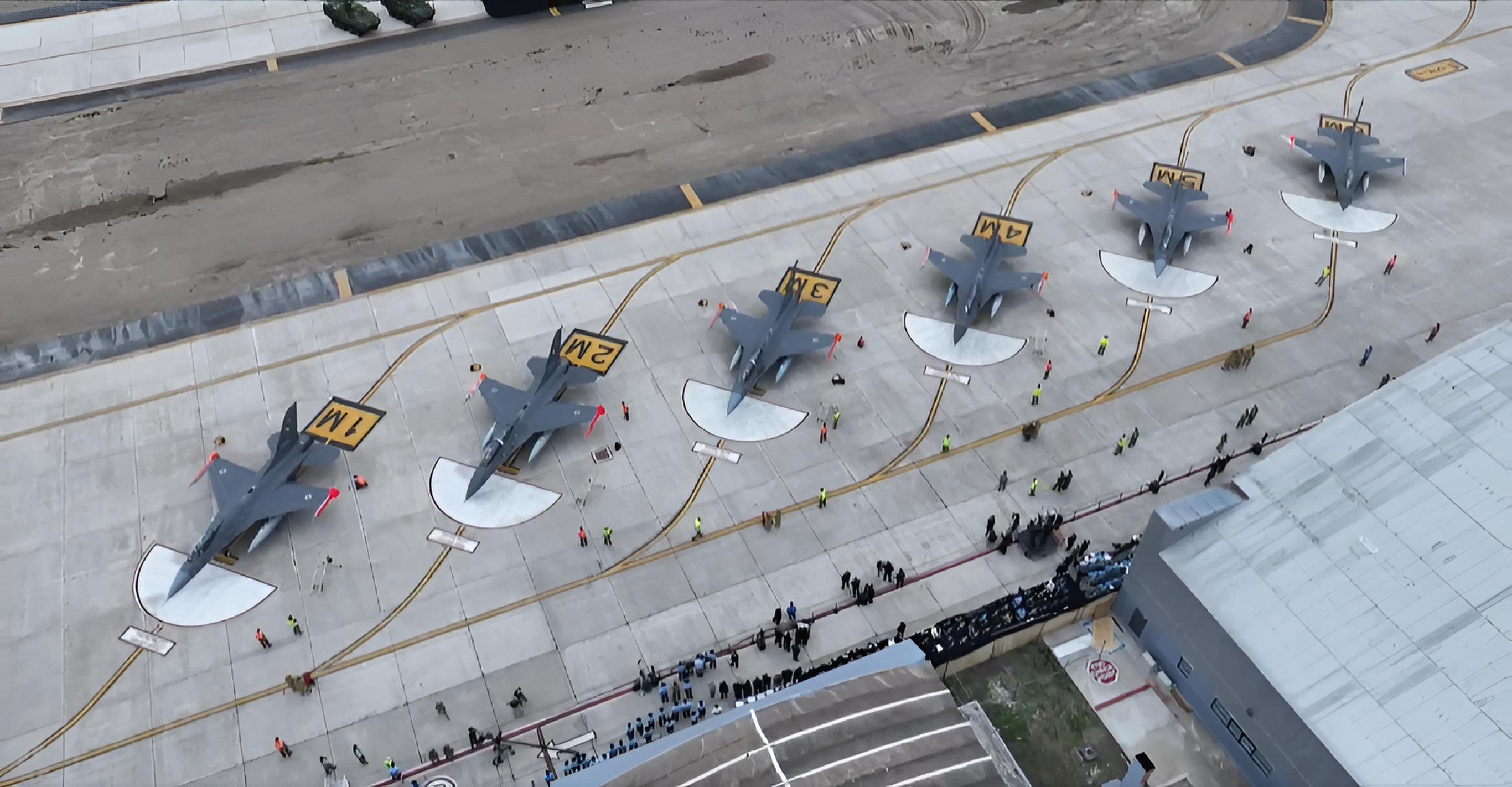
Londres gobierna de facto las Islas Malvinas y vastos espacios del Atlántico Sur, y ejerce su influencia sobre sus aliados (principalmente EEUU) como para imponer un veto tecnológico sobre Argentina.
Y aunque argentina ha demostrado que tiene capacidad para encontrarle la vuelta y darle más capacidad a su armamento bélico -como fue el caso de los misiles exocet franceses en la guerra de Malvinas-, y que estos aviones son técnicamente superiores a cualquier cosa que Argentina haya operado en décadas; su configuración final y el tipo de equipamiento balístico con el que viene provisto, no constituye una amenaza al arsenal que posee la base militar británica de Monte Agradable / Mount Pleasant.
Esto podría manifestarse en limitaciones de autonomía (poca capacidad de reabastecimiento en vuelo o alcance limitado), restricciones en el tipo de misiles de largo alcance o, directamente, el software que controla el sistema de armas (el corazón de la disuasión moderna).
La infraestructura de la disuasión
La capacidad militar no reside solo en la aeronave, sino en todo el ecosistema que la soporta.
En Malvinas los británicos mantienen una robusta capacidad aérea y naval, con aeronaves de intercepción y una infraestructura de radar de vanguardia. La disuasión argentina requeriría que los F-16 pudieran no solo llegar a las islas, sino también operar, ser reabastecidos y superar en combate a las defensas británicas.
Implicaciones a partir de la dependencia
La compra de los F-16 cimenta una relación de dependencia militar de Argentina hacia Estados Unidos y sus aliados occidentales. No en vano 25 países que lo han adoptado como arma central de su defensa aérea.
Al optar por armamento estadounidense, Argentina se alinea de forma más estrecha con el esquema de defensa occidental, lo que implica mayor interoperabilidad en ejercicios conjuntos y un acceso más fácil a futuras actualizaciones (siempre y cuando Washington lo autorice).
Esta dependencia, aumenta la vulnerabilidad a las presiones geopolíticas. En cualquier escalada futura en el Atlántico Sur, Argentina deberá supeditarse a la suspensión inmediata de soporte técnico, repuestos y municiones (embargo de armas), neutralizando por completo la flota de F-16.
De esta manera – y por varios años-, la capacidad estratégica disuasiva argentina en el marco de la controversia de Malvinas permanece en duda, socavada por las limitaciones impuestas por el proveedor y por la crónica debilidad financiera argentina. El avión es un gran paso, pero solo si se acompaña de autonomía estratégica y recursos suficientes.
El hecho positivo, es que las presentes y futuras generaciones de pilotos de la Fuerza Aérea Argentina, tendrán una aeronave que viene a restaurar la capacidad técnica de vuelo supersónico. Un escalón para la incorporación de otros cazabombarderos con mayor tecnología y que estén más allá de los vetos británicos.
Tags
Otras noticias de Atlántico Sur
Londres proyecta un cable submarino entre Uruguay y Malvinas con una empresa contratista de YPF
Con un tercio de sus bodegas cargadas, el petrolero británico dejó Tierra del Fuego y navega rumbo a Texas
La colonia británica suspende la temporada de pesca por la baja histórica del calamar