En simultáneo en que el Reino Unido va consolidando su enclave militar en las Islas Malvinas con un plan de inversión a largo plazo en su base de Monte Agradable, la respuesta de la Argentina, bajo el gobierno de Javier Milei, se limita a un ajuste presupuestario que paraliza las capacidades de defensa y desprotege a sus propias fuerzas armadas.
La publicación del medio Escenario Mundial expone la cruda asimetría entre la planificación colonial británica y la ausencia de una estrategia de soberanía efectiva por parte del Estado argentino, una situación que resulta totalmente inaceptable.
La noticia sobre el contrato de mantenimiento por unos u$s 250.000 para la flota de vehículos pesados en la base de Monte Agradable, es la prueba de una estrategia británica sostenida: la consolidación del dominio militar sobre el Atlántico Sur y el territorio usurpado. Un plan logístico que se complementa con la rotación de 1.200 efectivos permanentes y la ejecución de ejercicios militares que incluyen el despliegue de cazas Eurofighter Typhoon y aviones de transporte A400M Atlas.
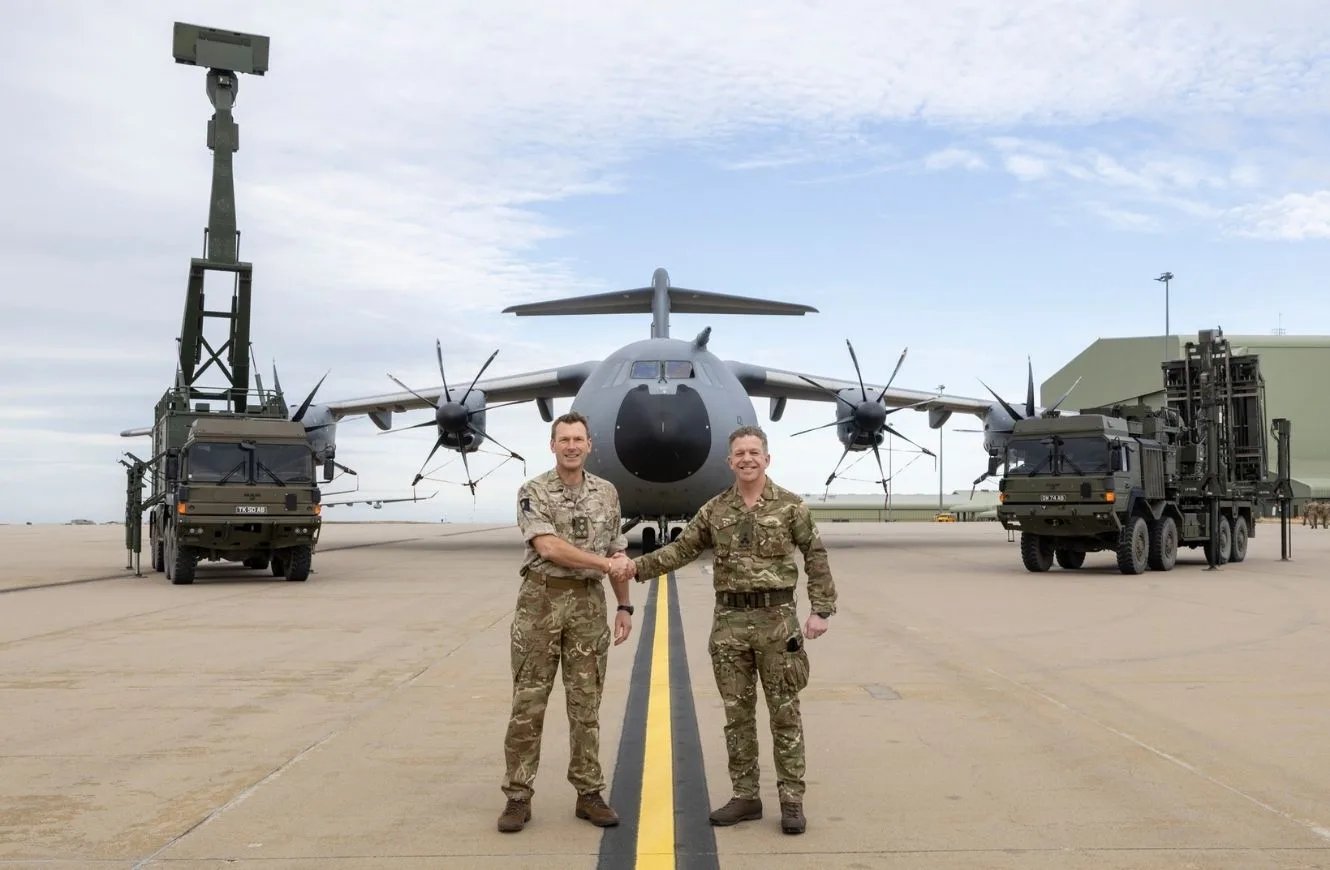
El mensaje de Londres es claro: la militarización de las Malvinas es un proyecto de Estado a largo plazo, reforzando la base gestionada por la OTAN como un punto nodal en la geopolítica austral. Este avance colonial contraviene directamente los llamados al diálogo de las Naciones Unidas y consolida un statu quo de fuerza sobre territorio argentino y fueguino.
Un presupuesto para pagar sueldos
En contraposición, el proyecto de Presupuesto 2026 presentado por el gobierno de Javier Milei para el área de Defensa, revela un desfinanciamiento que profundiza la vulnerabilidad estratégica de Argentina. A pesar de las promesas de campaña de inversión y fortalecimiento, los datos hablan por sí mismos
Bajo Presupuesto de Inversión: La partida presupuestaria para el año venidero se concentra en más del 95% en sueldos y gastos corrientes, con un aumento nominal mínimo para las Fuerzas Armadas (estimado en torno al 2,8% según algunas fuentes, apenas por encima de la inflación prevista), lo cual no permite una modernización real ni la adquisición de equipamiento crucial para la disuasión.
Base Naval Antártica Congelada: La continuidad de la obra de la Base Naval Integrada (BNI) y Polo Logístico Antártico en Ushuaia, un proyecto geoestratégico clave para la proyección argentina sobre la Antártida y el control del tránsito bioceánico, no contempla la concreción de las inversiones necesarias. Si bien el proyecto fue incluido con una autorización de crédito en el presupuesto de años anteriores (con un costo total de más de $300 millones de dólares), la falta de ejecución de fondos lo mantiene en un estado de virtual parálisis, frustrando la posibilidad de un contrapeso logístico y soberano en el Atlántico Sur.
Desprotección Social: La denunciada desfinanciación de la obra social de las Fuerzas Armadas (IOSFA) coloca a los hombres y mujeres del Ejército, la Armada y la Fuerza Aérea en una situación de absoluta precariedad y vulnerabilidad, agravando el éxodo masivo de personal experimentado registrado en los últimos años debido a los bajos salarios.
La disparidad entre la robusta estrategia de sostén logístico y militar del Reino Unido en Malvinas y la política de desinversión en defensa de Argentina es más que una diferencia presupuestaria; es la evidencia de la falta de prioridad estatal en la recuperación de la soberanía.
Mientras Gran Bretaña invierte en el mantenimiento de la usurpación, Argentina reduce a su mínima expresión las capacidades de sus propias fuerzas y desatiende el bienestar de su personal.
Tags
Otras noticias de Malvinas
La convocatoria laboral del gobierno colonial británico como estrategia diplomática en Malvinas
El consorcio Rockhopper-Navitas extraerá de Malvinas por día, unos u$s 20 millones en petróleo
Navitas contrató una segunda plataforma petrolera y puso fecha para la primera extracción en Malvinas